
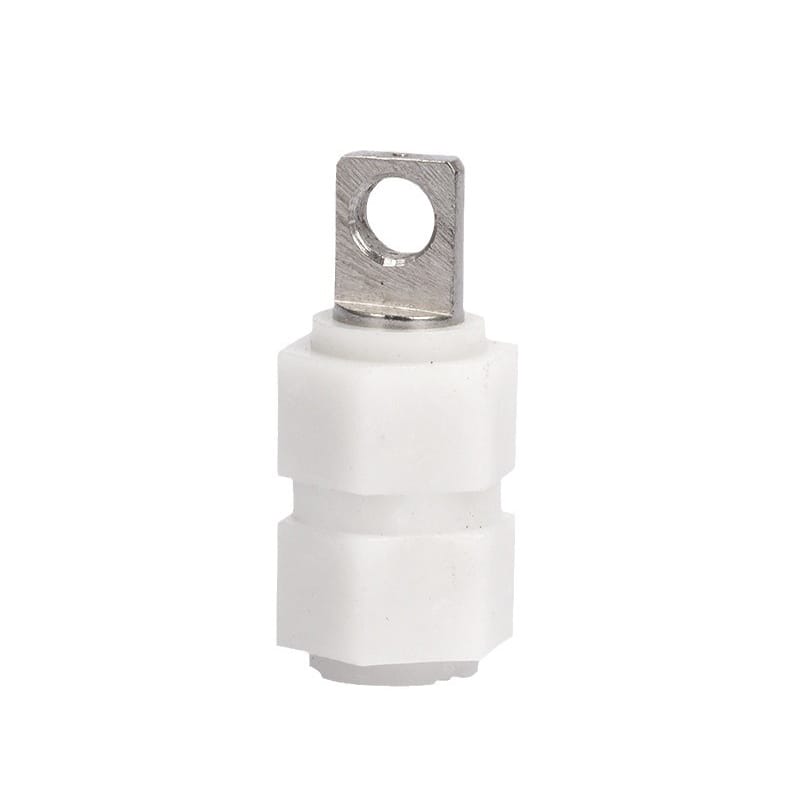
In industrial design, the difference between a “commodity product” and a “premium solution” often lies in the user’s tactile experience. For equipment such as medical monitors, heavy-duty industrial control panels, or specialized cabinetry, the way a lid or screen moves is paramount. This is where the Friction Hinge (also known as a position control or constant torque hinge) becomes a critical engineering component.
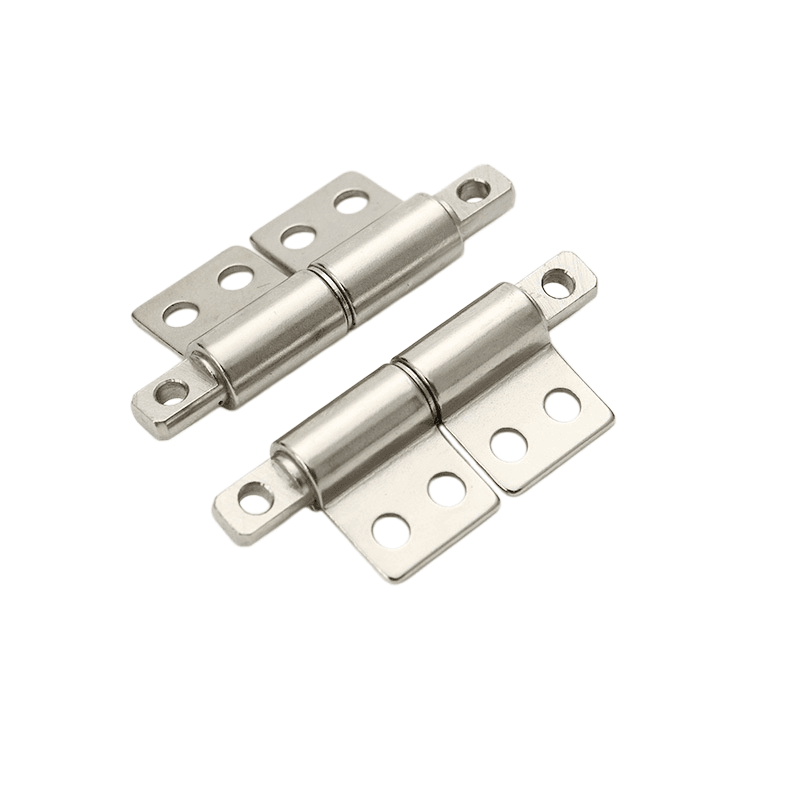
1. Understanding the Friction Hinge Mechanism: How Constant Torque Works
To a casual observer, a hinge simply connects two parts. To a mechanical engineer, a friction hinge is a precision energy-dissipation device.
Unlike a standard butt hinge that swings freely, the Friction Hinge Mechanism relies on internal interference fits. Most high-quality industrial hinges utilize a series of hardened steel clips or “friction discs” pressed against a center shaft.
The secret to a “Constant Friction Hinge” is the material science behind the lubricant and the spring tension. By using specialized synthetic greases and high-carbon spring steel, the hinge maintains a consistent resistance (torque) across its entire range of motion 0 to 180 or even 360. This ensures that the component stays exactly where the user leaves it—no “drift,” no “spring-back,” and no sudden drops that could lead to equipment damage or personal injury.
2. The Science of Selection: Using a Friction Hinge Calculator
One of the most common failures in B2B sourcing is underestimating the required torque. Choosing a hinge based on “feel” leads to field failures. Engineers must use a Friction Hinge Calculator approach to determine the exact requirements.
The Basic Torque Formula
When a lid or panel is in a horizontal position, it exerts maximum torque on the hinge. The calculation is:
T = W \L \times
- T(Torque): The required holding force (usually measured in Nm)
- W(Weight): The total weight of the moving panel.
- L (Distance): The distance from the pivot point to the center of gravity (CoG) of the panel.
- f (Safety Factor): A multiplier (typically 1.2 to 1.5) to account for friction loss and environmental wear over time.
For example, if you are designing a medical workstation with a 5kg monitor (50N) and the center of gravity is 0.2m from the hinge, your base torque is 10Nm. To ensure longevity, you should specify a hinge rated for at least 12Nm.
3. Advanced Design Integration (Friction Hinge Design)
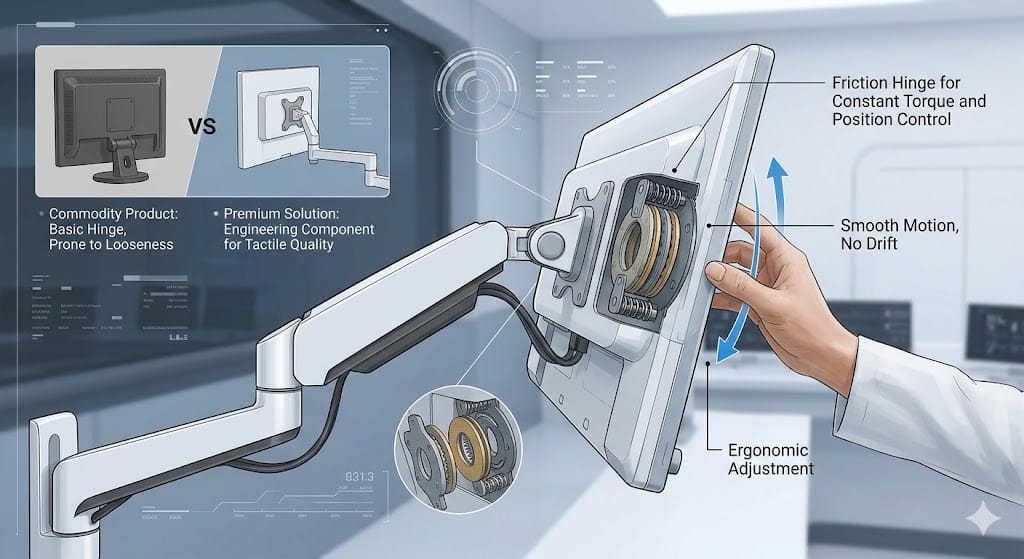
Professional Friction Hinge Design isn’t just about the pivot; it’s about integration. When we work with product engineers, we focus on three variables:
- Symmetry vs. Asymmetry: Do you need the same torque in both directions? In heavy lid applications (like a large industrial printer), “Asymmetric Torque” is often preferred—where the hinge has high friction when opening to hold the lid up, but lower friction when closing to make it easier for the operator to pull down.
- Cycle Life: A “cheap” hinge might lose 30% of its torque after 1,000 cycles. A professional-grade friction hinge should maintain within 10% of its original torque after 20,000 to 30,000 cycles.
- Material Compatibility: For outdoor or medical environments, 304 or 316 Stainless Steel is non-negotiable to prevent corrosion-induced friction changes.
4. Safety and Compliance: Egress and Restriction
In commercial and residential construction, as well as specialized vehicle design, the terms Egress Friction Hinge and Restricted Egress Friction Hinge are vital for safety compliance.
- The Egress Hinge: Designed to allow a window or panel to open to a full 90 and slide across the frame to create a clear exit path in case of emergency. For a procurement manager, ensuring these meet local fire codes (such as British Standards or UL ratings) is a top priority.
- The Restricted Hinge: Conversely, in hospitals or high-rise buildings, safety often requires limiting the opening angle. A restricted friction hinge provides a built-in “stop” or a high-resistance zone that prevents the panel from opening beyond a safe distance (e.g., 100mm), protecting occupants from falls while still allowing for ventilation.

5. Maintenance and Field Performance
One of the biggest concerns for an “Owner/Operator” (The Boss) is the cost of after-sales service. This is where Easy Clean Friction Hinges and proper Friction Hinge Fitting Instructions come into play.
Fitting and Adjustment
A common mistake is over-tightening the mounting screws, which can slightly deform the hinge housing and alter the internal friction. Our Friction Hinge Fitting Instructions emphasize:
- Parallel Alignment: Ensuring the two hinges are perfectly coaxial to prevent “binding.”
- Load Distribution: Balancing the torque across multiple hinges to prevent uneven wear.
- Friction Hinge Adjustment: While many constant-torque hinges are “factory-set” for life, some applications require on-site tuning. Using a calibrated torque wrench during installation is the difference between a product that feels “expensive” and one that feels “broken.”
6. Sourcing Intelligence: The Buyer’s Checklist
For a foreign trade specialist or a procurement manager, the goal is to minimize risk. When auditing a friction hinge manufacturer, look for:
- Torque Testing Reports: Do they have automated machines that plot torque vs. angle?
- Salt Spray Testing: Especially if your product is used in coastal or industrial areas.
- Consistency: Ask for the “Torque Tolerance.” A professional supplier should offer within 15% or better.
FAQ
How do environmental temperatures affect the Friction Hinge Mechanism?
Internal friction is heavily dependent on the rheology of the integrated lubricant. Standard hinges may stiffen in cold climates (increasing torque) or become “loose” in high-heat industrial server rooms. For high-stability applications, we utilize Synthetic Fluorinated Greases with a high viscosity index, ensuring that torque fluctuations remain within a 10% tolerance across a temperature range of -40 C to +150 C。
What is the difference between a standard hinge and an Egress Friction Hinge?
An Egress Friction Hinge is a specialized safety component designed for emergency exit requirements. While a standard hinge simply pivots, an egress version allows the sash to slide across the frame to maximize the clear opening area (often reaching a full $90^{\circ}$ geometry). This is mandatory for compliance with international building safety codes (e.g., BS 5588 or UL standards) to ensure rapid evacuation.
Can I adjust the friction level after installation (Friction Hinge Adjustment)?
This depends on the specific Friction Hinge Design.
- Factory-Preset Hinges: These are sealed for life to ensure maximum consistency and are non-adjustable to prevent tampering.
- Adjustable Friction Hinges: These feature an external tension nut. However, we recommend using a calibrated torque wrench during adjustment to ensure the load is balanced across multiple hinges, preventing premature wear on one side of the assembly.
What safety factors should be used in a Friction Hinge Calculator?
We strictly advise using a Safety Factor ($f$) of 1.2 to 1.5. This overhead accounts for:
- Dynamic Loads: Sudden movements or “over-pushing” by the operator.
- Environmental Degradation: Potential dust or humidity affecting the friction interface over 5-10 years of service.
- Component Tolerance: Variations in the weight of the mounted panel itself.
Conclusion
A friction hinge is a small component with a massive impact on product perception. By mastering the calculation, understanding the mechanism, and prioritizing safety features like egress control, you ensure your product stands out in a competitive global market.