
Rotary Damper Supplier
Soft Close, Smooth, Safe & Silent Rotation Control
Applications in Smart Home, Furniture, Medical, Electronics, Automotive & Appliances
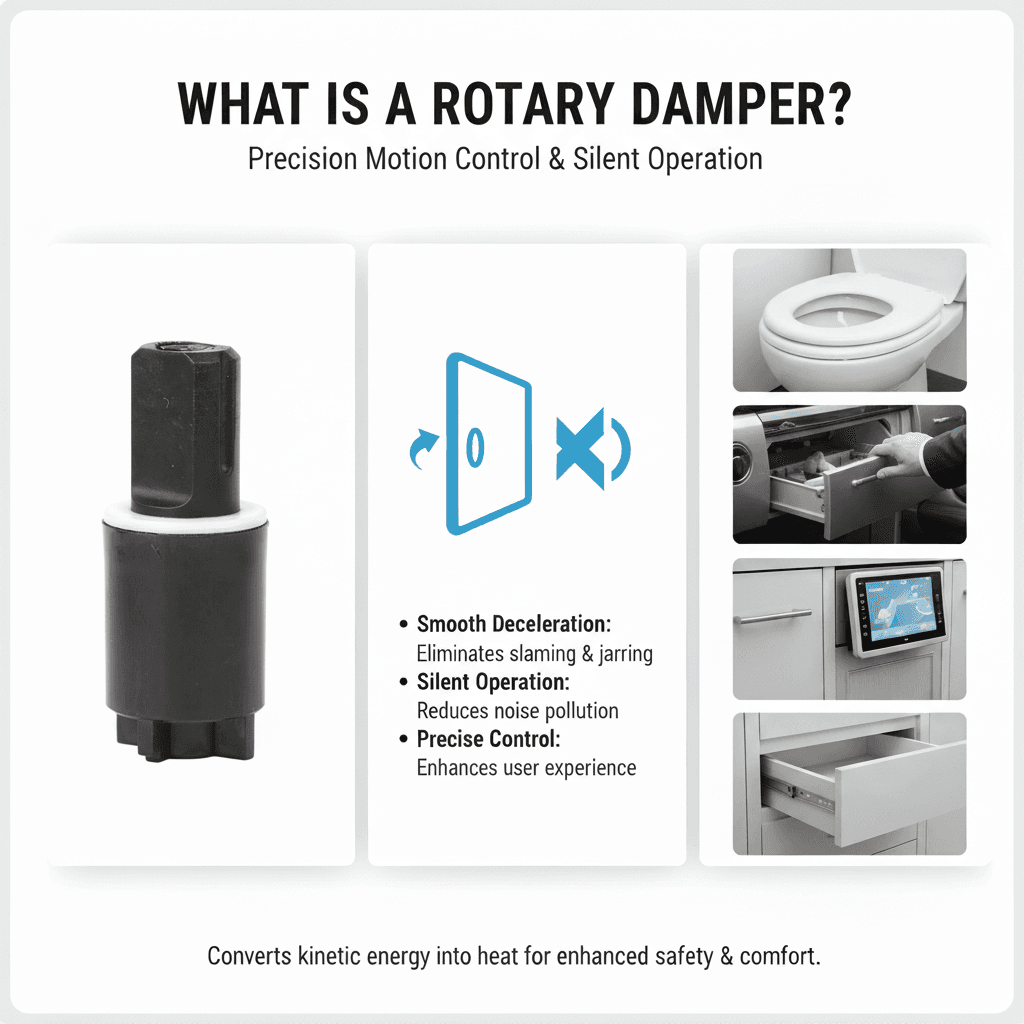
What is rotary damper
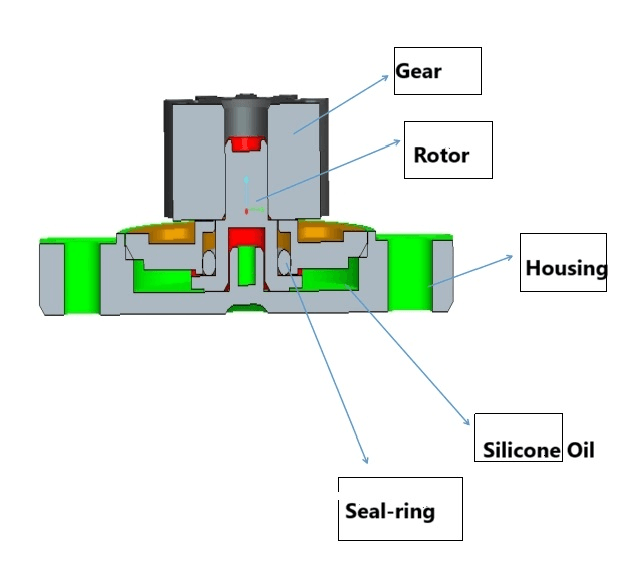
A rotary damper is a precision mechanical component that converts kinetic energy from mechanical motion into thermal energy through the viscous friction of high-viscosity silicone oil inside. This enables smooth deceleration, silent operation, and precise control of mechanical movements. Its mechanical principle follows the formula T=c⋅ω. By adjusting the silicone oil viscosity and internal clearance, it effectively eliminates impact and vibration, making the opening, closing, or movement of equipment smoother and more gentle. It is widely used in furniture, home appliances, automobiles, medical equipment, and other Industrial fields.
How a rotary damper works?
A rotary damper is a device that utilizes fluid resistance to dissipate energy and soft close rotational motion. By converting rotational kinetic energy into heat through the shear resistance or throttling resistance of its internal viscous fluid (such as silicone oil), it generates a stable damping torque to achieve deceleration, cushioning, and smooth control of rotational movement.
Its core working principle can be summarized as follows: the shear or flow resistance generated by the viscous fluid (usually silicone oil) between moving parts absorbs kinetic energy, thus providing buffering and vibration reduction.
| Parameter | Effect on Damping Performance |
| Silicone oil viscosity | Higher viscosity → Greater damping |
| Blade structure | Larger blade area → Greater resistance |
| Fluid channel design | Narrower channel → Stronger damping |
| Rotational speed (Angular velocity) | Faster rotation → Greater resistance |
| Check valve structure | Can be designed as a one-way damper |
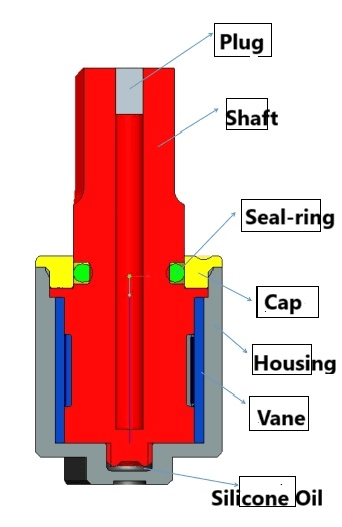
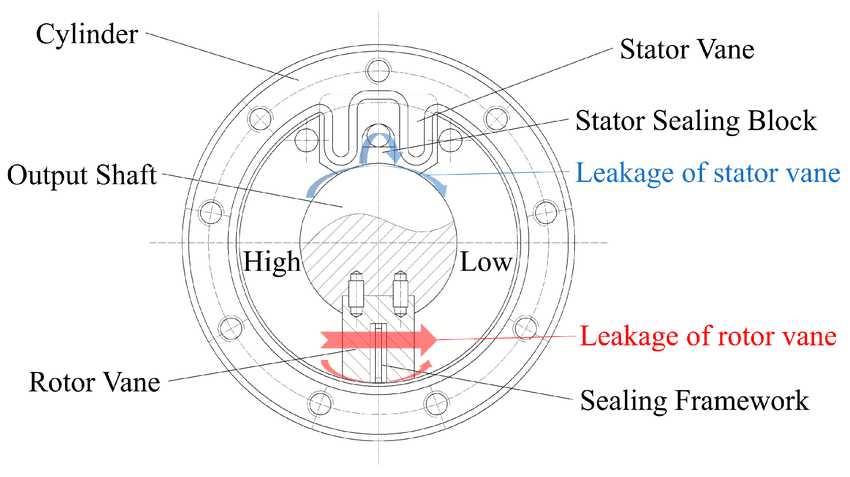
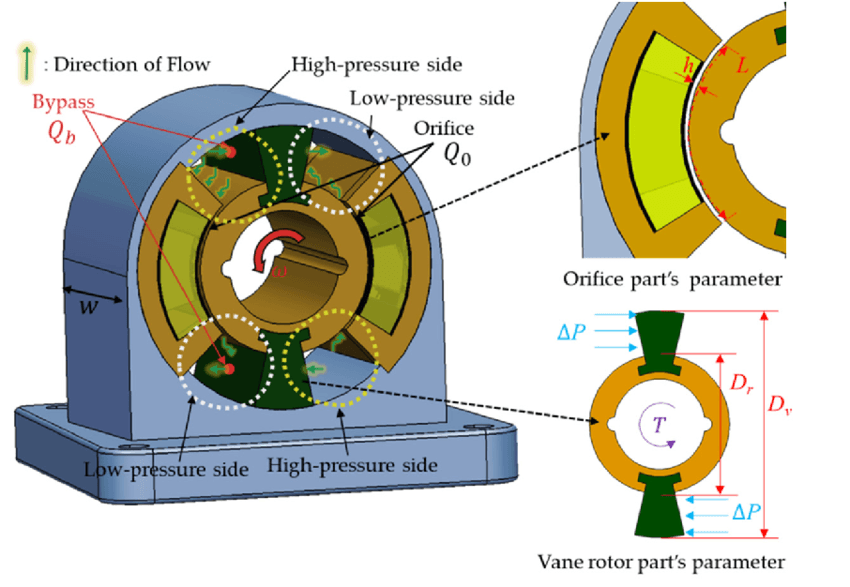
What are the applications of rotary dampers?
Rotary dampers with their smooth, quiet, and slow-closing characteristics, are widely used in everyday life where precise control of opening and closing speed is required. Their core purpose is to prevent impact, eliminate noise, and enhance the user experience.
- Bathroom Systems: Toilet Seats/Fasteners (Achieving Silent Soft Closure)
- Automotive Interiors: Armrest lids/storage boxes/glasses cases (enhanced tactile feel, impact protection).
- Smart Home: Automatic flip-top trash cans (smooth opening and closing).
- Furniture: Cabinet doors/drawers (protect furniture, prevent pinching).
- Electronic Devices: Laptop hinges (fix screen angle).
- Office Furniture: Office chair armrests (adjustable damping).
- Precision Mechanisms: Monitor stands (smooth control during height adjustment and rotation).
- Office Peripherals: Printer paper trays (automatic and slow return to center).
Soft-close toilet seat, slow-close seat ring. Cabinets: Mirror cabinet flip-top, drawers, storage boxes, tissue holders, trash can covers. Faucets: Aerator flip-top covers, switch levers, showerhead adjusters.
Printers / Scanners
Projectors / Cameras Stationery
Servers / Industrial PCs
Charger box
Wardrobes, TV stands, shoe cabinets, tatami lift-up doors, nightstand flip-top lids. Child seats, high chair trays, toy bins, crib rails, safety gates. Storage bins, makeup cases, jewelry boxes, shoe cabinet flip-tops.
Medical: Monitor flip-tops, analyzer compartment doors, hospital bed rails, infusion pumps, lancing devices, test kits.
Laboratory: Incubators, drying ovens, reagent cabinets, sampling equipment covers.
Refrigerators/Freezers, Washing Machines, Dishwashers, Ovens/Microwave Ovens, Rice Cookers/Air Fryers, Coffee Makers/Water Dispensers, Vacuum Cleaners, Robotic Vacuum Cleaners.
Interior: Glove box, center console box, storage compartment, eyeglass case, cup holder cover, ashtray, reading lamp cover, armrest slide cover, charging port cover. Seats, headrest adjustment, armrest return mechanism. Center Console / Sunroof, Charging port cover etc.
Damper Process
How to make a rotational damper?
To select an appropriate torque, the length and the weight or the centre of gravity of the flap have to be known.
What materials are used for rotary dampers?
Why JAN Material Selection Stands Out?
Material: PBT/PA66, PC, Zinc Alloy, Stainless steel
Features: Lightweight, high strength, temp-resistant
Applications: Home appliance, automotive, furniture
Material: POM, PA66, Zinc Alloy
Features: Self-lubricating, wear-resistant
Applications: Low/high torque scenarios
Material: Silicone Oil
Features: Stable viscosity, mute, long life
Applications: Universal standard
Material: NBR/EPDM
Features: Oil-resistant, temp-resistant
Applications: Ensure sealing & durability
Torque Calculation & Selection Guide
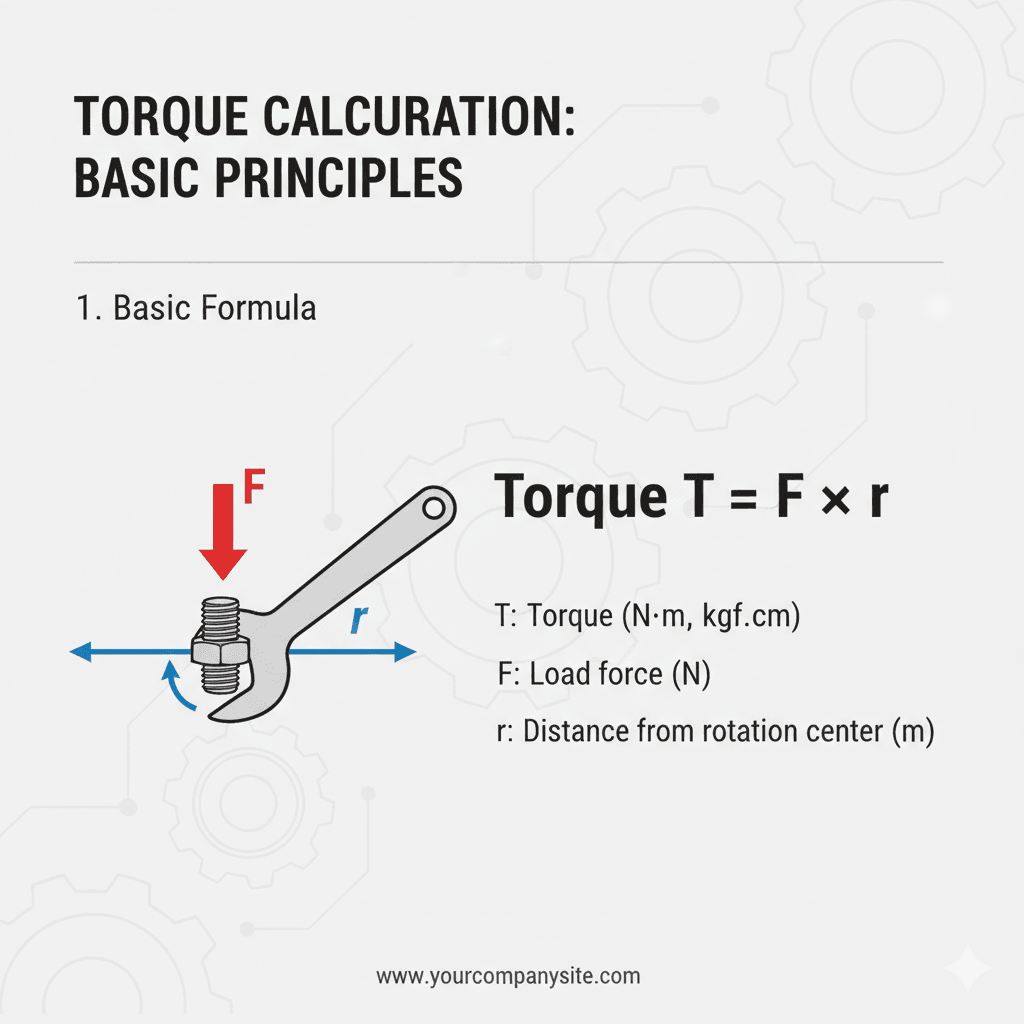
1. Basic Formula
- T: Torque (N·m, kgf·cm)
- F: Load force (N)
- r: Distance from rotation center (m)
2. Unit Conversion
- 1 N·m ≈ 10.2 kgf·cm
- 1 kgf·cm ≈ 0.098 N·m
3. Lid / Door Slow-Close Calculation
T = m × g × r
- m: Mass of lid / door (kg)
- g: Gravitational acceleration (9.8 m/s²)
- r: Distance from rotation center to gravity center (m)
4. Safety Factor
- Light load: 1.2 – 1.5
- Medium load: 1.5 – 2.0
- Heavy load: 2.0 – 3.0
Actual Torque = Calculated Torque × Safety Factor
5. Typical Torque Reference
- Toilet seat cover: 0.5 – 3 N.m
- Car glove box & armrest: 1 – 3 N.m
- Home appliance lid: 0.2 – 4 N.m
- Cabinet flap door: 0.5 – 5N.m
6. Product Performance
- Torque Range: 0.1 – 10N.m
- Operating Temp: -20℃ ~ +70℃
- Rotation Angle: 0°–110° / 0°–135° / 0°–180°
- Operating Life: ≥50,000 cycles
- Features: Smooth, mute, buffer, anti-pinch
How to install/remove a rotational damper?
Important Warnings
- No brute force or knocking — prevents silicone oil leakage.
- Keep away from sharp tools, high heat and corrosive chemicals.
- Do NOT disassemble damper privately — voids warranty, causes failure.
- Confirm rotation direction and torque before installation.
Installation Steps
- Prep Base: Clean mounting hole/slot, remove dust/burrs, confirm size matches damper body.
- Insert Damper: Push snap-in type into place until it clicks; align screw holes for fixed models.
- Lock in Place: Snap-in: auto-locked; Screw type: tighten gently (no over-tightening).
- Connect Shaft: Align damper shaft with lid/door, test rotation for smooth movement.
- Test Function: Open & close 2-3 times to check slow-close, no noise or rebound.
Removal Steps
- Release Pressure: Open lid/door fully to reduce springback risk.
- Unlock/Fasten: Loosen screws; press side buckle gently for snap-in models.
- Remove Damper: Pull out steadily — no twisting, prying or forceful pulling.
- Inspection: Check for oil leakage, damage; clean slot for reuse or replacement.
How to Choose the Right Rotary Damper
* Unidirectional Damper: Damps only in one direction (e.g., soft-close toilet seat, flip-top).
* Bidirectional Damper: Damps in both directions.
2. Confirm the Torque Value
Torque is a critical parameter.
* Insufficient Torque: Ineffective deceleration.
* Excessive Torque: Difficulty opening/closing the lid.
Choose based on the weight of the lid/door/drawer, lever arm length, and opening angle.
3. Check the Shaft Type and Structure
Common Shaft Types: D-type shaft, round shaft, gear shaft
Match the bore shape of the product.
4. Operating Angle and Stroke
Most dampers operate within an angle range of 30°–110°, with 180° and 360° also available.
Toilet Seat: 90°, Car Trunk: 60°–90°, Trash Can Lid: 45°–70°
5. Temperature and Environment
Standard: -20°C to 70°C
High-temperature resistant versions are available for automotive and home appliances.
Silicone oil performance varies with temperature—please select the appropriate grade.
6. Service Life Requirements
Normal: 20,000–50,000 cycles
High Life: Over 50,000 cycles for home appliances and automobiles.
7. Installation Space
Check: Diameter, Length
Installation Method: Clip-on/Screw-on/Slot-on
FAQ
What’s the difference between one-way and two-way dampers?
- One-way damper: Provides resistance in one direction, free rotation in the opposite.
- Two-way damper: Provides resistance in both directions
What is the service life?
Standard life: 20,000~50,000 cycles
High-life version: 100,000+ cycles.
Can you provide samples?
Yes. We support sample testing before mass orders.
How to choose the correct torque?
Torque must match the weight, size, and opening angle of your lid/door.
Too small → no slow close; too large → hard to open/close.
Will it leak oil?
Our dampers use precision sealing structure and high-quality silicone oil.
No oil leakage under normal installation and use.
What are the main applications?
Too many industries. Like toilet seat, car interior, furniture, home appliance, printer, office equipment, smart trash can, etc.
Can the torque be customized?
Yes. We can customize torque, rotation angle, shaft type, structure and installation according to your product.
What is the working temperature range?
-10℃ ~ 60℃
How to install the rotary damper?
Fix the damper body, align the D-shaft/axis, insert into the matching hole, ensure no deflection, then test slow closing.