
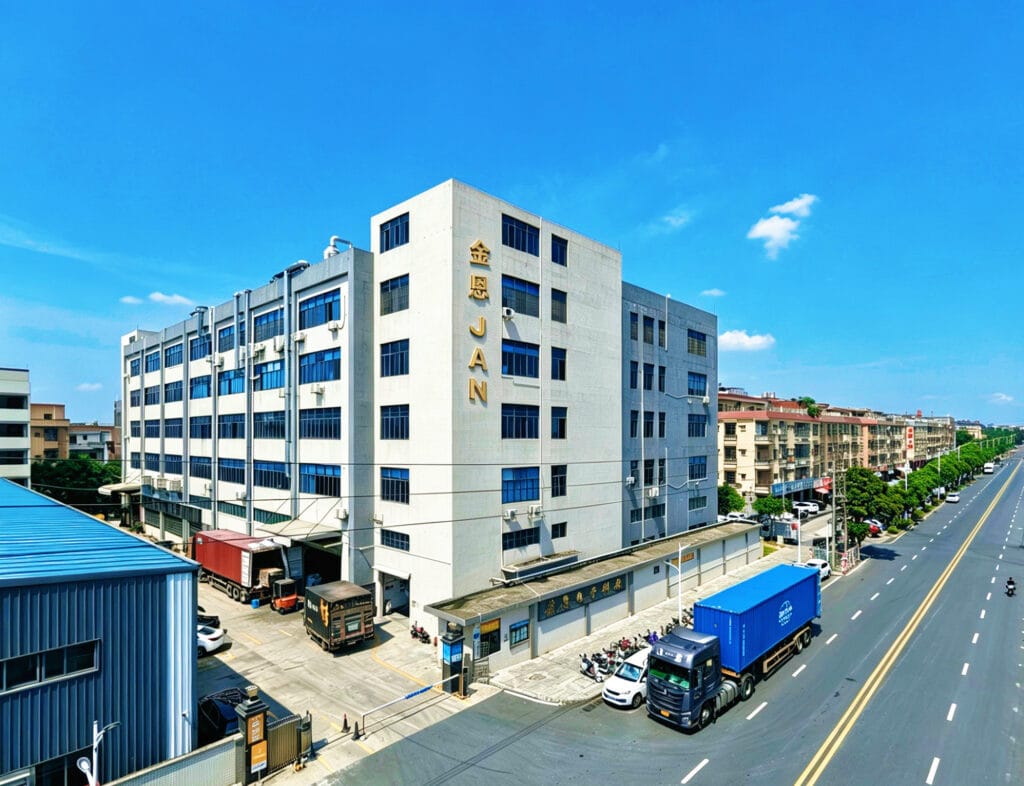
In the modern manufacturing landscape, the absence of noise is often the loudest indicator of quality. Whether it is the gentle descent of a high-end toilet seat, the controlled closure of a washing machine lid, or the silent shutting of a kitchen cabinet, consumers have come to expect a seamless, “soft close” experience. This expectation has driven a massive surge in demand for precision motion control components.
For procurement professionals and engineering teams, navigating the supply chain to meet this demand is a complex challenge. The market is saturated with options, but not all components are created equal. In this comprehensive guide, we will explore the strategic nuances of rotary damper wholesale sourcing, the critical role of a reliable damper hinge supplier, and what to look for when partnering with a soft close hinge manufacturer. Discuss more on Whatsapp.
1. The Engineering Behind the Silence: Understanding Rotary Dampers
Before diving into sourcing strategies, it is essential to understand the technology that makes the soft close experience possible. A rotary damper is a mechanical component that utilizes fluid resistance (typically highly viscous silicone oil) to control the speed and impact of a moving part.
How Fluid Dynamics Control Motion
Inside the damper housing, a rotor turns against the resistance of the silicone oil. The viscosity of the oil, combined with the internal geometry of the rotor and housing, determines the torque (resistance) generated. This fluid friction absorbs the kinetic energy of the closing lid or door, converting it into a negligible amount of heat and ensuring a smooth, controlled descent.

Heavy-duty rotary dampers utilize advanced fluid dynamics and robust internal geometries to manage significant kinetic energy, ensuring controlled motion even in demanding industrial applications.
The Importance of Silicone Oil Quality
The quality of the silicone oil is paramount. A premium rotary damper manufacturer will use high-grade silicone oil that maintains a stable viscosity across a wide temperature range. Inferior oils can thin out in hot environments (causing the lid to slam) or thicken in cold environments (causing the lid to stick). When evaluating a rotary damper supplier, always inquire about the temperature stability and lifecycle of their damping fluids.
2. Strategic Sourcing: The Case for Rotary Damper Wholesale
When an OEM (Original Equipment Manufacturer) requires tens or hundreds of thousands of dampers annually, purchasing through distributors or trading companies is financially inefficient. Engaging directly in rotary damper wholesale purchasing from a verified factory offers significant strategic advantages.
Eliminating the Middleman Markup
Trading companies and distributors typically add a margin of 20% to 40% to the factory price. While they may offer logistical convenience, they do not add engineering value to the component. By establishing a direct relationship with a rotary damper factory, procurement teams can reclaim this margin, significantly reducing the overall Bill of Materials (BOM) cost.
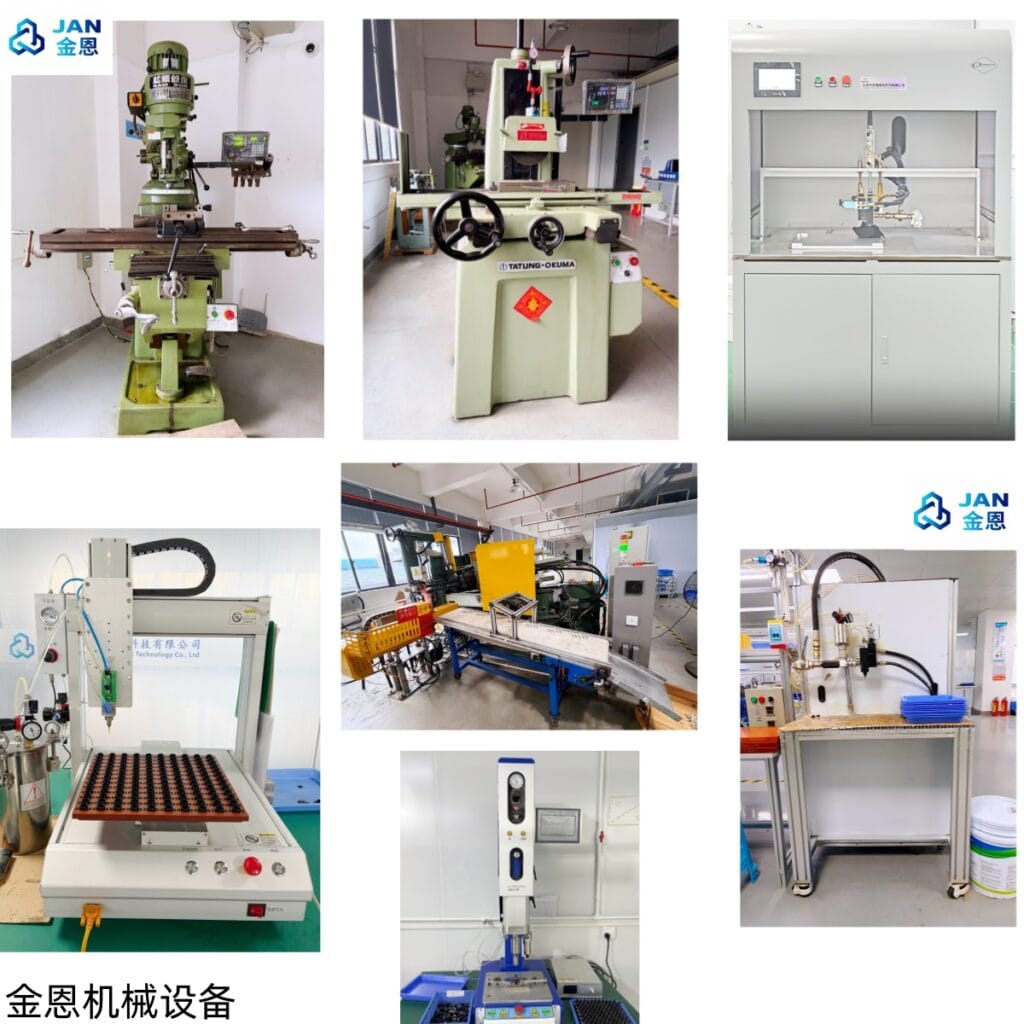
Direct wholesale sourcing from a verified rotary damper factory eliminates middleman markups and provides OEMs with direct access to engineering support and volume-based pricing.
Volume-Based Tiered Pricing and Scalability
A direct manufacturer controls its production schedule, raw material procurement, and tooling. This allows them to offer genuine volume-based tiered pricing. As your production scales, a true factory can optimize its injection molding cycles and automated assembly lines, passing those economies of scale directly back to you. Furthermore, a direct factory has the capacity to scale production rapidly to meet unexpected spikes in demand, ensuring your assembly lines never stall due to component shortages.
3. The Integration Challenge: Partnering with a Damper Hinge Supplier
In many applications, the damper is not a standalone component but is integrated directly into the hinge mechanism. This integration presents unique engineering and sourcing challenges, making the choice of a damper hinge supplier critical.
The Synergy of Hinge and Damper
A damper hinge combines the structural support of a traditional hinge with the motion control of a rotary damper. This integration saves space, simplifies assembly for the OEM, and often results in a cleaner, more aesthetically pleasing product design. However, it requires the supplier to possess expertise in both structural metallurgy and fluid dynamics.
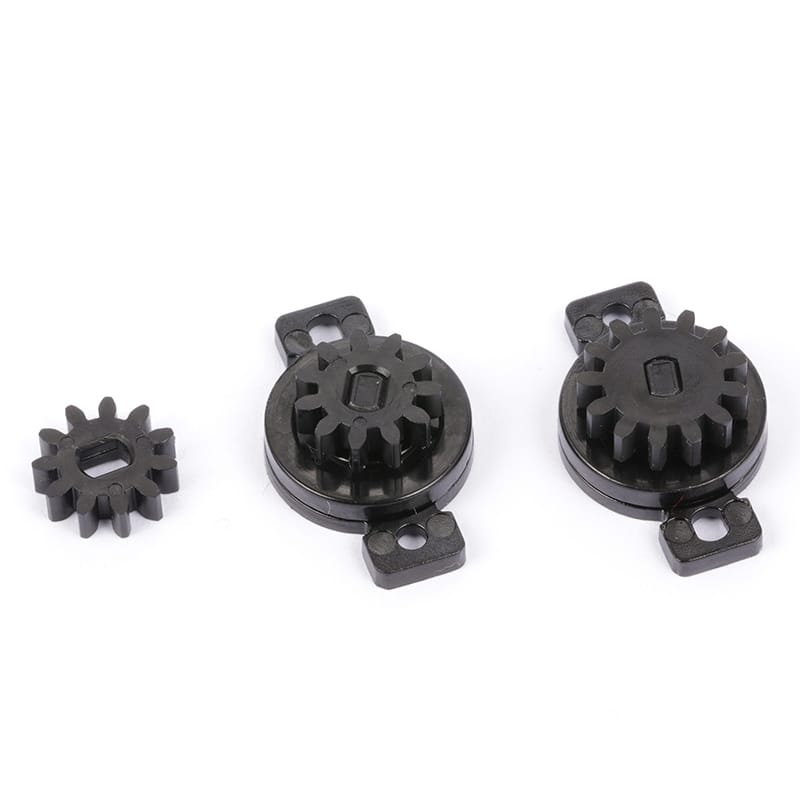
Integrated damper hinges combine structural support with fluid resistance, saving space and simplifying assembly for OEMs in the furniture and cabinetry industries.
Application-Specific Engineering
A reliable damper hinge supplier will not offer a “one-size-fits-all” solution. They will engineer the hinge specifically for the application. For example, a damper hinge for a heavy wooden cabinet door requires a different torque profile and structural integrity than a damper hinge for a lightweight plastic electronics cover. The supplier must be able to customize the spring tension, the damper torque, and the mounting geometry to perfectly match the OEM’s requirements.
4. Home Appliances and Beyond: The Role of the Soft Close Hinge Manufacturer
The demand for soft close technology has expanded far beyond high-end kitchen cabinets. Today, consumers expect this feature in everyday home appliances and fixtures. This expansion requires a soft close hinge manufacturer capable of producing highly specialized, durable components.
The Washing Machine Lid Challenge
Top-loading washing machines present a unique challenge. The lid is often heavy (especially if it incorporates glass), and the environment is highly humid and subject to significant vibration. A standard damper will quickly fail under these conditions.
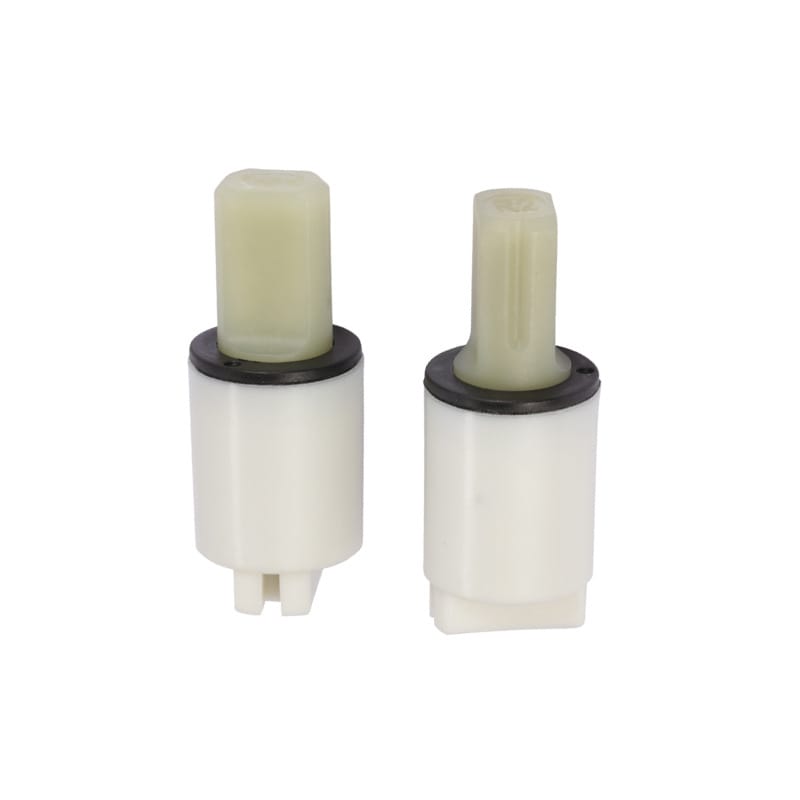
Washing machine lid dampers must be engineered to withstand high humidity, significant vibration, and the heavy weight of glass-inlaid lids, requiring specialized seals and robust housings.
A premium soft close hinge manufacturer engineers washing machine dampers with specialized double O-ring seals to prevent moisture ingress and oil leakage. They utilize high-strength plastics (like POM or PBT) for the housing to withstand the constant vibration of the spin cycle, ensuring the lid closes softly and safely for the lifespan of the appliance.
The Toilet Seat Evolution
The soft close toilet seat is perhaps the most universally recognized application of rotary damper technology. However, achieving the perfect drop profile is surprisingly complex. The seat and the cover have different weights and require different torque profiles.

Soft close toilet seats require precise torque calibration to ensure both the seat and the cover descend at a controlled, safe speed without slamming.
A sophisticated rotary damper manufacturer will design a dual-damper system (one for the seat, one for the cover) or a complex variable-torque damper that adjusts its resistance as the angle of the seat changes. This ensures a consistent, elegant closing motion, preventing the jarring “slam” that consumers despise.
5. Quality Assurance: Auditing Your Rotary Damper Supplier
When sourcing rotary damper wholesale, the cost of a component failure far exceeds the unit price of the damper itself. A leaking damper can ruin a piece of furniture, damage an appliance, and severely tarnish an OEM’s brand reputation. Therefore, rigorous auditing of your rotary damper supplier is non-negotiable.
100% Torque Inspection vs. AQL
Many lower-tier suppliers rely on Acceptable Quality Limit (AQL) sampling, where only a small percentage of a batch is tested. In motion control, this is insufficient. A premium rotary damper factory implements 100% torque inspection on the assembly line. Every single damper is tested on a digital torque meter to ensure it falls within the specified tolerance (typically ±15%) before it is shipped.
Environmental Stress Screening (ESS)
A reliable supplier will not just test for torque; they will test for durability under extreme conditions. When auditing a soft close hinge manufacturer, request their Environmental Stress Screening (ESS) reports. These should include:
•Thermal Shock Testing: Rapidly cycling the dampers between extreme hot and cold temperatures to ensure the seals do not fail and the oil viscosity remains stable.
•Lifecycle Testing: Automated rigs that open and close the damper 50,000 to 100,000 times to measure torque decay over time.
•Salt Spray Testing: For metal components, ensuring resistance to corrosion in humid environments.
6. The Hidden Costs of Poor Sourcing
When evaluating a rotary damper wholesale supplier, procurement teams often focus solely on the unit price. However, the true cost of a damper includes the cost of field failures, warranty claims, and brand damage.
The “Winter Freeze” and “Summer Slam”
A common issue with low-quality rotary dampers is their inability to handle temperature fluctuations. If a supplier uses cheap, low-viscosity oil, the damper will lose its resistance in hot environments (the “summer slam”). Conversely, if the oil is not properly formulated, it will thicken in cold environments, causing the lid to stick or close agonizingly slowly (the “winter freeze”). A premium rotary damper manufacturer mitigates this by using high-viscosity-index silicone oils that maintain stable performance from -20°C to +80°C.
The Cost of a Leaking Damper
Perhaps the most catastrophic failure mode for a rotary damper is an oil leak. If a damper leaks inside a washing machine or a high-end cabinet, it can cause significant secondary damage. Premium factories prevent this by utilizing advanced ultrasonic welding techniques to seal the plastic housing at a molecular level, and by incorporating double O-ring designs on the rotor shaft. When auditing a damper hinge supplier, always ask about their sealing technology and leak-testing protocols.
Frequently Asked Questions (FAQs)
1. What is the main advantage of buying rotary damper wholesale directly from a manufacturer?
Purchasing directly from a rotary damper factory eliminates the 20-40% markup typically charged by trading companies. It also provides direct access to the factory’s engineering team for custom torque calibration and ensures volume-based tiered pricing as your production scales.
2. How do I know if a damper hinge supplier is providing high-quality components?
A high-quality supplier will provide comprehensive testing data, including 100% torque inspection reports for every batch, 50,000+ cycle lifecycle testing results, and thermal shock test data to prove the stability of their silicone oil and seals.
3. Can a soft close hinge manufacturer customize the closing speed for my specific product?
Yes. A true OEM manufacturer can adjust the viscosity of the silicone oil, the internal geometry of the rotor, and the spring tension to create a custom torque profile that perfectly matches the weight and desired closing speed of your specific lid or door.
4. Why do some cheap rotary dampers leak oil after a few months?
Oil leakage is typically caused by inferior O-ring seals, poor ultrasonic welding of the plastic housing, or the use of low-grade plastics that crack under stress. Premium manufacturers use double O-ring designs and high-strength engineering plastics (like POM or PBT) to prevent leaks.
5. What is the difference between a standard rotary damper and a damper hinge?
A standard rotary damper only provides motion control (resistance) and must be paired with a separate structural hinge. A damper hinge integrates both the structural support and the fluid resistance mechanism into a single, space-saving component, simplifying assembly for the OEM.
Conclusion: Elevating Your Product with Premium Motion Control
In an era where consumer expectations for product quality are higher than ever, the tactile experience of a soft close mechanism is a powerful differentiator. Whether you are designing high-end cabinetry, durable home appliances, or sophisticated industrial equipment, the quality of your motion control components matters.
By bypassing trading companies and engaging in rotary damper wholesale sourcing directly with a verified rotary damper factory, OEMs can secure significant cost savings while gaining access to critical engineering support. Partnering with a reliable damper hinge supplier and soft close hinge manufacturer ensures that your products deliver the silent, smooth, and premium experience that your customers demand.
At Janhinge, we are a premier manufacturer dedicated to the precision engineering of rotary dampers and friction hinges. With our in-house automated assembly, 100% torque inspection protocols, and deep expertise in fluid dynamics, we are the trusted partner for OEMs worldwide.
Contact our engineering team today to discuss your custom motion control requirements and discover how our direct manufacturing capabilities can elevate your product design.