
Introduction
In healthcare, patient safety, precise operation, and unwavering reliability are paramount. Uncontrolled motion can cause discomfort, inefficiency, and safety hazards. Rotary dampers and friction hinges are indispensable for controlled movement, ensuring medical devices operate with precision and stability. This article explores their applications, benefits, and selection criteria in the medical sector, highlighting their contribution to patient safety, ergonomics, and equipment longevity. For medical device friction hinge suppliers and rotary damper manufacturers, understanding these requirements is key to meeting healthcare industry standards. Discuss more on Whatsapp.
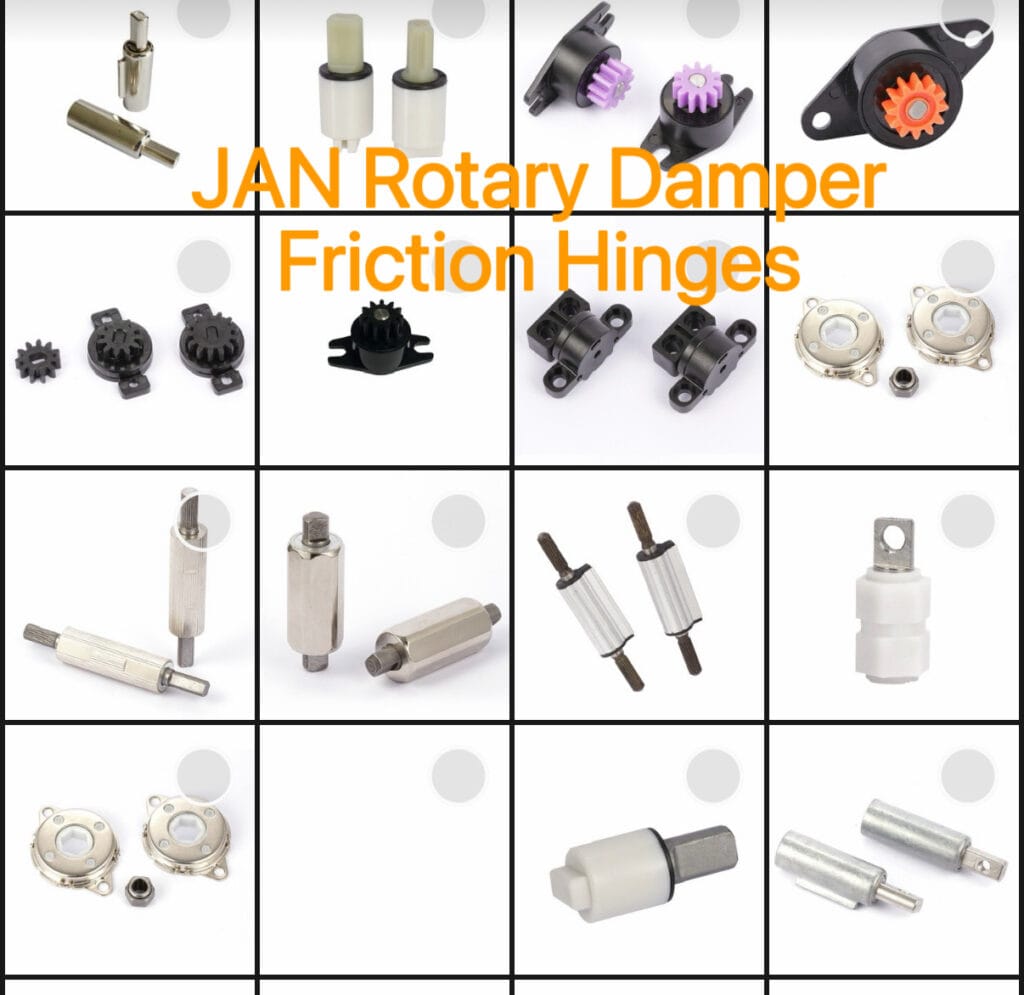
The Critical Need for Controlled Motion in Medical Devices
Medical devices require intuitive, comfortable, safe, and reliable operation. Precise control of mechanical movements—such as opening panels, adjusting supports, or positioning imaging components—is essential. Uncontrolled motions compromise patient care and user experience. This is critical for diverse medical equipment, including hospital beds, MRI/CT/X-ray machines, surgical lamps, rehabilitation tools, and lab instruments. Lack of proper motion control leads to:
•Patient Discomfort/Injury: Sudden drops or unexpected swings can harm patients.
•Equipment Damage: Uncontrolled impacts cause premature wear, increasing maintenance and reducing lifespan.
•Reduced Staff Ergonomics: Frequent adjustments become strenuous; smooth, stable positioning improves efficiency.
•Compromised Precision: Minor vibrations or drifts affect diagnostic/surgical accuracy.
Therefore, high-quality motion control is a fundamental design imperative for any healthcare equipment motion control solution.
Rotary Dampers in Medical Equipment: Enhancing Safety and User Experience
Rotary dampers absorb kinetic energy, providing smooth, controlled deceleration of rotational or linear motion. They convert kinetic energy into heat via a viscous fluid (silicone oil) and a rotor-stator mechanism. This controlled resistance prevents sudden impacts, reduces noise, and enhances device quality and safety..
In medicine, rotary damper applications are extensive and critical:
Hospital Beds and Patient Support Systems
Hospital beds are a primary application. Rotary dampers integrate into bed rails for gentle, quiet lowering, preventing patient injury and reducing noise. They also enable smooth, controlled adjustment of headrests and footrests for easier patient positioning.
Diagnostic Imaging Equipment
Diagnostic machines (MRI, CT, X-ray) require precise control for moving parts. Rotary dampers ensure smooth, controlled patient table movement for comfort and scan accuracy, preventing jerky motions. They also provide stable, precise rotation/articulation for imaging components.
Surgical Lamps and Medical Monitors
Surgical lamps and monitor arms need frequent adjustment. Rotary dampers provide drift-free, stable positioning, allowing staff to focus. They also enable effortless, low-force adjustments, improving ergonomics.
Fluid Dispensing and Laboratory Systems
In lab and pharmaceutical settings, precision is paramount. Dampers ensure precise, consistent liquid dispensing in analytical instruments and provide soft, controlled closure for heavy lab equipment panels, preventing damage and reducing noise.
Benefits of Rotary Dampers in Medical Equipment:
•Enhanced Patient Safety: By preventing sudden drops, uncontrolled swings, or abrupt movements, rotary dampers significantly reduce the risk of patient injury or discomfort, especially in sensitive applications like hospital beds or diagnostic tables.
•Improved User Experience: The smooth, controlled motion provided by dampers creates a perception of quality and sophistication, enhancing the overall experience for both patients and medical staff. This contributes to a more positive clinical environment.
•Extended Equipment Lifespan: By absorbing kinetic energy and mitigating impacts, dampers reduce mechanical stress and wear on other components, thereby extending the operational lifespan of expensive medical equipment and reducing maintenance costs.
•Reduced Noise: Quiet operation is crucial in healthcare settings. Rotary dampers eliminate jarring noises associated with uncontrolled movements, contributing to a calmer, more therapeutic environment conducive to patient recovery.
•Ergonomic Design: Dampers facilitate effortless and precise adjustment of equipment, reducing physical strain on healthcare professionals and improving their efficiency during patient care or procedures. This leads to better ergonomics and reduced risk of work-related injuries.
For a medical equipment rotary damper manufacturer, consistent, long-lasting performance in demanding environments is key.
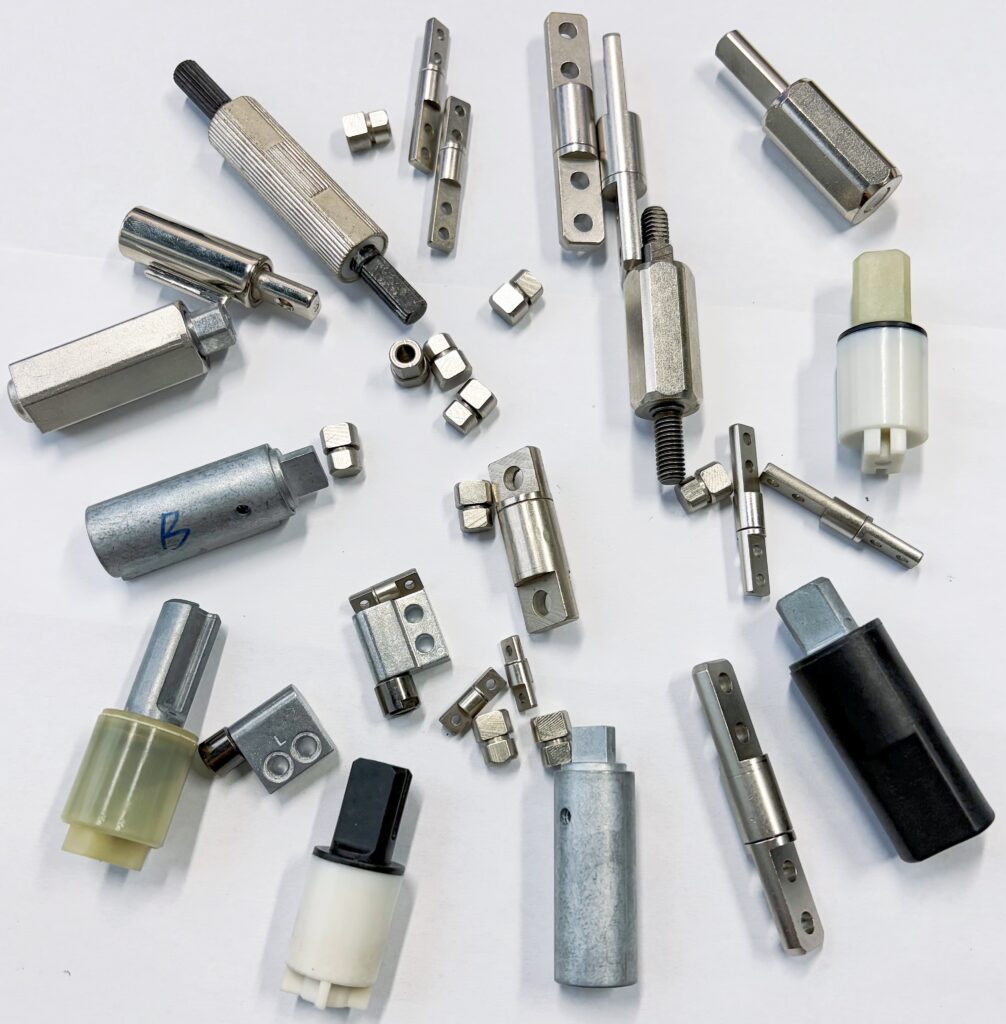
Friction Hinges in Medical Devices: Stability, Adjustability, and Durability
Friction hinges (constant torque hinges) provide consistent resistance, holding devices securely at any angle without locking mechanisms. This is vital in medical applications requiring precise positioning and stability.
Key Characteristics of Friction Hinges for Medical Use:
•Constant Torque: Maintains a consistent resistance throughout the entire range of motion, allowing for stable positioning at any angle.
•Durability: Designed to withstand frequent adjustments and sterilization processes without degradation of performance.
•Compact Design: Often engineered to fit into tight spaces, crucial for the sleek and functional design of modern medical devices.
•Corrosion Resistance: Materials are selected to resist corrosion from cleaning agents and bodily fluids.
Applications of Friction Hinges in Medical Equipment:
Medical Displays and Monitors
Medical displays need clear, stable positioning. Friction hinges are ideal for articulated arms, precisely positioning monitors for improved visibility and ergonomics, and for tablet/panel mounts, allowing tilting and rotation for optimal viewing.
Diagnostic Equipment Access Panels
Diagnostic machines with access panels benefit from friction hinges, which provide controlled opening/closing to prevent slamming and unexpected swinging, protecting equipment and users. They also enable hands-free operation, as panels stay open at any angle.
Rehabilitation and Assistive Devices
Friction hinges aid patient recovery and mobility in exoskeletons/orthotics by providing controlled joint resistance for adjustable support during therapy. In wheelchairs/walkers, they secure adjustable supports like armrests/footrests at desired positions.
Surgical Equipment
Surgical settings demand precision and reliability. Friction hinges position instrument trays at optimal angles for surgeons and nurses, and provide stable, fine-tuned positioning for surgical microscopes or endoscopic cameras.
For a medical device friction hinge supplier, customizing torque, size, and material for specific medical device requirements is a key differentiator.
Key Considerations for Selecting Rotary Dampers and Friction Hinges in Medical Applications
Selecting motion control components for medical equipment requires meticulous evaluation of performance, durability, and compliance with stringent industry standards.
1. Material Compatibility and Sterilization
Medical devices undergo rigorous sterilization processes, such as autoclaving, chemical disinfection, and gamma irradiation. Therefore, components must be manufactured from materials that can withstand these harsh procedures without degradation, loss of mechanical properties, or release of harmful substances. Common materials include high-grade stainless steel (e.g., 304, 316L), medical-grade engineering plastics (e.g., PEEK, PTFE), and specialized elastomers. The viscous fluid used in rotary dampers must also be carefully selected for its biocompatibility, chemical inertness, and stability across a wide range of operating temperatures and sterilization cycles.
2. Torque and Damping Characteristics
•Rotary Dampers: For rotary dampers, the damping force must be precisely calibrated to match the application’s specific weight, inertia, and desired movement speed. An over-damped system can make manual operation feel stiff and difficult, requiring excessive force from the user. Conversely, an under-damped system will result in uncontrolled, jerky movements or sudden drops, compromising safety and user experience. Achieving the optimal damping characteristic often involves iterative design and testing.
•Friction Hinges: For friction hinges, the constant torque must be carefully specified. It needs to be sufficient to securely hold the component at any desired angle, preventing drift or collapse, yet low enough to allow for effortless manual adjustment by healthcare professionals or patients. Precise torque calibration during manufacturing is critical to ensure consistent performance across all units and throughout the product’s lifespan.
3. Durability and Cycle Life
Given the continuous and often critical operation of medical equipment, components must exhibit exceptional longevity and reliability. Rotary dampers and friction hinges are subjected to rigorous cycle life testing, often requiring tens of thousands, hundreds of thousands, or even millions of cycles, to ensure consistent performance without significant degradation of torque or damping characteristics over the device’s entire lifespan. This robust durability minimizes maintenance needs and ensures uninterrupted patient care.
4. Size and Integration
With the trend towards miniaturization and more compact medical devices, motion control components must be designed to integrate seamlessly into increasingly tight spaces. This requires innovative engineering to maintain functionality and performance within smaller footprints, without compromising the device’s overall aesthetics or ergonomic design. The ability to offer bespoke solutions and customization from a specialized rotary damper manufacturer or friction hinge factory is therefore often essential to meet these evolving design challenges.
5. Noise Reduction
In patient care environments, minimizing noise is paramount to creating a calm and healing atmosphere. Rotary dampers and friction hinges must be designed to operate quietly, preventing audible clicks, squeaks, or thuds during movement. This contributes significantly to patient comfort and reduces auditory distractions for healthcare professionals.
6. Regulatory Compliance
All components integrated into medical devices must strictly comply with relevant international and regional medical device regulations, such as those from the U.S. Food and Drug Administration (FDA) and the CE marking requirements in Europe. This encompasses comprehensive material traceability, stringent manufacturing process controls, robust quality management systems (e.g., ISO 13485), and thorough documentation to ensure patient safety, device efficacy, and regulatory approval.
7. Customization and Engineering Support
Given the highly specialized and often unique requirements of medical devices, access to expert engineering support and extensive customization options from a reliable medical equipment rotary damper supplier or medical device friction hinge manufacturer is invaluable. This collaborative approach ensures that motion control components are perfectly tailored to the specific application, optimizing performance, integration, and compliance with all design parameters.
The Future of Motion Control in Medical Technology
Medical technology evolves rapidly, driven by robotics, miniaturization, and personalized medicine, demanding more sophisticated motion control. Future trends include:
•Smarter Dampers/Hinges: Integrating sensors for real-time feedback on position, force, and wear.
•Advanced Materials: Developing new materials with superior strength-to-weight, biocompatibility, and environmental resistance.
•Miniaturization: Smaller, more precise components for micro-surgical tools and implantable devices.
•Haptic Feedback: Motion control components providing tactile feedback for intuitive operation of complex instruments.
Janhine, as a leading healthcare equipment motion control provider, is committed to innovating bespoke solutions for these future challenges. Discuss more on Whatsapp.
Conclusion
Rotary dampers and friction hinges are critical enablers of safety, precision, and user experience in medical equipment. Their controlled, smooth, and stable motion directly impacts patient comfort, healthcare professional efficiency, and device reliability. For medical device manufacturers, partnering with an experienced rotary damper manufacturer or friction hinge factory understanding healthcare demands is a strategic imperative. Investing in high-quality motion control advances the medical industry, delivering safer, more effective, and user-friendly solutions for patient care.
Frequently Asked Questions (FAQs)
1. What is the primary function of a rotary damper in medical equipment?
A rotary damper’s primary function is to provide smooth, controlled deceleration of rotational or linear motion, preventing sudden impacts, reducing noise, and enhancing the safety and user experience of medical devices. This is crucial for components like hospital bed rails, diagnostic imaging tables, and surgical lamps.
2. How do friction hinges contribute to patient safety in medical devices?
Friction hinges enhance patient safety by allowing medical device components (e.g., monitor arms, access panels, rehabilitation device supports) to be positioned precisely and held securely at any desired angle. This prevents uncontrolled movements that could cause injury or discomfort to patients and ensures stability during critical procedures.
3. What materials are typically used for medical-grade rotary dampers and friction hinges?
Medical-grade rotary dampers and friction hinges are typically manufactured from materials that can withstand rigorous sterilization processes and resist corrosion. Common materials include stainless steel, medical-grade plastics, and specific elastomers. The viscous fluid in dampers is also selected for biocompatibility and stability.
4. Why is customization important when sourcing motion control components for medical applications?
Customization is crucial because medical devices often have unique design constraints and performance requirements. A reliable medical equipment rotary damper supplier or medical device friction hinge manufacturer can tailor torque, size, materials, and damping characteristics to perfectly match the specific needs of an application, ensuring optimal functionality and compliance.
5. What are the key regulatory considerations for motion control components in medical devices?
All components used in medical devices, including rotary dampers and friction hinges, must comply with relevant medical device regulations such as those from the FDA (U.S.) and CE marking (Europe). This involves strict adherence to material traceability, manufacturing process controls, and quality management systems to ensure patient safety and device efficacy. Discuss more on Whatsapp.