
Introduction
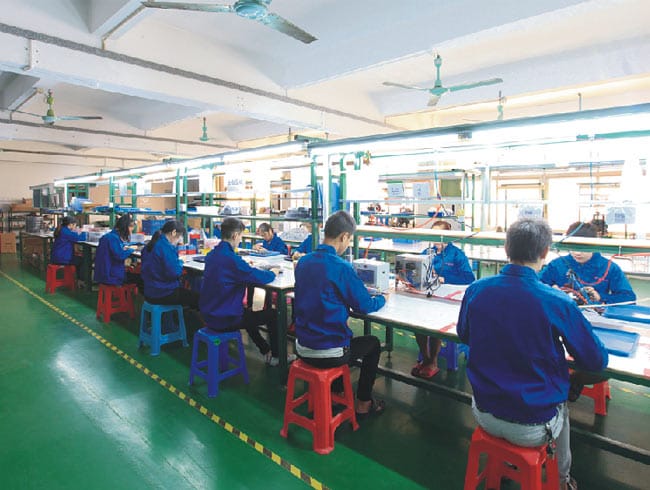
In industrial automation and heavy machinery, precision, safety, and durability are fundamental. Industry 4.0 demands efficient automated systems and robust machinery, relying on controlled mechanical movement. Uncontrolled motion can cause equipment failure, worker injury, and downtime. This highlights the indispensable role of rotary dampers and friction hinges.
These components ensure deliberate, safe, and repeatable movements in robotic arms, industrial control panels, heavy-duty access doors, and safety guards, even in demanding environments. This article explores their applications, benefits, and selection criteria in the industrial sector. For industrial friction hinge manufacturers and heavy duty rotary damper suppliers, understanding these requirements is key to meeting modern industrial standards.
The Imperative for Controlled Motion in Industrial Environments
Industrial machinery operates under extreme conditions: high loads, repetitive cycles, and harsh elements. Mechanical movements—like machine guards, robotic grippers, or heavy lids—must be reliable and controlled. Abrupt movements, uncontrolled drops, or excessive vibrations have severe consequences:
•Worker Safety Hazards: Uncontrolled heavy parts or machine guards can cause severe injuries.
•Equipment Damage and Downtime: Impacts and uncontrolled movements accelerate wear, leading to breakdowns, increased maintenance, and costly downtime.
•Reduced Production Efficiency: Inconsistent movements compromise precision, causing defects and rework.
•Noise Pollution: Uncontrolled movements generate significant noise, creating uncomfortable and hazardous environments.
Integrating high-quality motion control is a fundamental design imperative for any automation equipment motion control solution, directly impacting safety, efficiency, and asset longevity. Discuss more on Whatsapp.
Rotary Dampers in Industrial Automation: Enhancing Safety and Operational Efficiency
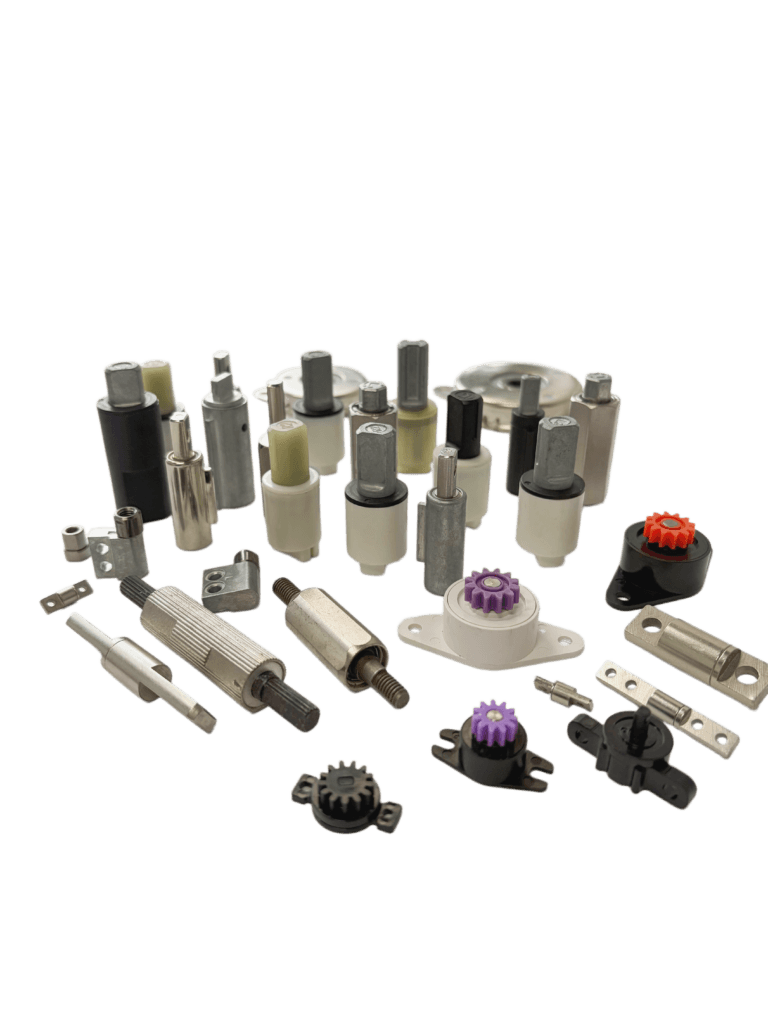
Rotary dampers absorb kinetic energy, providing smooth, controlled deceleration of rotational or linear motion. They convert kinetic energy into heat via a viscous fluid (silicone oil) and a rotor-stator mechanism. This controlled resistance prevents sudden impacts, reduces noise, and enhances industrial equipment safety and operational efficiency.
In industrial automation and heavy machinery, rotary damper applications are diverse and critical:
Machine Guards and Access Panels
Safety is paramount. Rotary dampers integrate into heavy machine guards, ensuring gentle, quiet closure to prevent damage or injury, and controlled opening. They also provide smooth, controlled movement for access panels on automated systems, enhancing safety and ease of use during maintenance or material loading.
Industrial Control Panels and Enclosures
Control panels protect sensitive electronics. Rotary dampers ensure controlled door closure, preventing slamming and damage. They also provide ergonomic access, allowing operators to open and close panels with minimal effort, improving user experience and reducing hinge wear.
Robotic Arms and End Effectors
Dampers can be used in secondary movements of robotic arms:
•Tool Changers: Ensuring smooth, controlled engagement and disengagement of tools, protecting delicate components.
•Gripper Mechanisms: Providing controlled closing or opening of grippers to handle sensitive materials without impact.
Material Handling Equipment
In material handling, dampers contribute to smoother operations:
•Conveyor System Components: Controlling gate/diverter movement to prevent abrupt material flow changes.
•Lifting Mechanisms: Providing controlled descent for lighter loads or assisting counterbalanced systems.
Benefits of Rotary Dampers in Industrial Equipment:
•Enhanced Worker Safety: Prevents sudden movements and impacts of heavy components.
•Extended Equipment Lifespan: Reduces mechanical stress and wear, minimizing maintenance and replacement costs.
•Improved Operational Efficiency: Smooth, controlled movements lead to more precise and repeatable processes.
•Reduced Noise Pollution: Contributes to a quieter and more comfortable working environment.
•Ergonomic Design: Facilitates easier and safer interaction with machinery for operators.
For a heavy duty rotary damper supplier, high torque capacity, robust construction, and consistent performance in harsh industrial environments are crucial.
Friction Hinges in Heavy Machinery: Stability, Durability, and Versatility
Friction hinges (constant torque hinges) provide consistent resistance, holding components securely at any desired angle without additional locking mechanisms. This is crucial in industrial applications requiring precise positioning, stability, and hands-free operation.
Key Characteristics of Friction Hinges for Industrial Use:
•Constant Torque: Consistent resistance for stable positioning at any angle, even under vibration or dynamic loads.
•High Durability: Engineered for continuous operation, heavy loads, and exposure to dust, dirt, moisture, and temperature fluctuations.
•Robust Construction: Heavy-gauge steel or high-strength alloys for long-term reliability in demanding applications.
•Corrosion Resistance: Materials and coatings resist corrosion from industrial chemicals, cleaning agents, and environmental exposure.
Applications of Friction Hinges in Industrial Equipment:
Industrial Control Panels and HMIs
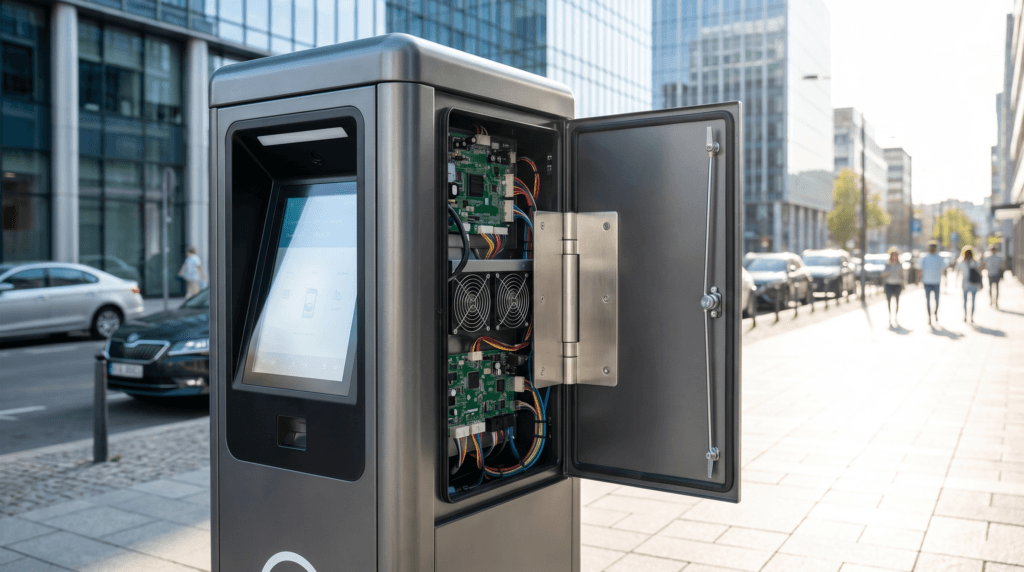
HMI screens and control panels are ubiquitous. Friction hinges are ideal for adjustable display mounts, allowing operators to tilt and swivel screens for optimal viewing and ergonomics. They also hold control panel doors open at any angle for easy access during programming, maintenance, or troubleshooting.
Heavy-Duty Access Doors and Machine Guards
Heavy access doors on industrial machinery require reliable support. Friction hinges provide stable positioning, preventing unexpected closure and enhancing worker safety. They also allow hands-free operation, holding doors open for safe and efficient access during maintenance or material loading.
Workstation Components and Tool Storage
In manufacturing, friction hinges enhance functionality:
•Adjustable Work Surfaces: Positioning workbenches or tool trays at ergonomic heights and angles.
•Protective Covers for Tools: Ensuring covers stay open during tool changes or maintenance, protecting tools and operators.
Specialized Industrial Equipment
Friction hinges offer tailored solutions for specialized industrial equipment:
•Fume Hood Sashes: Providing smooth, counterbalanced movement, holding sashes securely at any height for safety and ventilation.
•Test Equipment Lids: Ensuring heavy lids on environmental chambers or test fixtures can be opened and held safely.
For an industrial friction hinge manufacturer, customizing torque, size, material, and environmental sealing for specific industrial applications is a significant differentiator.
Key Considerations for Selecting Rotary Dampers and Friction Hinges in Industrial Applications
Selecting motion control components for industrial automation and heavy machinery requires meticulous evaluation of performance, extreme durability, and compliance with stringent industry standards.
1. Environmental Resistance
Industrial environments expose components to dust, dirt, moisture, chemicals, extreme temperatures, and vibrations. Materials must withstand these conditions without degradation. IP ratings for dust and water resistance, and material compatibility with industrial fluids, are crucial. Discuss more on Whatsapp.
2. Load Capacity and Torque Requirements
•Rotary Dampers: Damping force must precisely match the industrial component’s weight, inertia, and desired speed. Heavy loads require dampers with higher torque capacities and robust internal mechanisms.
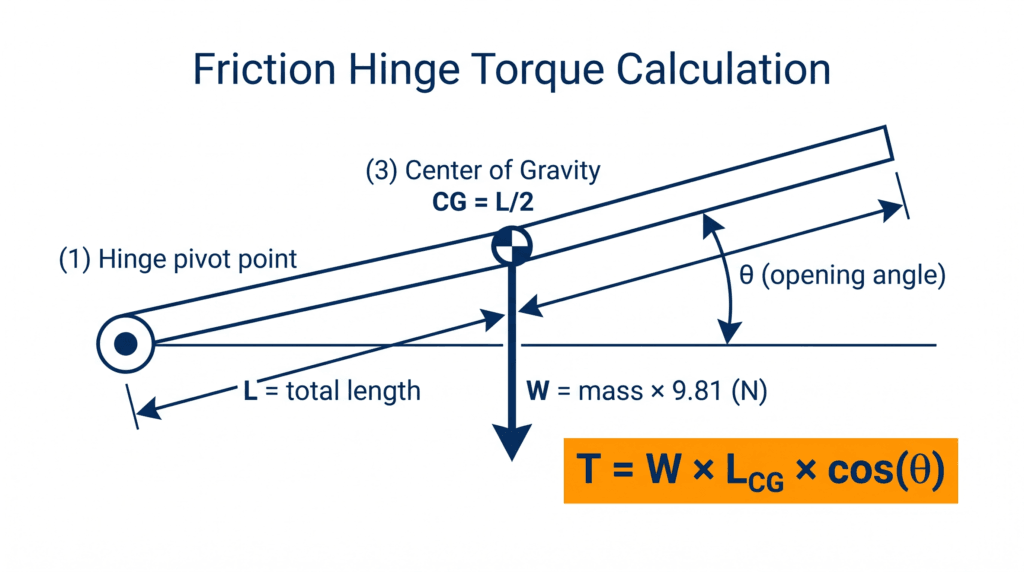
•Friction Hinges: Constant torque must securely hold heavy doors, panels, or displays at any angle, preventing drift while allowing manual adjustment. Accurate torque calibration is essential for consistent performance under industrial loads.
3. Durability and Cycle Life
Industrial equipment operates continuously, often for millions of cycles. Dampers and hinges require exceptional longevity, robust internal mechanisms, and wear-resistant materials. Rigorous cycle life testing ensures consistent performance over the machinery’s lifespan, minimizing maintenance and replacement costs.
4. Size, Mounting, and Integration
Industrial applications have specific space constraints and mounting requirements. Motion control components must be available in various sizes and configurations for seamless integration. Customization from the rotary damper manufacturer or friction hinge factory is often necessary for unique integration challenges.
5. Safety and Compliance
All industrial machinery components must comply with safety standards (e.g., OSHA, CE marking), including material traceability, robust manufacturing process controls, and adherence to quality management systems (e.g., ISO 9001) for worker safety and operational reliability.
6. Maintenance and Service Life
Ease of maintenance and a long, predictable service life are critical in industrial settings. Components should be designed for minimal maintenance, with clear inspection and replacement guidelines from suppliers.
7. Customization and Engineering Support
Highly specialized industrial applications require expert engineering support and extensive customization from a reliable heavy duty rotary damper supplier or industrial friction hinge manufacturer. This ensures perfectly tailored motion control components, optimizing performance, integration, and compliance.
The Future of Motion Control in Industrial Automation
The industrial landscape, driven by robotics, AI, and smart manufacturing, demands sophisticated motion control. Future trends include:
•Smart Dampers and Hinges: Integrating sensors and IoT for real-time data, wear monitoring, and predictive maintenance.
•Enhanced Environmental Protection: Higher IP ratings and resistance to extreme conditions (corrosive, explosive).
•Modular and Scalable Solutions: Easy integration into modular automation systems for rapid deployment.
•Energy Efficiency: Innovations to minimize energy consumption, aligning with sustainable manufacturing.
Janhine, as a leading automation equipment motion control provider, is committed to innovating bespoke solutions for these future challenges, contributing to safer, more efficient, and more productive factories worldwide.
Conclusion
Rotary dampers and friction hinges are foundational elements in modern industrial automation and heavy machinery, critical for safety, precision, and operational efficiency. Their controlled, smooth, and stable motion directly impacts worker safety, equipment longevity, and industrial productivity. Partnering with an experienced rotary damper manufacturer or friction hinge factory understanding industrial demands is a strategic imperative. Investing in high-quality, precisely engineered motion control components advances the industrial sector, delivering safer, more effective, and more productive solutions globally.
Frequently Asked Questions (FAQs)
1. What is the primary role of rotary dampers in industrial automation?
Rotary dampers in industrial automation primarily absorb kinetic energy to provide smooth, controlled deceleration of moving parts like machine guards and access panels. This prevents sudden impacts, reduces noise, enhances worker safety, and extends equipment lifespan by minimizing wear and tear.
2. How do friction hinges contribute to safety in heavy machinery?
Friction hinges enhance safety in heavy machinery by allowing components like access doors and control panel covers to be held securely at any desired angle. This prevents heavy parts from swinging shut unexpectedly, protecting operators from injury and facilitating safe, hands-free access for maintenance or material handling.
3. What environmental factors should be considered when selecting industrial motion control components?
Industrial motion control components must withstand harsh environmental factors such as dust, dirt, moisture, chemicals, extreme temperatures, and vibrations. Key considerations include IP ratings for ingress protection, material compatibility with specific industrial fluids, and robust construction to ensure long-term reliability in demanding conditions.
4. Why is customization important for industrial friction hinges and rotary dampers?
Customization is crucial because industrial applications often have unique load capacities, space constraints, and environmental requirements. A reliable industrial friction hinge manufacturer or heavy duty rotary damper supplier can tailor torque, size, material, and environmental sealing to perfectly match specific application needs, ensuring optimal performance, integration, and compliance.
5. How do motion control components contribute to Industry 4.0 goals?
Motion control components, especially smart dampers and hinges integrated with sensors and IoT platforms, contribute to Industry 4.0 by enabling real-time data collection on usage and wear. This facilitates predictive maintenance, improves operational efficiency, enhances safety, and supports the development of more adaptive and intelligent automated systems. Discuss more on Whatsapp.