
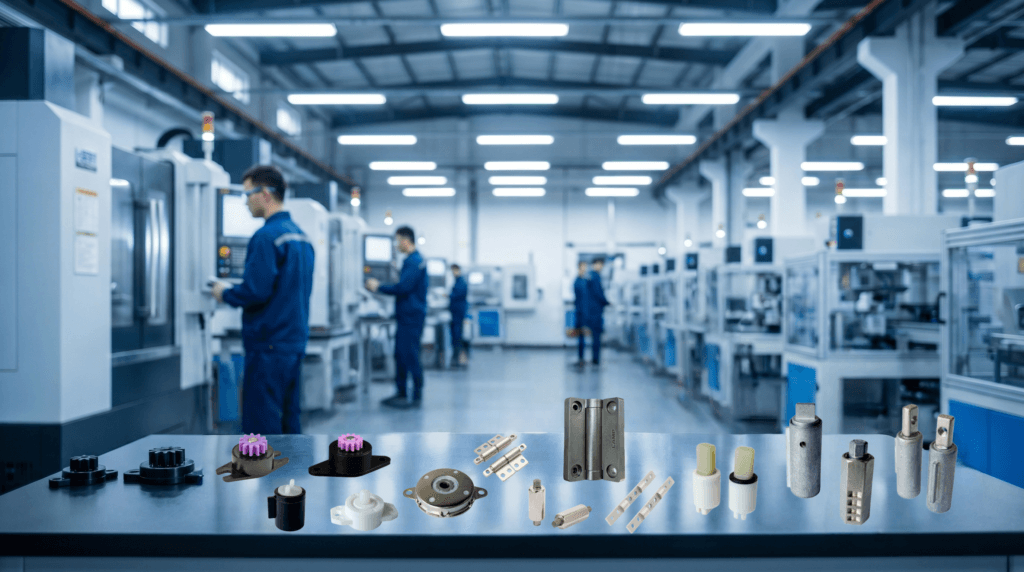
In the modern landscape of product design, the difference between a “good” product and a “premium” one often lies in the details that the user cannot see, but can certainly feel. As consumer expectations shift toward a more tactile, refined experience, engineers and designers are increasingly turning to motion control components to differentiate their offerings. Among these components, rotary dampers and friction hinges stand out as the primary tools for transforming mechanical movement into a signature brand experience.
This article explores how these two technologies elevate product design, focusing on the intersection of ergonomics, perceived quality, and mechanical longevity.
For product designers and engineers, the difference between a superior user experience and mechanical failure often lies in friction and motion control. Whether you are designing a high-end automotive center console, a precise medical diagnostic monitor, or a smart home appliance, managing kinetic energy is critical. Unreliable motion control can lead to slamming noises, premature hinge failure, and even costly product recalls.
At Janhinge, a professional manufacturer with over 20 years of OEM/ODM experience, we specialize in converting impact forces into controllable motion. This guide explores how our precision rotary dampers and friction hinges provide the ultimate solutions for soft-close and position-holding applications.
Understanding Rotary Dampers: The Secret to Soft-Close
A rotary damper is a mechanical component designed to control the speed and movement of a rotating object. By utilizing internal high-viscosity silicone oil, it creates resistance against the rotation of the shaft, effectively converting kinetic energy into steady mechanical motion.
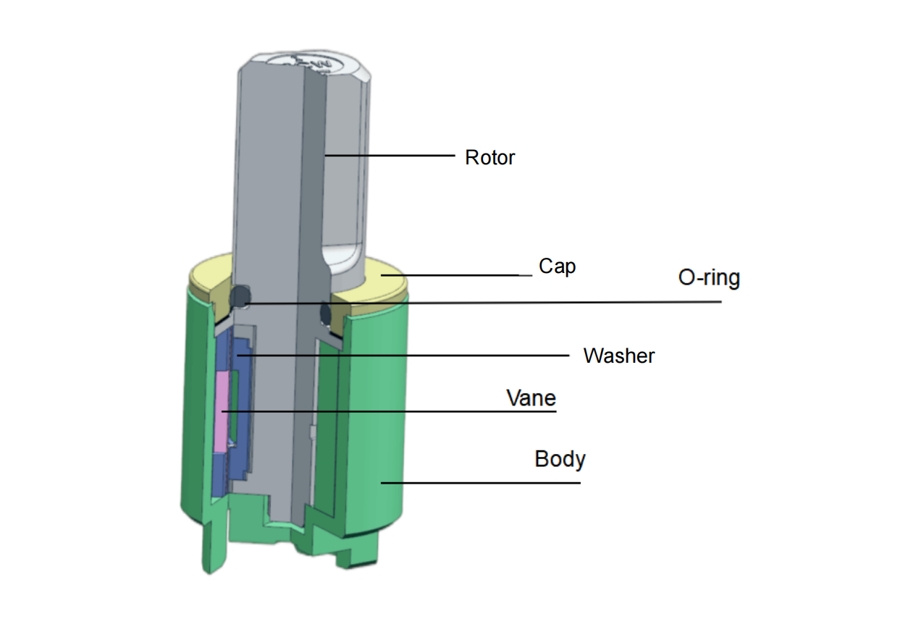
Figure 1: Internal structure of a rotary damper showing the rotor, silicone oil, and sealing mechanism.
Key Benefits for Engineers
Integrating a rotary damper into lids, handles, or covers offers several engineering advantages:
1.Elimination of Slamming Noise: Achieves a silent, soft-close motion, crucial for premium consumer electronics and smart home devices.
2.Impact Protection: Protects the product structure from severe mechanical shocks, significantly extending the service life.
3.Enhanced Safety: Prevents hand pinching, making it an essential component for furniture, cabinet doors, and heavy equipment hatches.
Common Applications
Janhinge’s rotary dampers, with a torque range of 0.1 to 10N.m and an operating life of over 50,000 cycles, are widely used across various industries:
•Automotive Interiors: Glove boxes, overhead grab handles, and center console lids.
•Bathroom Systems: Toilet seats and covers for silent soft closure.
•Home Appliances: Washing machine lids and refrigerator compartments. Discuss more on Whatsapp.
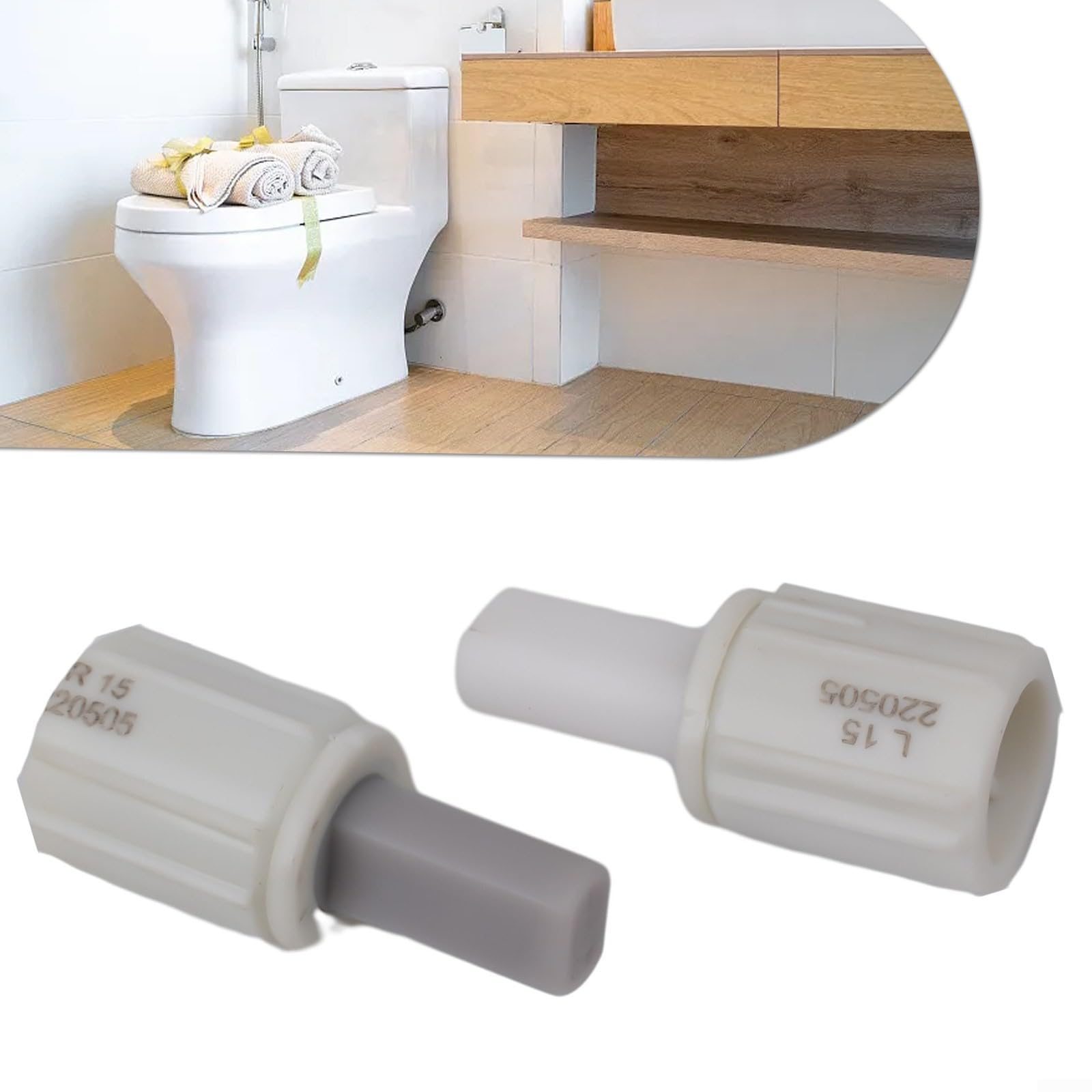
Figure 2: Rotary dampers applied in toilet seats for a silent, soft-close experience.
Friction Hinges: Mastering the Any-Angle Stop
While rotary dampers excel at slowing down motion, friction hinges (also known as position torque hinges or damping hinges) are engineered to hold an object securely at any desired angle.
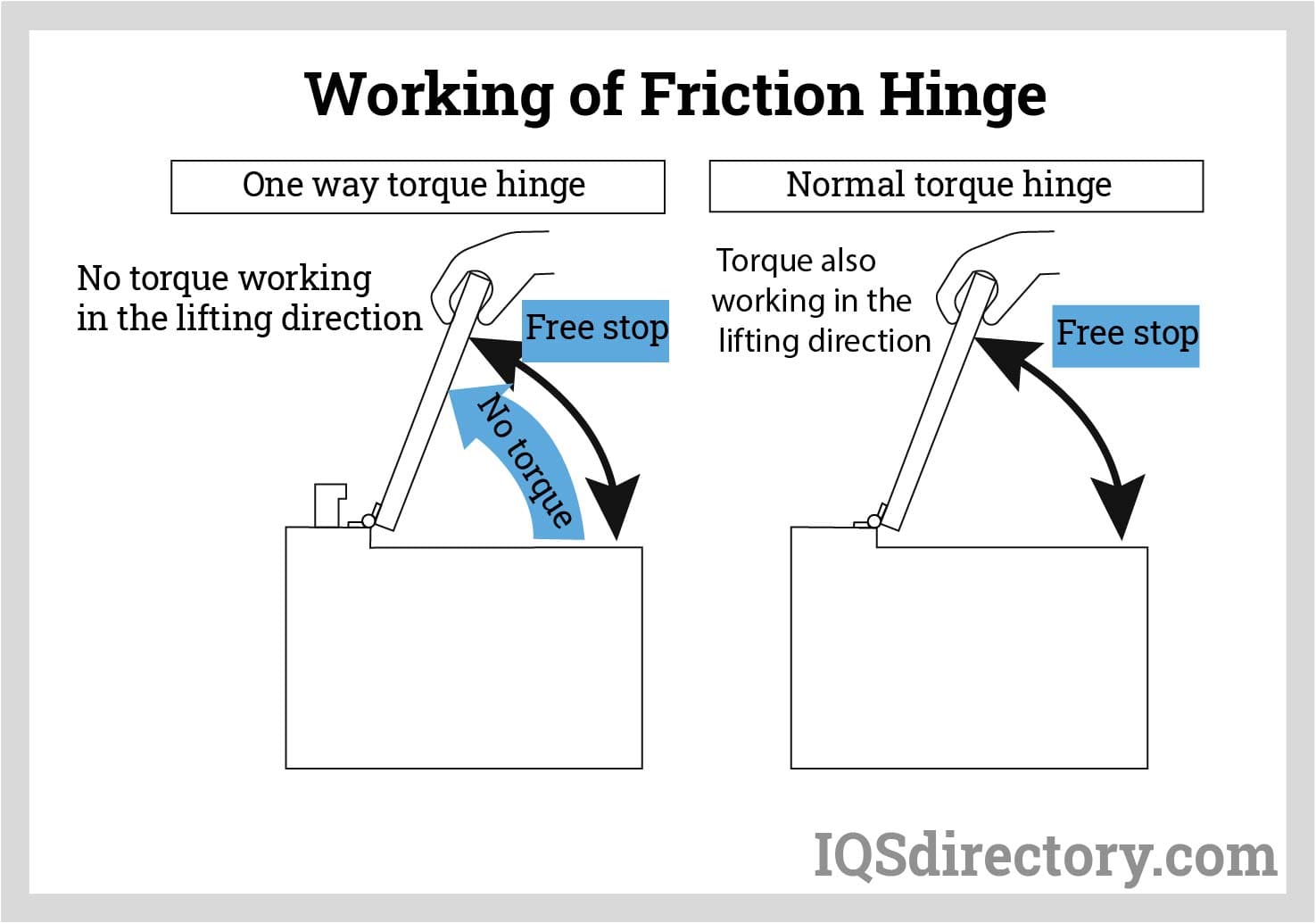
Figure 3: The working principle of a friction hinge providing constant torque.
How It Works
A friction hinge utilizes a precision-engineered combination of a shaft, spring, and friction plates. The compression of these internal components generates a stable and uniform frictional torque (damping force) during rotation. This constant resistance offsets the weight of the attached component (such as a screen or lid), allowing it to remain stable at any angle within a 0° to 360° range without sagging, springing back, or wobbling. Discuss more on Whatsapp.
Engineering Advantages
For procurement teams and engineers, sourcing reliable friction hinges solves several common design headaches:
1.One-Handed Adjustment: Allows users to adjust viewing angles effortlessly without the need for manual locking mechanisms.
2.Zero-Wobble Stability: Essential for high-vibration environments like UAV folding arms or automotive rear-seat displays.
3.Customizable Torque: Janhinge offers customizable torque profiles (light, medium, or heavy) to perfectly match the weight and leverage of your specific application.
Case Studies Across Industries
The Automotive Interior
Modern vehicles are moving toward “minimalist luxury.” Rotary dampers are hidden behind every moving part: grab handles, center consoles, air vents, and even the infotainment screens that rotate. They eliminate mechanical noise, creating a “sanctuary” feel inside the cabin.
Consumer Electronics
The “one-finger lift” test for a laptop is a classic example of friction hinge excellence. The hinge must be light enough to open with one finger but strong enough to keep the screen from shaking while the user types. This delicate balance is achieved through high-precision torque engineering.
Medical and Laboratory Equipment
In a surgical suite, equipment must be moved effortlessly and stay perfectly still once positioned. Friction hinges allow heavy monitors and lights to be “weightless” to the touch, reducing fatigue for medical professionals.
The Economic Value of Motion Control
While some designers view dampers and hinges as “added costs,” they often result in long-term savings:
- Reduced Warranty Claims: By preventing slamming and excessive wear on latches, these components extend the life of the entire assembly.
- Brand Loyalty: Customers are more likely to return to a brand that “feels” high-quality.
- Market Differentiation: In a crowded market, a superior tactile experience can be the deciding factor for a consumer.
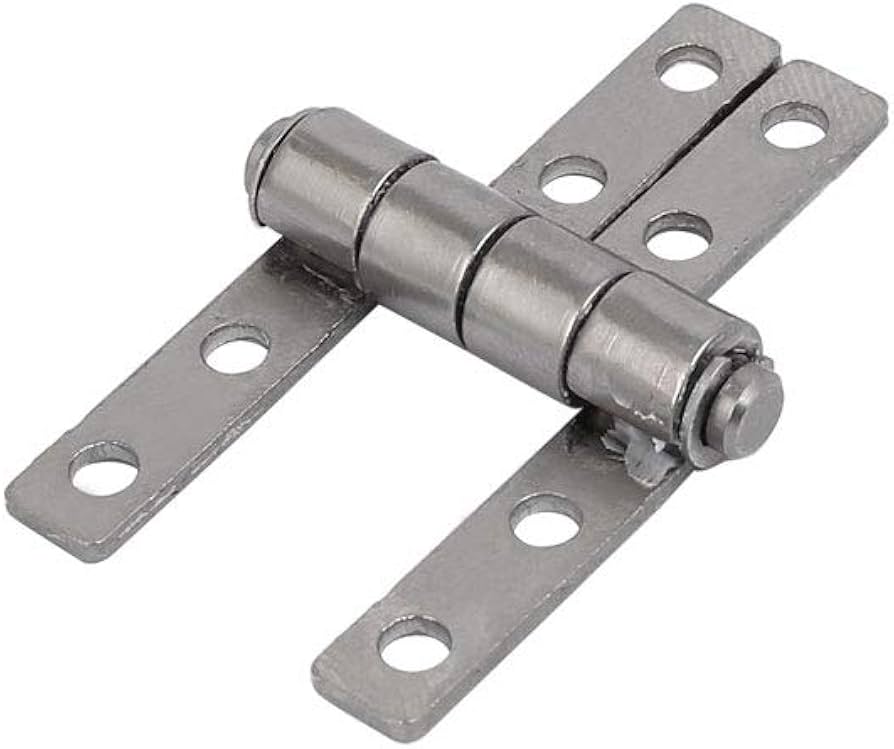
Figure 4: Janhinge precision friction hinges designed for stable hovering.
Why Choose Janhinge as Your Manufacturing Partner?
When sourcing motion control components, the cheapest option often hides the highest risk. Inconsistent seals lead to oil leaks, and poor torque consistency results in a shortened product lifespan.
As a direct OEM/ODM factory in China, Janhinge mitigates these risks through data-driven precision and rigorous quality control:
•100% Automated Testing: Every single damper undergoes a multi-stage, automated air pressure leak test. We do not rely on spot-checking; we ensure zero defects reach your assembly line.
•Verified Durability: Our designs are validated through continuous in-house lifecycle testing, maintaining over 85% torque retention even after 50,000 cycles.
•Rapid Prototyping: Our dedicated engineering team provides custom design proposals and 3D CAD models within days, accelerating your Time-to-Market.
Figure 5: Janhinge dampers ensuring smooth operation in automotive glove boxes.
Conclusion
Conclusion: The Future of Motion
As we move toward a world of smart homes and autonomous vehicles, the demand for sophisticated motion control will only grow. We are seeing the rise of electric dampers and adjustable friction hinges that can change their resistance based on user preference.
However, the core principle remains the same: Good design is invisible. When a rotary damper or a friction hinge does its job perfectly, the user doesn’t think about the mechanics—they simply enjoy a seamless, premium experience. By prioritizing these “silent partners” in the design process, manufacturers can elevate their products from functional objects to engineered masterpieces.
Whether you need a soft close mechanism to add a touch of luxury to a home appliance or an any angle stop hinge for a critical medical display, the right motion control component defines the user experience.
Stop fighting your hardware and let Janhinge perfect your motion control. Contact us today to request a custom solution, download 2D/3D drawings, or get free samples for your next engineering project.
For more technical specifications and customized torque solutions, visit www.janhinge.com.