
In the modern manufacturing landscape, the tactile feel and operational safety of a product are no longer afterthoughts—they are primary drivers of brand value and user satisfaction. From the silent closing of a premium washing machine lid to the rock-solid stability of a surgical monitor arm, precision motion control is the invisible force that elevates engineering design.
As a leading OEM/ODM manufacturer with over two decades of expertise, Janhinge specializes in engineering high-performance rotary dampers and friction hinges. This article explores the transformative applications of these components across three critical sectors: Smart Home Appliances, Medical & Healthcare, and Industrial Automation. Discuss more on Whatsapp.
1. Smart Home Appliances: Engineering the “Premium Feel”
The consumer appliance market is fiercely competitive. Today’s consumers expect their appliances not only to perform flawlessly but also to operate silently and safely. This is where the integration of a soft close damper mechanism becomes a significant competitive advantage.
1.1 Washing Machines and Refrigerators
Top-loading washing machines feature heavy glass or metal lids. Without damping, a dropped lid can shatter the glass, damage the machine’s chassis, or cause severe injury to the user’s hands.
By integrating a high-torque rotary damper into the hinge assembly, the kinetic energy of the falling lid is absorbed by the internal high-viscosity silicone oil. This converts the dangerous free-fall into a controlled, elegant soft-close motion. Similarly, in high-end refrigerators, dampers are used in crisper drawers and door hinges to prevent slamming, protecting both the appliance and the stored food.
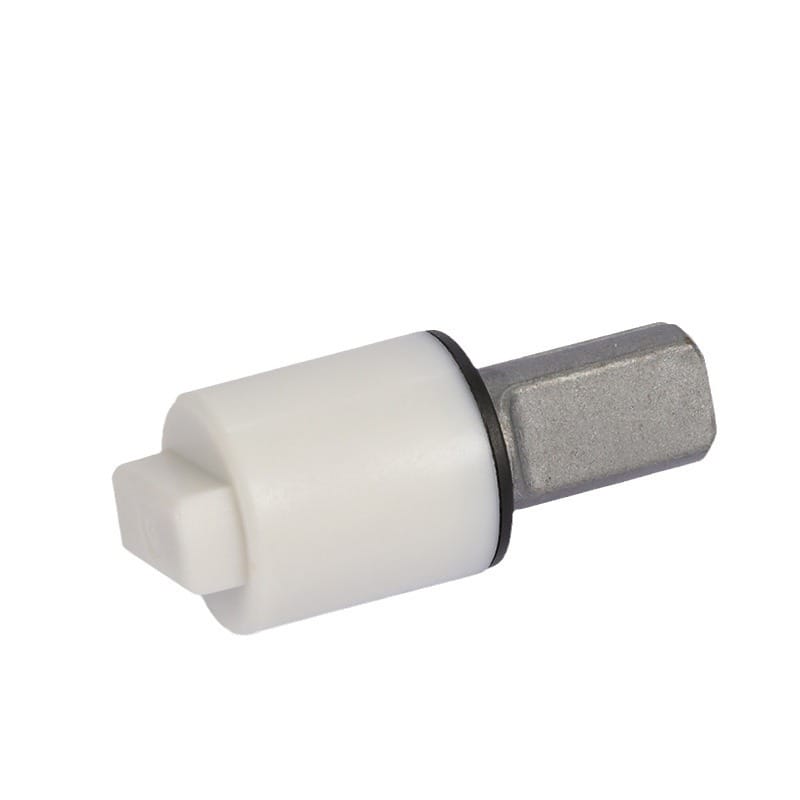
Figure 1: Heavy-duty rotary dampers designed specifically for washing machine lids, ensuring a safe and silent soft-close.
1.2 Smart Trash Cans and Cabinetry
The “smart home” extends to everyday items like sensor-activated trash cans. When the sensor detects motion, a motor opens the lid. However, when closing, a rotary damper takes over to ensure the lid descends silently, eliminating the jarring “clack” of plastic on plastic.
In kitchen and bathroom cabinetry, compact rotary dampers are integrated into hinges and drawer slides. This prevents the slamming of cabinet doors, reducing noise pollution in the home and extending the lifespan of the wooden furniture. Discuss more on Whatsapp.
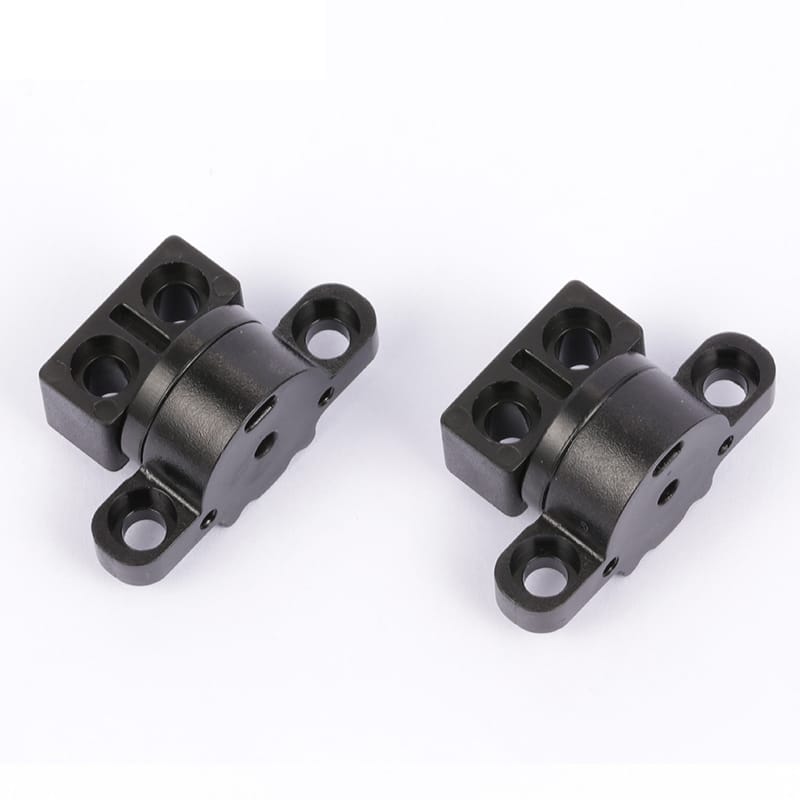
Figure 2: Hydraulic descent devices and rotary dampers used in smart trash cans for noise reduction.
2. Medical & Healthcare: Precision and Reliability
In the medical field, motion control components must meet stringent requirements for precision, hygiene, and absolute reliability. A failure in a medical environment is not just an inconvenience; it can compromise patient care.
2.1 Diagnostic Monitors and Surgical Lighting
Medical professionals rely on diagnostic displays and surgical lighting that must be positioned with pinpoint accuracy. These heavy, articulated arms utilize position torque hinges (friction hinges).
A high-quality friction hinge provides constant resistance throughout its 360-degree rotation. This allows a surgeon to adjust a heavy monitor with one hand and trust that it will remain exactly in that position—without sagging, springing back, or wobbling. Janhinge engineers these hinges using high-strength stainless steel shafts and precision-machined friction plates to ensure zero-play stability.
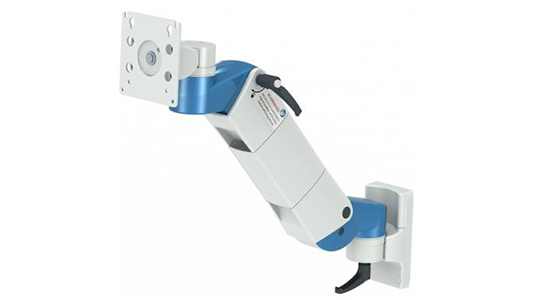
Figure 3: Friction hinges applied in articulated medical monitor arms, providing stable, any-angle positioning.
2.2 Rehabilitation Equipment and Hospital Beds
Rehabilitation exoskeletons and adjustable hospital beds require motion control that is both smooth and robust. Friction hinges are used in the joints of knee braces and walker frames to provide adjustable resistance, aiding in patient therapy. Rotary dampers are employed in the side rails of hospital beds to ensure they lower gently, preventing sudden drops that could startle or injure a patient.
3. Industrial Automation: Rugged Durability
Industrial environments are unforgiving. Motion control components must withstand constant vibration, exposure to cutting fluids, extreme temperatures, and heavy loads.
3.1 Heavy Machinery Covers and CNC Panels
Operators of CNC machines and heavy industrial equipment frequently need to open large, heavy protective covers for maintenance or tool changes.
•Heavy-Duty Friction Hinges: These are used to hold the heavy covers open at specific angles. Janhinge designs asymmetric friction hinges for these applications—they provide low resistance when the operator is lifting the heavy cover, but high resistance against gravity to prevent the cover from falling shut.
•Industrial Rotary Dampers: When the cover needs to be closed, industrial-grade rotary dampers absorb the massive kinetic energy, ensuring the heavy metal panel closes softly and safely, protecting both the operator and the machine’s delicate internal components.
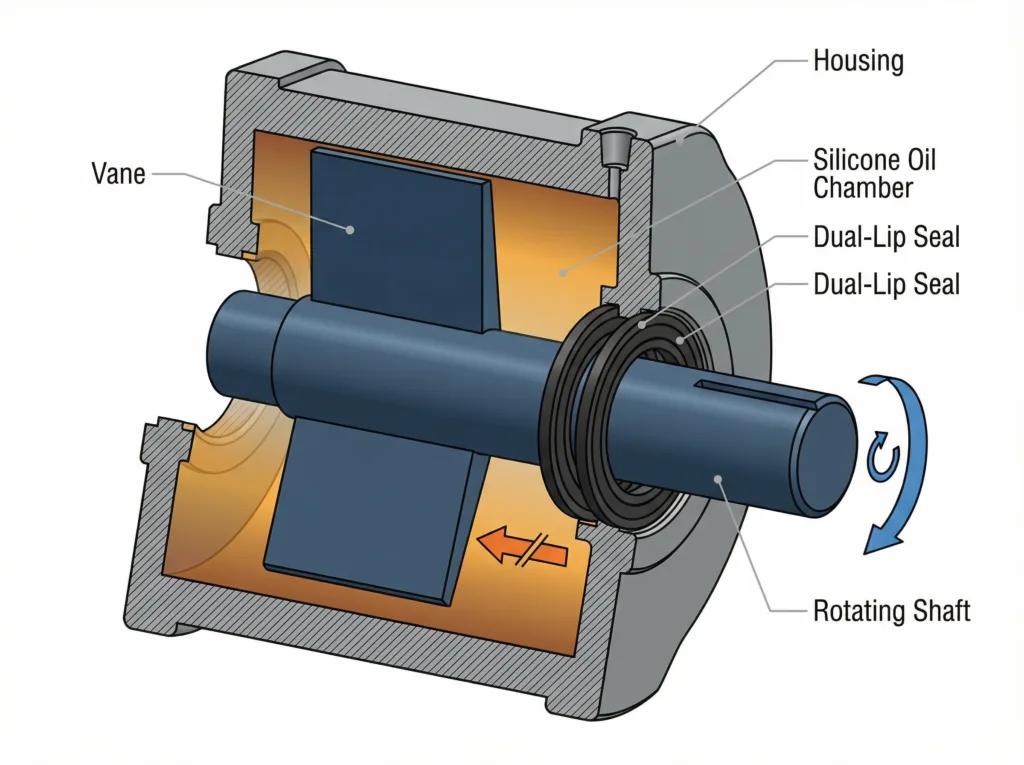
Figure 4: Heavy-duty friction hinges and rotary dampers applied to CNC machine protective covers.
3.2 UAVs and Robotics
In the rapidly expanding field of Unmanned Aerial Vehicles (UAVs) and industrial robotics, weight and stability are critical. Folding drone arms utilize specialized, lightweight friction hinges. These hinges must provide enough torque to keep the arms rigidly locked during high-vibration flight, yet allow for smooth folding during transport.
4. Why Partner with Janhinge for OEM Solutions?
Whether you are designing a consumer appliance or a piece of heavy industrial machinery, off-the-shelf components rarely meet the exact specifications required for optimal performance.
As a direct factory in China, Janhinge offers unparalleled OEM/ODM capabilities:
1.Custom Torque Engineering: We do not just sell parts; we engineer solutions. Our team calculates the exact torque required based on your product’s weight, center of gravity, and lever arm, customizing the internal silicone oil viscosity or friction plate tension to match.
2.100% Automated Quality Control: Every rotary damper undergoes an automated air-pressure leak test. We guarantee zero oil leaks and verify that torque retention remains above 85% even after 50,000 cycles.
3.Rapid Prototyping: We provide 3D CAD models and functional custom samples within days, drastically reducing your Time-to-Market.
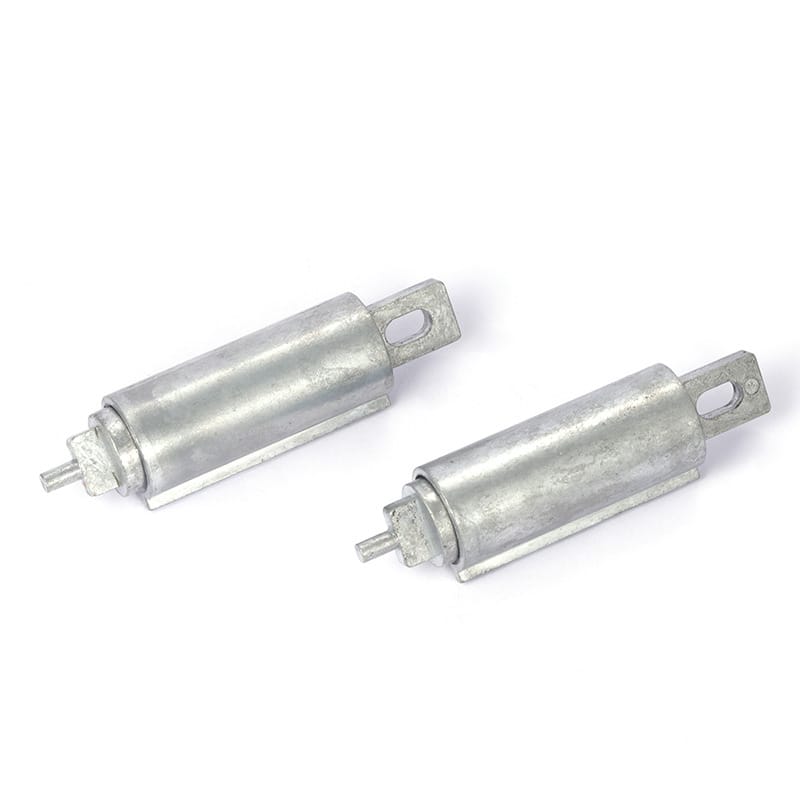
Figure 5: Janhinge offers a diverse portfolio of friction hinges, customizable for any industrial or commercial application.
5. Frequently Asked Questions (FAQ)
To assist procurement managers and engineers in their decision-making process, we have compiled the most common questions regarding our motion control solutions.
Q1: What is the difference between a rotary damper and a friction hinge?
A: A rotary damper controls the speed of a moving object (e.g., making a lid close slowly and softly). A friction hinge controls the position of an object (e.g., holding a laptop screen or medical monitor open at any specific angle without it falling).
Q2: How do I determine the correct torque for my application?
A: Torque is calculated using the formula: Torque = Weight × Distance to Center of Gravity × cos(Angle). However, dynamic forces and safety factors must be applied. We highly recommend contacting the Janhinge engineering team with your product’s dimensions and weight, and we will calculate the exact torque specification for you free of charge.
Q3: Will the silicone oil in the rotary damper leak over time?
A: Low-quality dampers often leak due to poor seals. Janhinge utilizes premium imported silicone oil, superior O-ring designs, and ultrasonic welding. Most importantly, 100% of our dampers undergo automated air-pressure leak testing before leaving the factory, ensuring a zero-leak guarantee.
Q4: Can friction hinges withstand the harsh chemicals found in industrial environments?
A: Yes. For industrial applications, we manufacture friction hinges using high-grade stainless steel and specialized zinc alloys that are highly resistant to corrosion, cutting fluids, and machine oils.
Q5: What is the typical lifespan of Janhinge motion control components?
A: Our standard rotary dampers and friction hinges are rigorously tested to exceed 50,000 operational cycles with minimal torque decay (less than 15% loss). For heavy-duty industrial applications, we can engineer components designed to withstand up to 100,000 cycles.
Ready to elevate your product’s design with precision motion control? Visit www.janhinge.com to explore our solutions or request a free sample today. Discuss more on Whatsapp.