
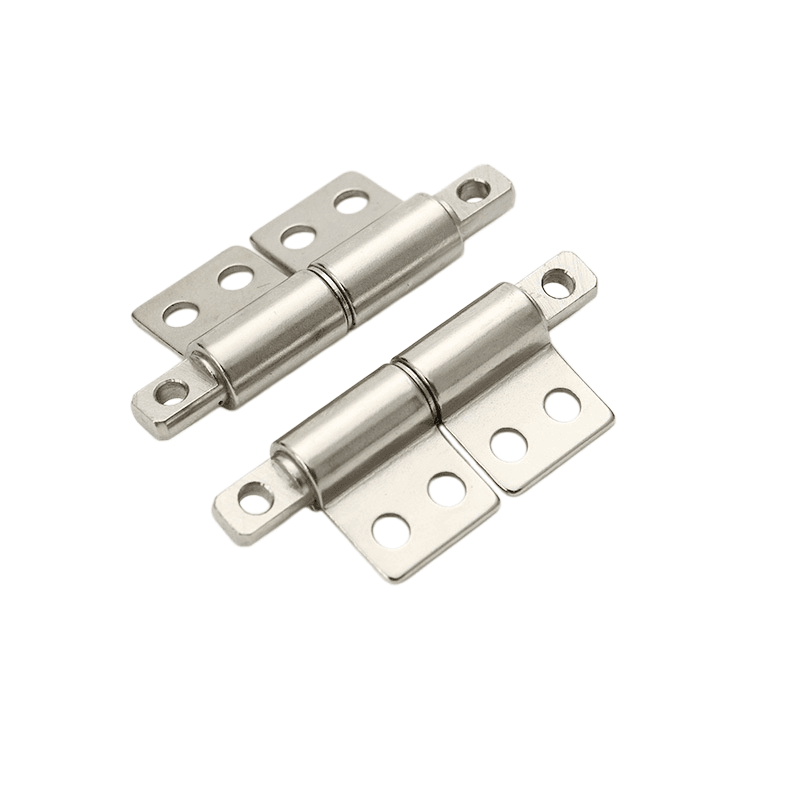
In the highly competitive world of OEM manufacturing, product differentiation is everything. Whether you are designing a luxury kitchen cabinet, a high-end coffee machine, or a smart toilet seat, the tactile feedback of moving parts plays a massive role in how consumers perceive quality. A lid that slams shut feels cheap; a lid that glides to a silent, controlled close feels premium.
While many procurement teams default to standard hinges to save on initial component costs, this approach often leads to compromised product design and missed opportunities for brand elevation.
In this article, the engineering team at Janhinge explores the fundamental differences between damping friction hinge vs standard hinge technologies. We will analyze how upgrading to premium motion control components directly impacts user experience, brand value, and the ultimate Return on Investment (ROI) for manufacturers.
1. The Mechanical Divide: Standard vs. Damping Hinges
To understand the value of an upgrade, we must first understand the mechanical differences between the two technologies.
1.1 The Standard Hinge: Basic Functionality
A standard hinge (such as a traditional butt hinge or a basic concealed European hinge) serves a single purpose: it connects two objects and allows them to rotate relative to each other. It provides no resistance to motion. When a user pushes a cabinet door closed, the door accelerates until it violently impacts the cabinet frame, creating a loud “clack” and sending shockwaves through the furniture.
1.2 The Damping Hinge: Engineered Motion Control
A damping hinge (or soft-close hinge) integrates a micro-hydraulic cylinder or a rotary damper directly into the hinge mechanism.
As the door or lid reaches the final 15° to 30° of its closing arc, the damper engages. The internal fluid (typically high-viscosity silicone oil) is forced through a precision-engineered orifice. This fluid resistance absorbs the kinetic energy of the moving door, converting the violent impact into a smooth, silent, and controlled soft-close motion.
Janhinge
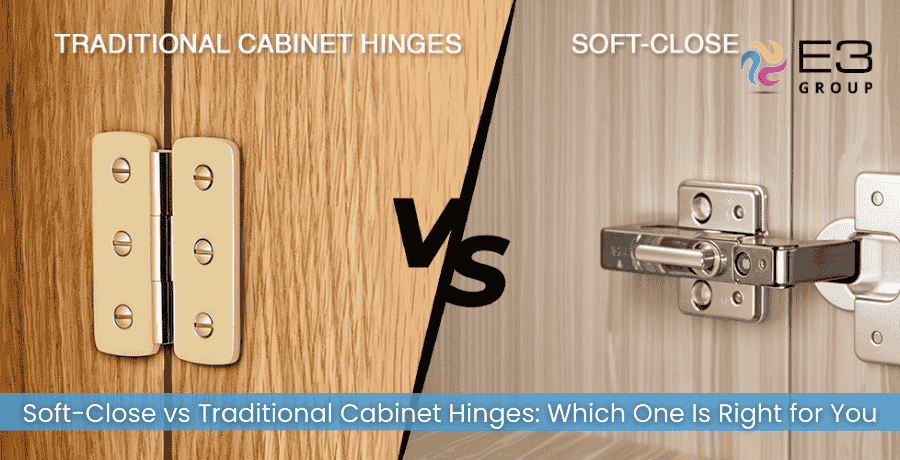
Figure 1: A visual comparison of the mechanical operation between a traditional cabinet hinge and a modern soft-close damping hinge.
2. The Business Case for the “Silent Upgrade”
For an OEM manufacturer, upgrading from a $0.50 standard hinge to a $1.50 damping hinge might seem like an unnecessary expense. However, this soft close hinge product upgrade is rarely about the cost of the component; it is about the perceived value of the final product.
2.1 Elevating the User Experience (UX)
The tactile experience of opening and closing a product is often the first physical interaction a user has with your brand.
Imagine a consumer testing two washing machines in a showroom. Machine A has a standard hinge; the heavy glass lid slams shut, startling the customer. Machine B features a Janhinge rotary damper; the lid glides down silently and safely. Without reading a single specification sheet, the consumer instantly perceives Machine B as the superior, more technologically advanced product. This premium product soft close hinge experience directly influences purchasing decisions.
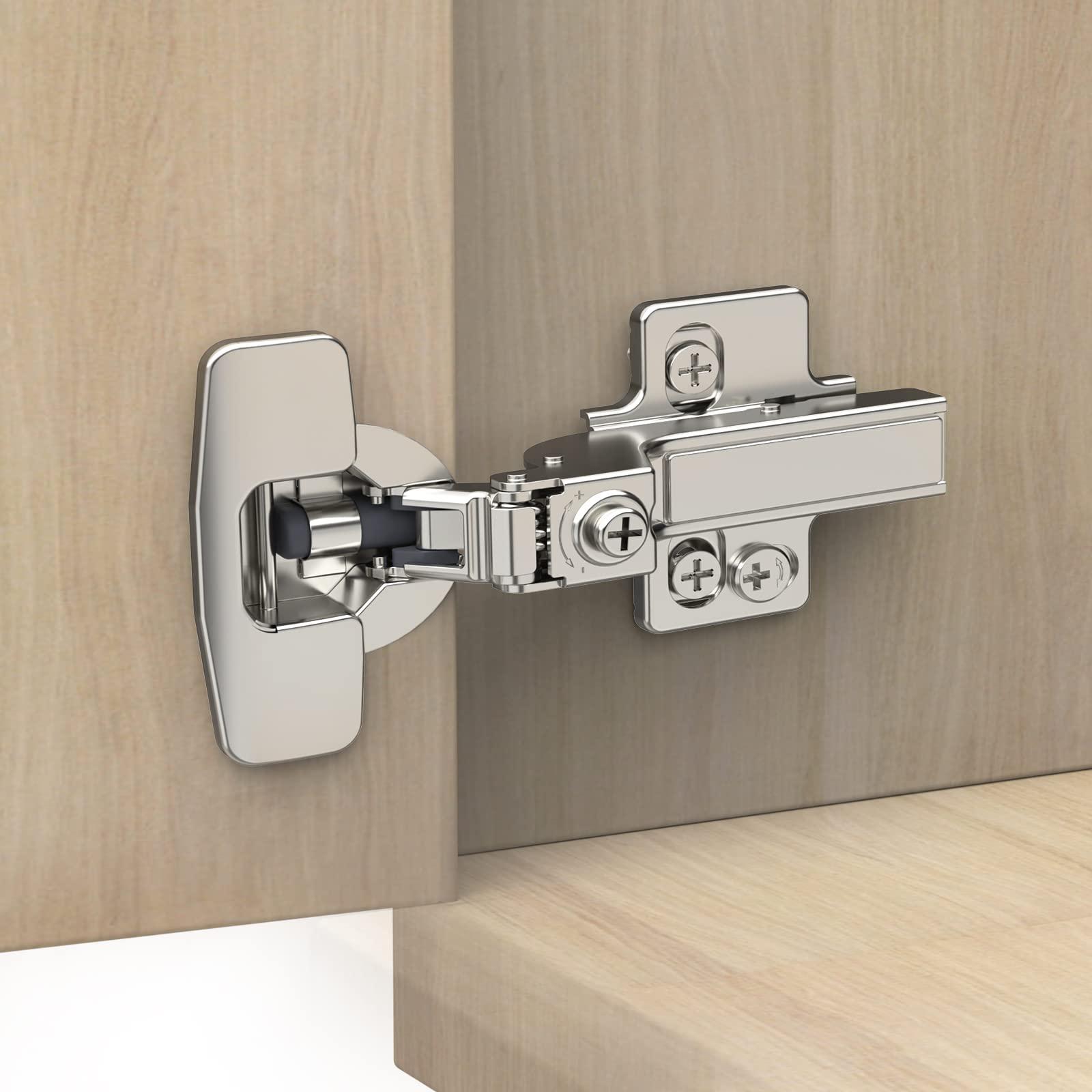
Figure 2: Premium soft-close hinges elevate the perceived quality of high-end cabinetry and furniture.
2.2 Building Brand Premium Value
Brands like Apple, Blum, and high-end automotive manufacturers have built empires on the concept of “premium feel.” By integrating rotary damper product quality upgrade components into your designs, you signal to the market that your brand cares about the details.
This perceived quality allows manufacturers to command a higher retail price. The $1.00 extra spent on a premium damping hinge can easily justify a $50.00 increase in the final retail price of a luxury bathroom vanity or a smart home appliance, resulting in a massive ROI.
2.3 Reducing Warranty Claims and Extending Lifespan
Standard hinges allow doors and lids to slam, which repeatedly stresses the product’s chassis, the hinge mounting screws, and the material itself (e.g., cracking glass or chipping wood).
Damping hinges eliminate this impact shock. By absorbing the kinetic energy, they protect the structural integrity of the product, significantly extending its lifespan and reducing costly warranty claims and customer complaints.
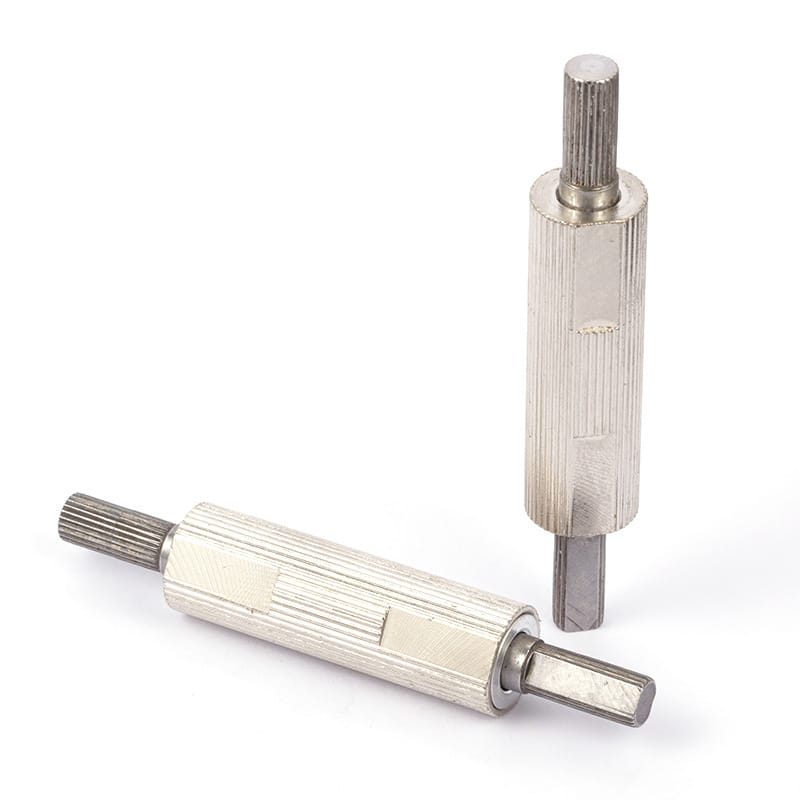
Figure 3: Soft-close damper mechanisms protect the structural integrity of cabinets by eliminating impact shock.
3. When to Use Damping Hinges Instead of Standard Hinges
While standard hinges still have their place in low-cost, utilitarian applications, damping hinges and friction hinges should be the default choice for any OEM looking to achieve motion control hinge product differentiation.
Key Upgrade Scenarios:
1.Heavy Lids and Doors: Any application where gravity causes a heavy lid to fall rapidly (e.g., washing machines, industrial covers, toy boxes). A damper is essential for safety to prevent crushed fingers.
2.Acoustically Sensitive Environments: Products used in bedrooms, bathrooms, or high-end kitchens (e.g., toilet seats, wardrobe doors, trash cans) where slamming noises are unacceptable.
3.Premium Consumer Electronics: Laptops, foldable displays, and portable projectors require precise friction hinges to hold screens at any angle, providing a luxurious, zero-wobble experience.
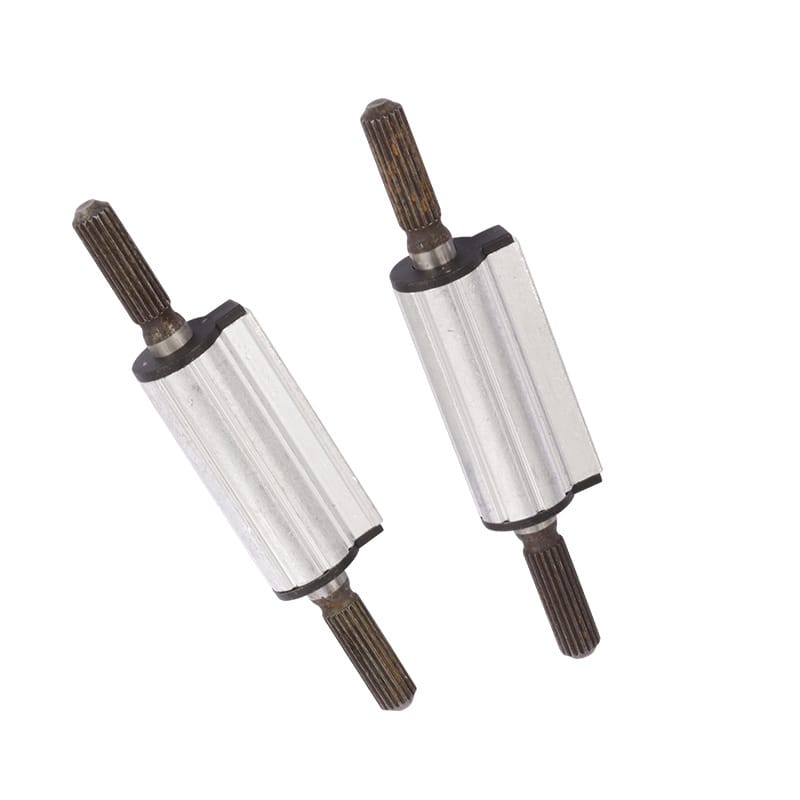
Figure 4: Janhinge offers a comprehensive range of rotary dampers and friction hinges to upgrade any product line.
4. Partnering with Janhinge for Your Product Upgrade
Transitioning from standard hinges to precision motion control requires a reliable manufacturing partner. As a direct OEM factory, Janhinge provides the engineering support necessary to execute this upgrade seamlessly.
We do not just supply off-the-shelf parts; we analyze your product’s weight, center of gravity, and desired closing speed to engineer a custom torque profile. With 100% automated torque inspection and rigorous lifecycle testing, we guarantee that your upgraded product will deliver a flawless user experience for years to come.
Contact the Janhinge engineering team today to discuss how a motion control upgrade can increase your product’s market value and differentiate your brand from the competition.
5. Frequently Asked Questions (FAQ)
Q1: Is it difficult to redesign my product to accommodate a damping hinge instead of a standard hinge?
A: Not necessarily. Many of our damping hinges are designed with standard mounting hole patterns (e.g., the standard 35mm European hinge cup) to allow for a drop-in replacement. For unique applications, our engineering team can design custom damper housings that integrate seamlessly into your existing CAD models.
Q2: How much more does a damping hinge cost compared to a standard hinge?
A: While a damping hinge is more expensive due to the internal hydraulic cylinder and silicone oil, the cost difference is often negligible in the context of the overall product cost. The ROI achieved through higher retail pricing and reduced warranty claims far outweighs the initial component cost.
Q3: Can I add a rotary damper to an existing standard hinge design?
A: Yes. In many cases, you do not need to replace the entire hinge. Janhinge manufactures standalone rotary dampers (gear dampers or barrel dampers) that can be mounted adjacent to the pivot point of your existing standard hinge to provide the soft-close effect.
Q4: Do damping hinges wear out faster than standard hinges?
A: High-quality damping hinges actually extend the life of the product by eliminating impact shock. Janhinge’s premium dampers are tested to exceed 50,000 to 100,000 cycles with minimal torque degradation, often outlasting the furniture or appliance they are installed in.
Q5: How do I prove the ROI of upgrading to soft-close hinges to my management team?
A: Focus on three metrics: 1) Competitive differentiation (can we charge a premium?); 2) Reduced warranty costs (fewer broken doors/lids due to slamming); and 3) Enhanced brand perception (read customer reviews of competing products that slam vs. those that soft-close). We can provide sample units for your team to test the tactile difference firsthand.