
The modern workspace has undergone a radical transformation. As professionals spend more hours at their desks, the demand for ergonomic, highly adjustable office equipment has skyrocketed. A static desk and a rigid chair are no longer acceptable; today’s office environment must adapt to the user, not the other way around.
At the heart of this ergonomic revolution are precision motion control components. Whether it is a monitor arm that floats effortlessly, an office chair armrest that adjusts with a satisfying click, or a heavy printer lid that closes silently, friction hinges and rotary dampers are the invisible mechanisms driving user comfort and productivity.
In this technical guide, the engineering team at Janhinge explores the critical role of torque hinges and dampers in office furniture, display equipment, and POS terminals.
1. The Ergonomics of Display Positioning: Monitor Arms and Stands
In the realm of display equipment—including dual-monitor setups, tablets, and interactive kiosks—the primary objective is ergonomic positioning. Users must be able to adjust the screen angle effortlessly to reduce glare and neck strain, and the screen must remain firmly in that position once adjusted.
1.1 Friction Torque Hinges for Infinite Adjustability
This “stay-put” functionality is the domain of the friction hinge. A monitor arm friction hinge relies on controlled interference between a hardened steel shaft and a friction element (such as steel bands or multiple thin disks) to generate a stable holding torque.
Unlike standard hinges that allow free movement, a friction hinge resists motion until a specific force is applied. In a monitor stand, the hinge must provide sufficient torque to counteract the monitor’s weight and prevent it from sagging. Simultaneously, the torque cannot be so high that the user struggles to adjust the angle. This delicate balance is known as “free-stop” or “any-angle stop.”
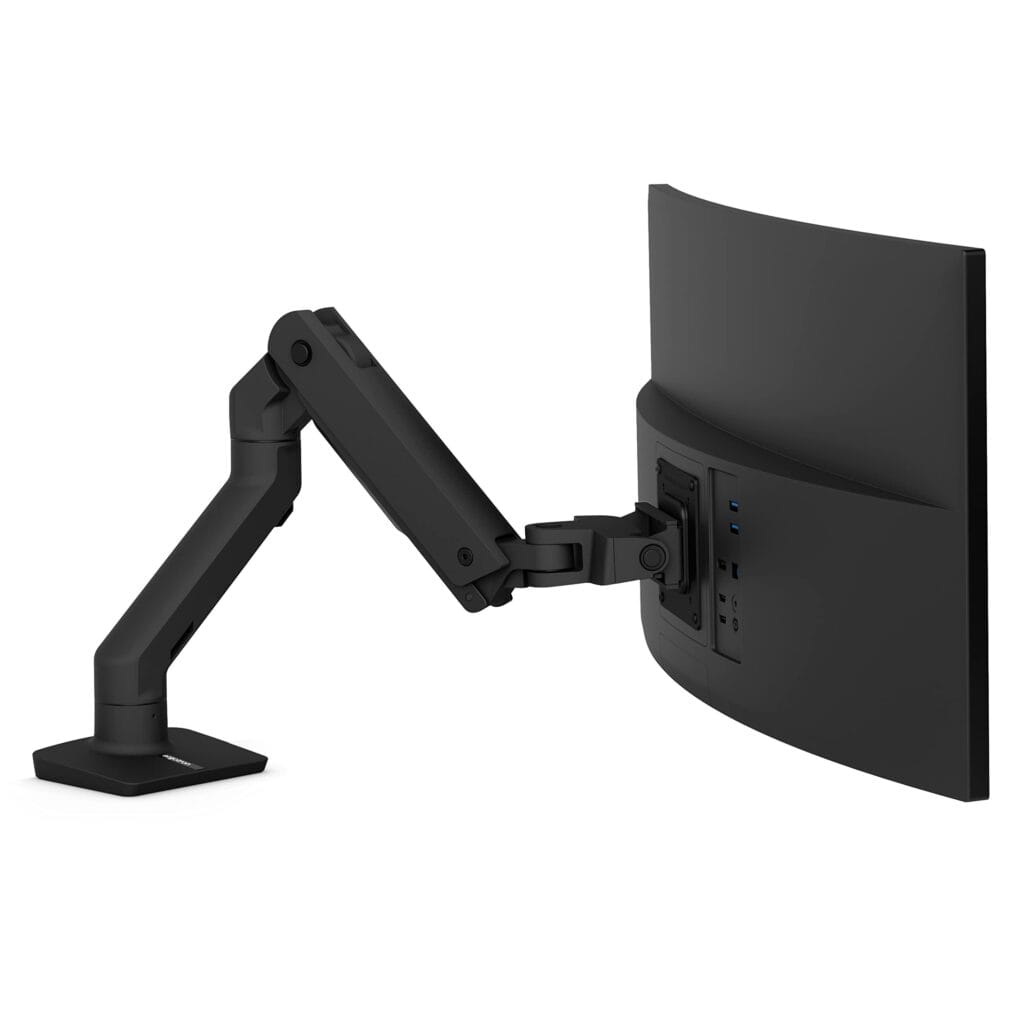
Figure 1: Heavy-duty monitor arms rely on precision friction hinges to hold large, curved displays at any desired angle.
1.2 Engineering Challenges in Display Hinges
Designing a monitor stand any angle stop hinge presents three specific engineering challenges:
1.Torque Degradation: Constant friction generates heat and wears down the mating surfaces. If the torque degrades significantly over time, the hinge will no longer support the display, leading to “screen droop.” Janhinge utilizes specialized heat-treated steel and proprietary lubrication to ensure torque degradation remains below 15% even after 30,000 adjustment cycles.
2.Spring-Back: When a user adjusts a screen and releases it, the hinge must hold that exact position without springing back slightly. This requires minimizing the elasticity of the internal components.
3.Asymmetric Loading: A heavy monitor exerts a constant downward force (gravity). Therefore, an asymmetric friction hinge—which provides higher resistance against gravity (preventing the screen from falling) and lower resistance when lifting the screen—is often necessary to optimize the user experience.
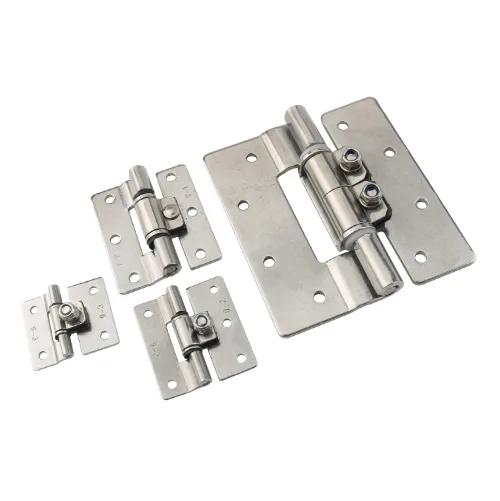
Figure 2: Asymmetric torque hinges are ideal for heavy displays, providing high holding force with easy upward adjustment.
2. Office Seating: The Mechanics of Comfort
Ergonomic office chairs are complex machines. Every adjustable component—from the lumbar support to the headrest—requires precise mechanical engineering.
2.1 Office Chair Armrest Adjustments
The armrests of a premium office chair must be adjustable in multiple dimensions (height, width, depth, and pivot). An office chair armrest damper hinge or detent hinge is often used in the pivot mechanism.
When a user rotates the armrest inward or outward, the hinge provides a smooth, damped resistance, often settling into predefined positions with a satisfying, tactile “click.” This prevents the armrest from swinging loosely and gives the chair a premium, engineered feel.
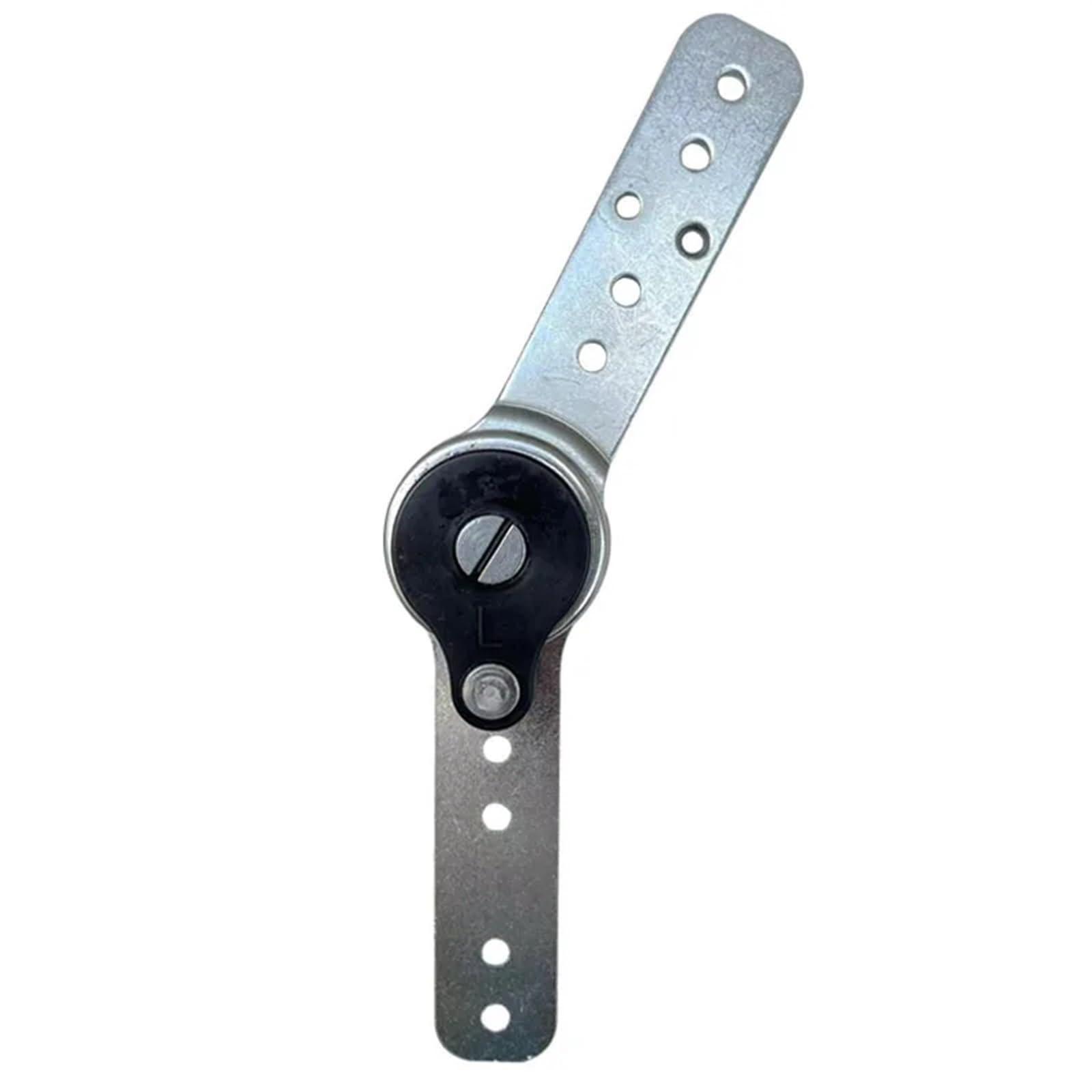
Figure 3: Heavy-duty adjustable hinge mechanisms used in ergonomic office chairs and seating.
2.2 Recline and Tilt Mechanisms
While large gas cylinders handle the primary height adjustment, smaller rotary dampers are sometimes integrated into the recline mechanisms of high-end chairs. These dampers smooth out the tilting motion, preventing the user from snapping backward abruptly when they lean into the chair, thereby enhancing safety and comfort.
3. POS Terminals and Interactive Kiosks
Point-of-Sale (POS) terminals and self-service kiosks are ubiquitous in retail and hospitality. These devices feature touchscreens that must be adjusted to accommodate users of different heights and to minimize overhead glare.
A POS terminal display hinge torque mechanism must be exceptionally robust. Unlike a personal monitor arm, a POS terminal is subjected to constant, forceful tapping by hundreds of different users every day. If the friction hinge is weak, the screen will bounce or push backward with every touch, frustrating the user and slowing down transactions.
Janhinge engineers high-torque, heavy-duty friction hinges specifically for these commercial applications, ensuring rock-solid stability during touchscreen interaction while still allowing for smooth angle adjustments by the cashier.
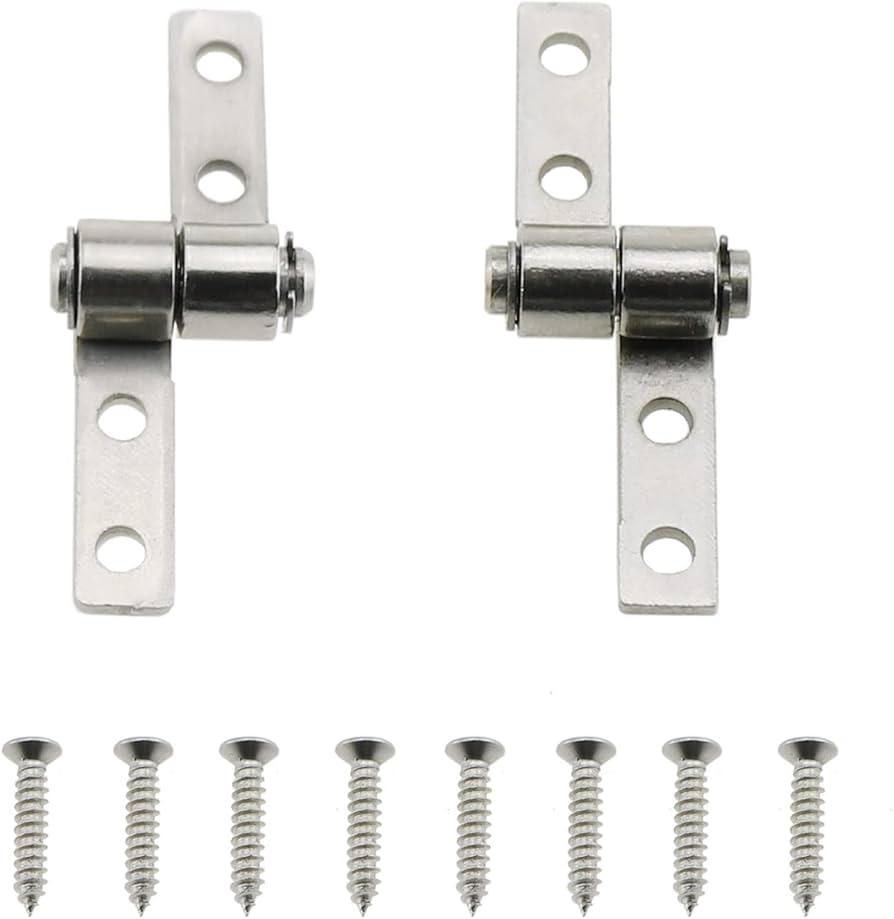
Figure 4: 360-degree torque friction hinges provide the robust stability required for commercial POS terminals and kiosks.
4. Office Machinery: Protecting Delicate Components
Beyond displays and seating, office equipment such as printers, copiers, and heavy-duty scanners rely heavily on rotary dampers.
When a user closes a heavy scanner lid or a printer paper tray, an ergonomic office furniture rotary damper absorbs the kinetic energy. This converts a potentially loud and damaging slam into a slow, controlled, and silent closure.
In office machinery, dampers serve two primary functions:
1.Protection: They protect delicate optical sensors and glass platens from shock damage caused by slamming lids.
2.Acoustics: They reduce noise pollution in open-plan offices, contributing to a calmer, more focused work environment.
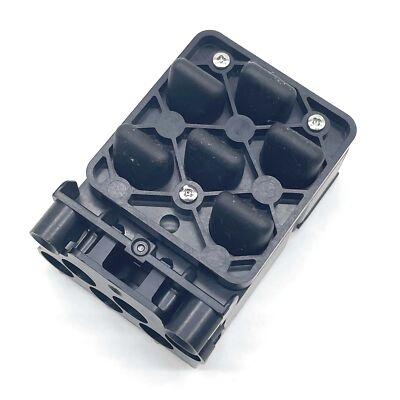
Figure 5: Rotary dampers integrated into printer covers ensure a soft, silent close, protecting internal glass components.
5. Conclusion: Partnering for Ergonomic Excellence
As the demand for ergonomic office solutions continues to grow, manufacturers must prioritize the quality of their motion control components. A monitor arm that droops or a chair armrest that rattles will quickly damage a brand’s reputation.
By partnering with a specialized OEM manufacturer like Janhinge, office equipment designers gain access to custom torque engineering, rigorous lifecycle testing, and scalable production.
Contact the Janhinge engineering team today to discuss your specific friction hinge or rotary damper requirements, and let us help you build the next generation of ergonomic office equipment.
6. Frequently Asked Questions (FAQ)
Q1: What is “spring-back” in a monitor arm hinge, and how do you prevent it?
A: Spring-back occurs when you adjust a monitor to a specific angle, let go, and the screen bounces back slightly from your desired position. It is caused by elasticity in the hinge components. Janhinge prevents this by using ultra-rigid hardened steel shafts and precision-machined friction plates that eliminate internal play.
Q2: Can you design a friction hinge that is easy to lift but hard to push down?
A: Yes. This is called an asymmetric friction hinge. By engineering the internal friction bands to grip tighter in one direction of rotation than the other, we can counteract the weight of a heavy monitor (making it hard to push down) while making it effortless for the user to lift the screen upward.
Q3: How do you test the lifespan of hinges used in POS terminals?
A: POS terminals endure heavy abuse. We test these hinges on automated rigs that simulate not only the rotational adjustment (opening/closing) but also the repetitive tapping force of a user interacting with the touchscreen, ensuring the hinge maintains its holding torque over 50,000+ cycles.
Q4: What type of damper is best for a heavy office printer lid?
A: For heavy lids, we typically recommend a high-torque vane damper or a robust gear damper. These dampers use high-viscosity silicone oil to absorb significant kinetic energy, ensuring the heavy plastic lid closes softly and does not shatter the scanner glass beneath it.
Q5: Do you offer custom torque settings for different sizes of monitor arms?
A: Absolutely. A hinge designed for a 15-inch lightweight tablet will not hold a 34-inch curved ultrawide monitor. We customize the internal friction torque of our hinges to perfectly match the specific weight and lever arm dimensions of your display equipment.