
In the complex world of global supply chain management, finding a supplier is easy. Finding the right supplier is the true challenge. For procurement teams sourcing motion control components, the stakes are particularly high. A rotary damper is a precision-engineered component; if it fails, the entire user experience of the final product fails with it.
When you type “rotary damper manufacturer China” or “soft close hinge supplier OEM” into a B2B sourcing platform, you are instantly flooded with thousands of results. Many of these listings look identical, boasting low prices, fast shipping, and “high quality.” But how do you separate the world-class manufacturing partners from the high-risk trading companies?
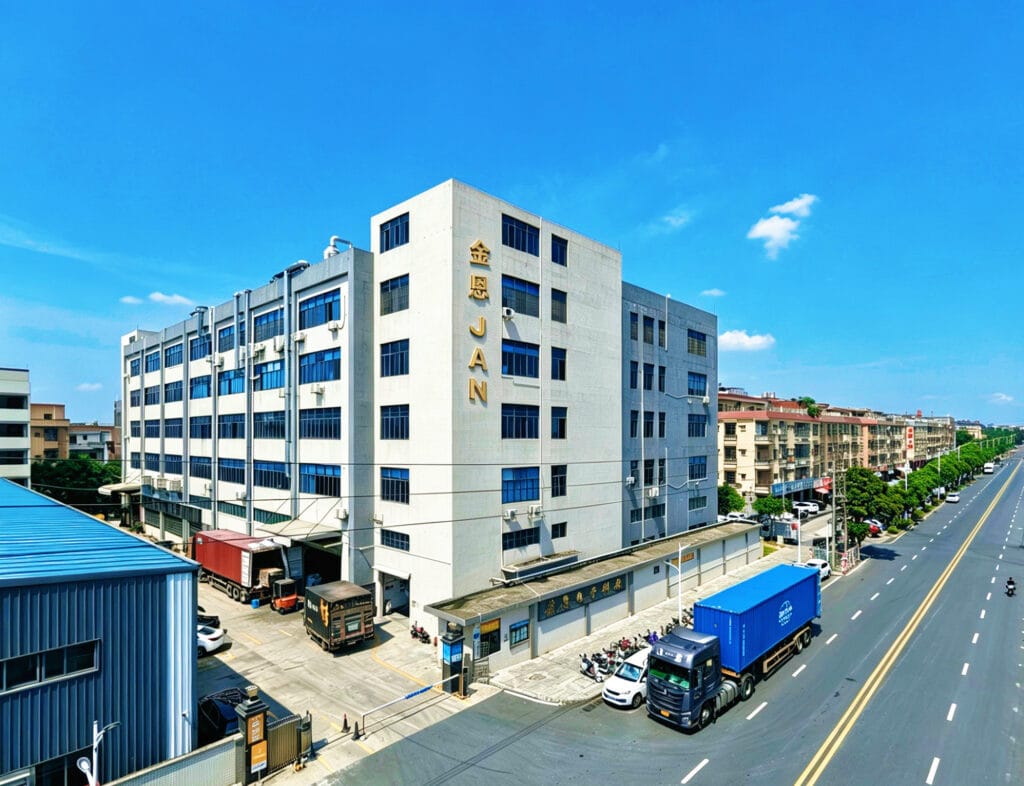
At Janhinge, we believe in transparency. As a leading torque hinge manufacturer China and OEM manufacturing partner, we regularly host audits from some of the world’s most demanding engineering teams. In this guide, we will share the insider secrets of supplier evaluation, highlighting the five major red flags you must watch out for when vetting a new rotary damper partner.
Red Flag 1: The “Everything to Everyone” Product Catalog
A true manufacturer specializes. If you are evaluating a damper hinge wholesale supplier and their catalog includes rotary dampers, LED light bulbs, plastic toys, and phone cases, you are almost certainly dealing with a trading company (a middleman), not a factory.
Why This is a Risk:
Trading companies do not control the manufacturing process. They buy from the lowest bidder to maximize their margin. This means the dampers you receive in your first order might come from Factory A, while your second order comes from Factory B. The result is wildly inconsistent torque, varying dimensions, and unpredictable quality.
The Janhinge Standard: We only manufacture motion control components. Our entire facility, from our CNC mold-making department to our automated assembly lines, is dedicated exclusively to rotary dampers and friction hinges.
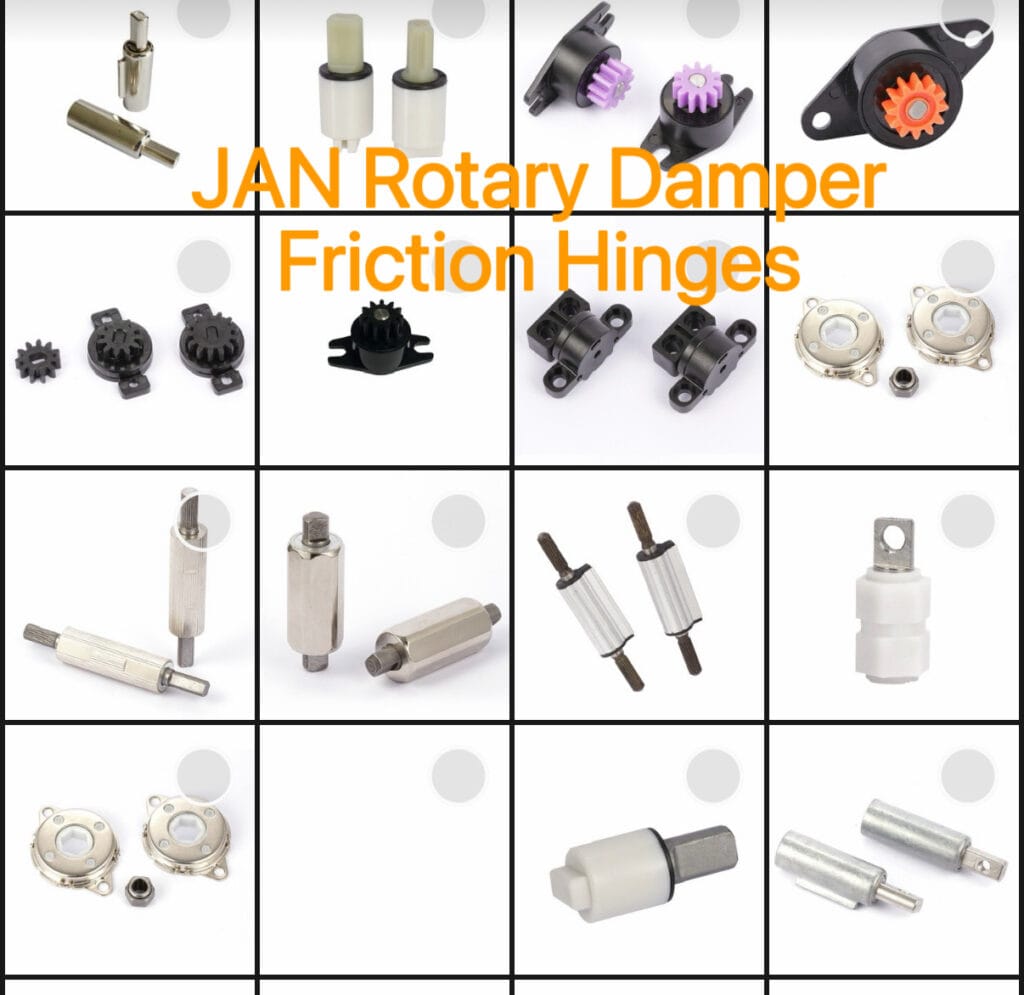

Figure 1: A specialized manufacturer focuses entirely on a comprehensive range of motion control solutions.
Red Flag 2: Manual Assembly and Oil Filling
The resistance in a rotary damper is generated by the shear force of high-viscosity silicone oil. The volume of oil injected into the damper housing must be exact down to the milligram.
If you tour a factory (or view their promotional videos) and see workers manually squirting oil into dampers using syringes, walk away immediately.
Why This is a Risk:
Manual filling guarantees inconsistency. A worker might under-fill one damper (resulting in a lid that slams) and over-fill the next (resulting in a lid that won’t close). Furthermore, manual assembly often traps air bubbles inside the oil chamber, which creates a “spongy” or jerky damping feel.
The Janhinge Standard: We utilize fully automated, pneumatic dispensing systems. These robotic stations inject the silicone oil with absolute precision in a controlled environment, eliminating human error and air entrapment.
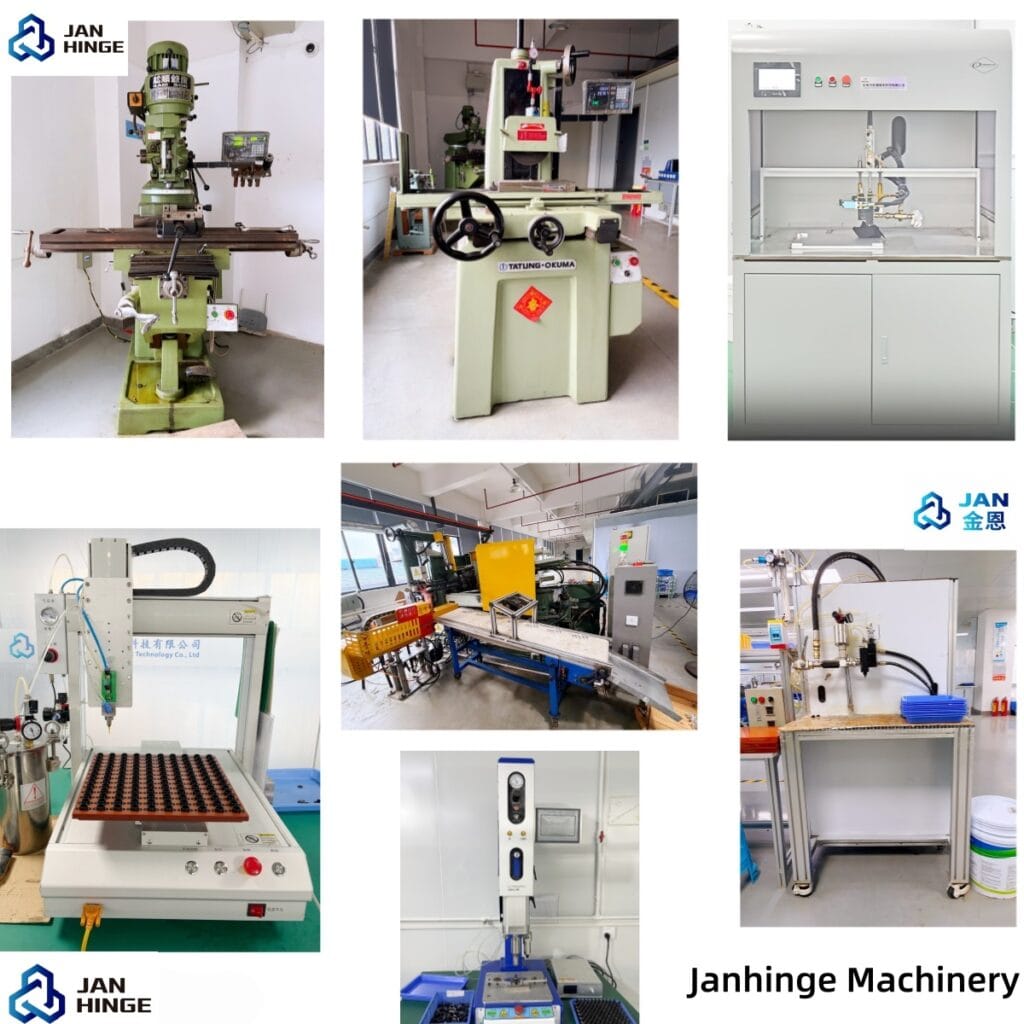

Figure 2: Automated assembly lines are essential for maintaining consistent quality in high-volume OEM production.
Red Flag 3: Lack of 100% Automated Torque Inspection
Ask the supplier: “How do you test the final torque of your dampers?”
If their answer is “We use AQL (Acceptable Quality Limit) sampling,” or “Our workers test them by hand,” you are exposing your brand to significant risk.
Why This is a Risk:
In motion control, statistical sampling is not enough. If a supplier tests 5% of a batch, the other 95% are shipped blindly. Manual testing is subjective and prone to fatigue; a worker might pass a damper that is 15% out of spec simply because they have tested 2,000 units that day.
The Janhinge Standard: We employ a 100% automated torque inspection policy. At the end of the assembly line, every single damper is placed into a computer-controlled testing rig. The machine measures the exact torque output and automatically rejects any unit that falls outside the specified tolerance window (typically ±10%).
Red Flag 4: Unverified Materials and “Regrind” Plastic
The housing of a rotary damper must withstand internal fluid pressure and external mechanical stress. The best housings are made from virgin engineering plastics like POM (Polyoxymethylene) or PC (Polycarbonate).
Why This is a Risk:
A common cost-cutting tactic among low-tier suppliers is the use of “regrind” plastic—scrap material that has been melted down and reused. Regrind plastic has severely compromised structural integrity. Under the continuous stress of rotational torque, a damper housing made from regrind plastic will eventually crack, leading to catastrophic oil leakage.
The Janhinge Standard: We use only 100% virgin engineering resins and premium imported silicone oils. We provide SGS or TUV material certification reports for every batch of raw material we purchase, ensuring complete traceability.
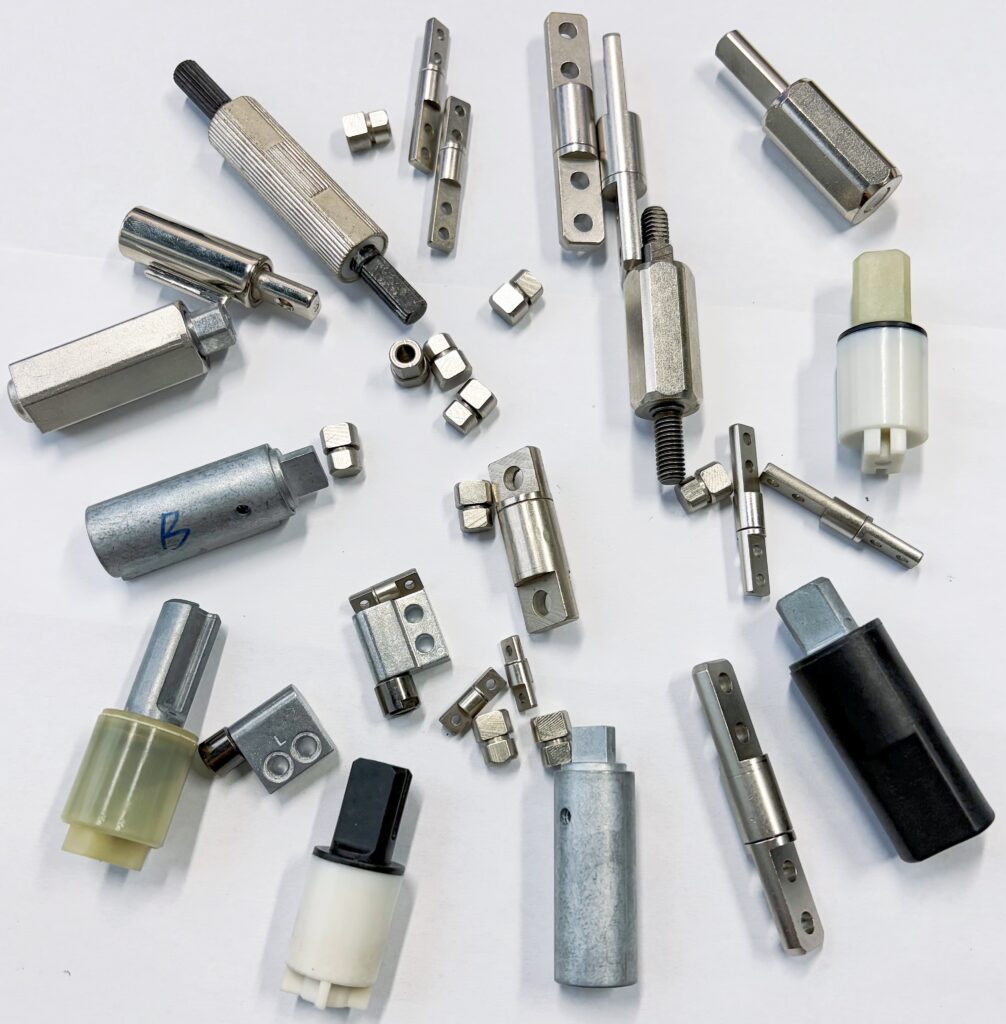
Figure 5: High-quality disk rotary dampers require virgin engineering plastics to prevent housing cracks and oil leaks.
Red Flag 5: No In-House Lifecycle Testing Lab
If a supplier claims their dampers last “50,000 cycles” but cannot show you the testing machines or provide a certified test report showing the torque decay curve, they are guessing.
Why This is a Risk:
In OEM manufacturing, guessing leads to field failures and warranty claims. A damper might feel perfect on day one, but if the internal vanes wear down or the silicone oil degrades, the torque will drop sharply after just a few thousand cycles.
The Janhinge Standard: We operate a comprehensive in-house testing laboratory. Our automated lifecycle testing rigs continuously cycle dampers under simulated real-world loads. We guarantee that our premium dampers will maintain over 85% of their initial torque even after 50,000 to 100,000 cycles.

Figure 4: A rigorous supplier evaluation checklist must include audits of the manufacturer’s in-house testing capabilities.
Conclusion: Partnering for Success
When you search for how to choose rotary damper supplier, remember that the lowest unit price often hides the highest total cost of ownership. Product recalls, brand damage, and assembly line downtime are far more expensive than investing in a quality component from the start.
By partnering with a verified, direct OEM factory like Janhinge, you secure a reliable supply chain, consistent quality, and the engineering support necessary to elevate your product’s design.
Contact the Janhinge engineering team today to request our ISO 9001:2015 certifications, review our testing reports, or schedule a virtual or in-person factory audit.
Frequently Asked Questions (FAQ)
Q1: Why is it important to buy directly from a “rotary damper manufacturer China” rather than a trading company?
A: Buying directly from the manufacturer ensures you get factory-direct pricing, direct communication with the engineers designing your product, and consistent quality control. Trading companies often switch factories to increase their margins, leading to unpredictable quality.
Q2: What certifications should a reliable “soft close hinge supplier OEM” possess?
A: At a minimum, the supplier should hold ISO 9001:2015 certification for quality management. If you are in the automotive sector, IATF 16949 is mandatory. Additionally, their products should comply with REACH and RoHS environmental standards for global export.
Q3: How can I verify if a “torque hinge manufacturer China” is using virgin plastic or cheap regrind plastic?
A: Ask the supplier for material traceability records and third-party testing reports (like SGS or TUV) for their raw materials. During a factory audit, inspect their injection molding area; a reputable factory will have clear protocols for handling and separating scrap material.
Q4: What is the standard lead time for a “damper hinge wholesale” bulk order?
A: For a specialized manufacturer with automated production lines like Janhinge, standard lead times for bulk orders (e.g., 50,000+ pieces) of existing models are typically 10 to 15 days. Custom OEM designs requiring new tooling will take longer, usually around 20 days for initial prototypes.
Q5: If I need a custom torque setting, how does the engineering process work?
A: You provide us with your product’s weight, dimensions, and desired closing speed (or holding angle). Our engineering team calculates the required torque and adjusts the internal silicone oil viscosity or friction plate tension to match. We then produce custom samples for your R&D team to test and validate.