
In the intricate world of mechanical design, the difference between a product that feels cheap and one that exudes premium quality often comes down to a single, unassuming component: the motion control hinge. While the basic premise of a damper—slowing down motion—is simple, the engineering behind it is anything but.
From the fluid dynamics of silicone oil to the precise geometry of internal vanes, specifying the right component requires a deep understanding of mechanical forces. For engineers and procurement professionals tasked with sourcing components for industrial machinery, office equipment, or high-end consumer goods, navigating the myriad of options can be daunting.
This guide was developed by the engineering team at Janhinge, breaks down the different rotary damper types, explains the mechanics of a soft close damper, and explores the applications of the free stop hinge.
1. Understanding Rotary Damper Types
Not all rotary dampers are created equal. The internal architecture of the damper dictates its torque capacity, rotational limits, and ideal applications. There are three primary rotary damper types used in modern manufacturing:
1.1 Vane Dampers (Limited Rotation)
Vane dampers are designed for applications where the rotational movement is limited, typically to an angle of 110° to 130°. Inside the housing, a central rotor is equipped with one or more “vanes” (paddles) that push against highly viscous silicone oil.
Because the fluid is trapped within a confined chamber, vane dampers can generate exceptionally high torque relative to their size.
•Best for: Heavy lids and doors that only open to a specific angle.
•Applications: Piano lids, heavy industrial printer covers, commercial freezer lids, and large medical diagnostic equipment panels.
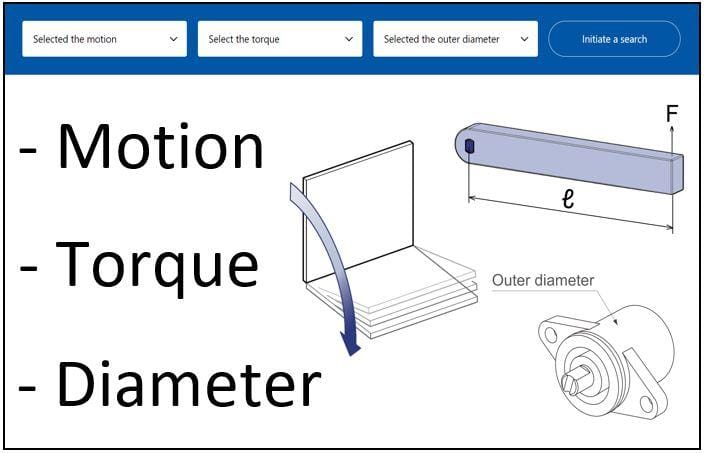
Figure 1: A selection guide illustrating the internal structure of a vane damper, showing the rotor pushing fluid through narrow throttling channels.
1.2 Gear Dampers (Continuous Rotation)
Unlike vane dampers, gear dampers allow for continuous, 360-degree rotation. The external rotor is fitted with a gear that meshes with a corresponding rack or gear on the moving component. Inside, a disc or barrel spins continuously through the silicone oil.
Because they do not have a confined fluid chamber, gear dampers generally provide lower torque than vane dampers of the same size. However, their continuous rotation makes them incredibly versatile.
•Best for: Sliding mechanisms, retractable trays, and continuous rotary motion.
•Applications: Sliding doors in automotive interiors, retractable cup holders, CD/DVD trays in office copiers, and automated vending machine dispensing flaps.
1.3 Barrel Dampers (Compact Axial Damping)
Barrel dampers (also known as axial dampers) are cylindrical and are designed to be inserted directly into the hinge axis of a product. The outer barrel remains stationary while the inner shaft rotates, shearing the silicone oil between the two surfaces.
•Best for: Applications with extreme space constraints where the damper must be hidden within the hinge joint itself.
•Applications: Automotive grab handles, overhead sunglass compartments, and small consumer electronics lids.
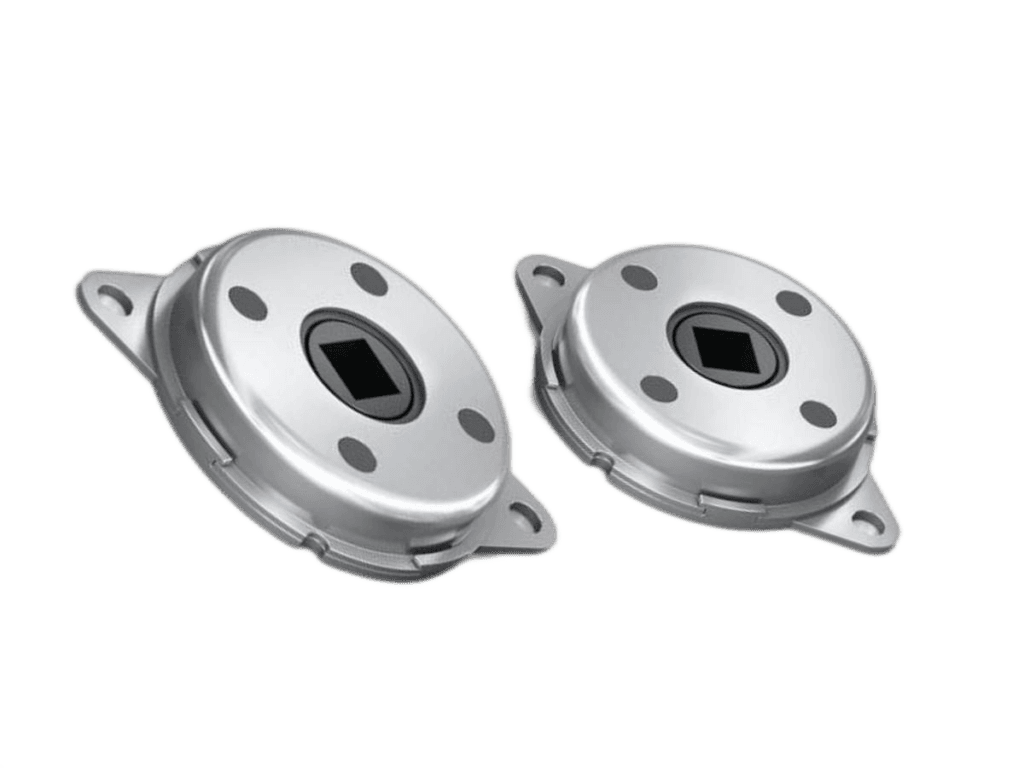
Figure 2: Comparison of one-way and two-way rotary damper types, highlighting their different internal mechanisms.
2. The Mechanics of the Soft Close Damper
The “soft-close” feature has become an expected standard in modern homes and vehicles. But how exactly does a soft close damper work?
2.1 Converting Kinetic Energy
When a user pushes a cabinet door or drops a heavy lid, that object possesses kinetic energy. If left unchecked, this energy results in a violent, noisy impact. A soft close damper acts as a shock absorber.
As the door reaches the final stages of closing, it engages the damper. The mechanical force of the closing door pushes the internal rotor (or piston) through the silicone oil. The fluid resistance (shear force) absorbs the kinetic energy, converting it into a negligible amount of heat, and slowing the door to a silent, controlled stop.
2.2 The Damper Hinge for Cabinet Applications
In the furniture industry, the damper hinge for cabinet doors is a critical component. These hinges typically integrate a miniature hydraulic cylinder or a rotary damper directly into the hinge cup.
For wholesale buyers and furniture OEMs, the quality of this damper is paramount. A low-quality damper will leak oil or lose its damping force after a few thousand cycles, leading to slamming doors and warranty claims. Janhinge manufactures premium cabinet dampers tested to exceed 50,000 cycles with zero oil leakage.
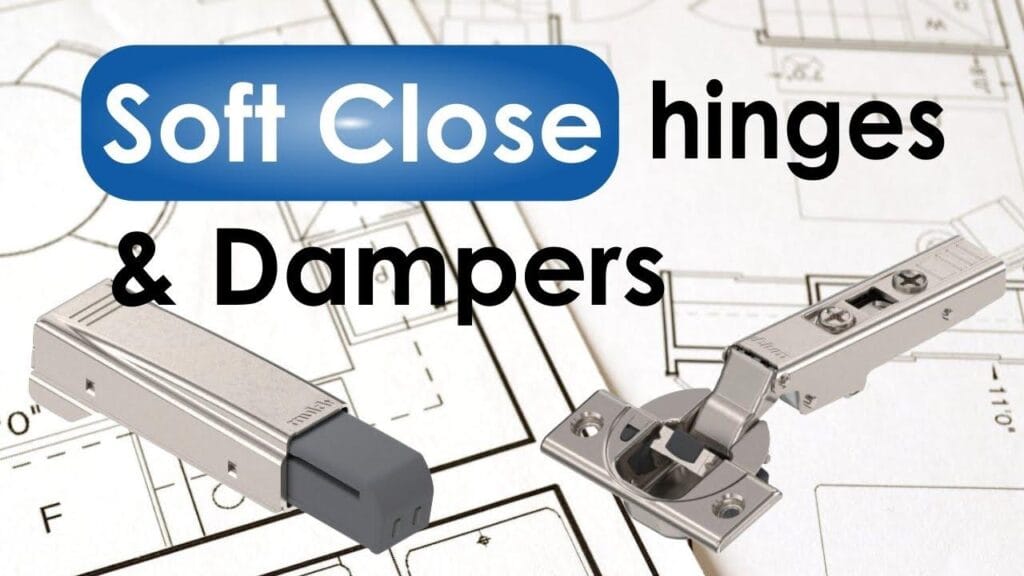
Figure 3: A high-quality damper hinge for cabinet applications, integrating a soft-close mechanism directly into the hinge arm.
3. Mastering Position: The Free Stop Hinge
While rotary dampers control the speed of motion, a position hinge (also known as a friction hinge or torque hinge) controls the position of an object.
3.1 The “Any Angle” Hold
A free stop hinge relies on controlled mechanical interference—usually between a hardened steel shaft and specialized friction bands or disks—to generate a constant holding torque.
Unlike a standard hinge that swings freely, a free stop hinge resists motion until a specific force is applied by the user. Once the user stops applying force, the hinge holds the object perfectly still at that exact angle.
3.2 Applications of Position Hinges
This “any angle hold” capability is essential for ergonomic design across multiple industries:
•Consumer Electronics: Laptops and 2-in-1 tablets rely on miniature position hinges to hold the heavy screen upright against gravity and typing vibrations.
•Medical Equipment: Diagnostic monitors and surgical lighting arms use heavy-duty friction hinges to allow doctors to position screens with one hand, knowing they will not sag or drift.
•Industrial Machinery: Heavy protective covers on CNC machines use asymmetric position hinges, making it easy for operators to lift the heavy cover, while providing high resistance to prevent it from falling shut.
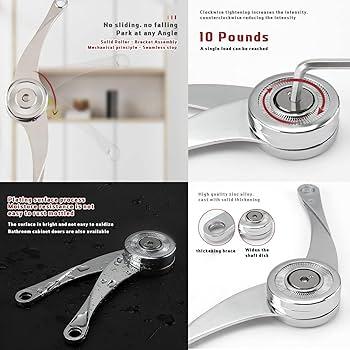
Figure 4: A free stop hinge mechanism designed to hold heavy lids and access panels securely at any angle.
4. Partnering with a Motion Control Expert
Selecting the right motion control component is not a matter of browsing a catalog; it requires precise engineering calculations. The weight of the object, the distance to its center of gravity, the desired closing speed, and the operating temperature range must all be factored into the torque equation.
As a direct OEM manufacturer, Janhinge provides the engineering expertise necessary to navigate these complexities. We offer:
•Custom Torque Profiling: We tune the silicone oil viscosity and internal friction to match your exact product specifications.
•100% Automated Testing: Every damper and hinge we produce undergoes automated torque inspection to guarantee consistency.
•Rapid Prototyping: We deliver custom-machined functional prototypes within days to accelerate your R&D process.
Contact the Janhinge engineering team today to discuss your specific motion control challenges and request technical samples.
5. Frequently Asked Questions (FAQ)
Q1: What is the difference between a one-way and a two-way rotary damper?
A: A two-way damper provides resistance in both directions of rotation (clockwise and counter-clockwise). A one-way damper provides resistance in only one direction, allowing for free, unhindered movement in the opposite direction. One-way dampers are commonly used in toilet seats and glove boxes, where you want the lid to open easily but close slowly.
Q2: Can I adjust the torque of a soft close damper after it is installed?
A: Most standard rotary dampers have a fixed torque set at the factory based on the silicone oil viscosity. However, for specific applications like heavy cabinet doors, we manufacture adjustable damper hinges that feature a small screw to fine-tune the closing speed.
Q3: Why does my laptop screen hinge (position hinge) feel looser after a year of use?
A: All friction hinges experience some wear over time, leading to torque degradation. Low-quality hinges wear out quickly. Janhinge utilizes specialized hardened steel and proprietary lubrication to ensure our position hinges maintain over 85% of their holding torque even after 30,000 adjustment cycles.
Q4: How do I know which rotary damper type (vane, gear, or barrel) is right for my product?
A: It depends on your space constraints and rotation angle. If you need 360-degree continuous rotation, you must use a gear damper. If you have a heavy lid that only opens 90 degrees, a vane damper will provide the highest torque. If space is extremely tight, a barrel damper inserted into the hinge axis is best. Our engineers can help you make the final selection.
Q5: Can I retrofit a soft close damper onto my existing kitchen cabinets?
A: Yes. If you do not want to replace the entire hinge, Janhinge manufactures standalone soft-close adapter dampers. These small hydraulic cylinders can be screwed directly into the cabinet frame next to the existing standard hinge to provide a soft-close effect.