
For procurement managers and supply chain directors, sourcing motion control components is a delicate balancing act. You must secure a competitive damper hinge price without compromising the mechanical integrity of your final product. A cheap damper that leaks oil will ultimately cost your company thousands of dollars in warranty claims and brand damage.
Understanding the true rotary damper cost requires looking beyond the initial quotation. It involves analyzing the materials, the manufacturing process, and the hidden costs of poor quality control.
In this comprehensive guide, the commercial team at Janhinge breaks down the factors that influence pricing, explains how to secure the best soft close hinge bulk price, and outlines the process for requesting an OEM hinge sample from a direct factory in China.
1. What Determines the Rotary Damper Cost?
When you receive a quotation for a rotary damper or friction hinge, the unit price is determined by four primary cost drivers:
1.1 Raw Material Quality
The materials used dictate the lifespan and reliability of the damper.
•Housing: A damper made from cheap, recycled ABS plastic will cost significantly less than one made from virgin POM (Polyoxymethylene) or die-cast zinc alloy. However, the ABS housing is highly likely to crack under rotational stress.
•Silicone Oil: Premium, temperature-stable silicone oil (High Viscosity Index) is more expensive than standard industrial lubricants, but it ensures the damper performs consistently in both freezing winters and scorching summers.
1.2 Manufacturing Precision (Tooling)
The gap between the internal rotor and the outer housing must be machined to micron-level tolerances. If a factory uses cheap, degraded injection molds, the resulting dampers will have inconsistent torque. High-quality CNC tooling is a significant upfront investment for the manufacturer, which is reflected in the unit price but guarantees consistency across millions of units.
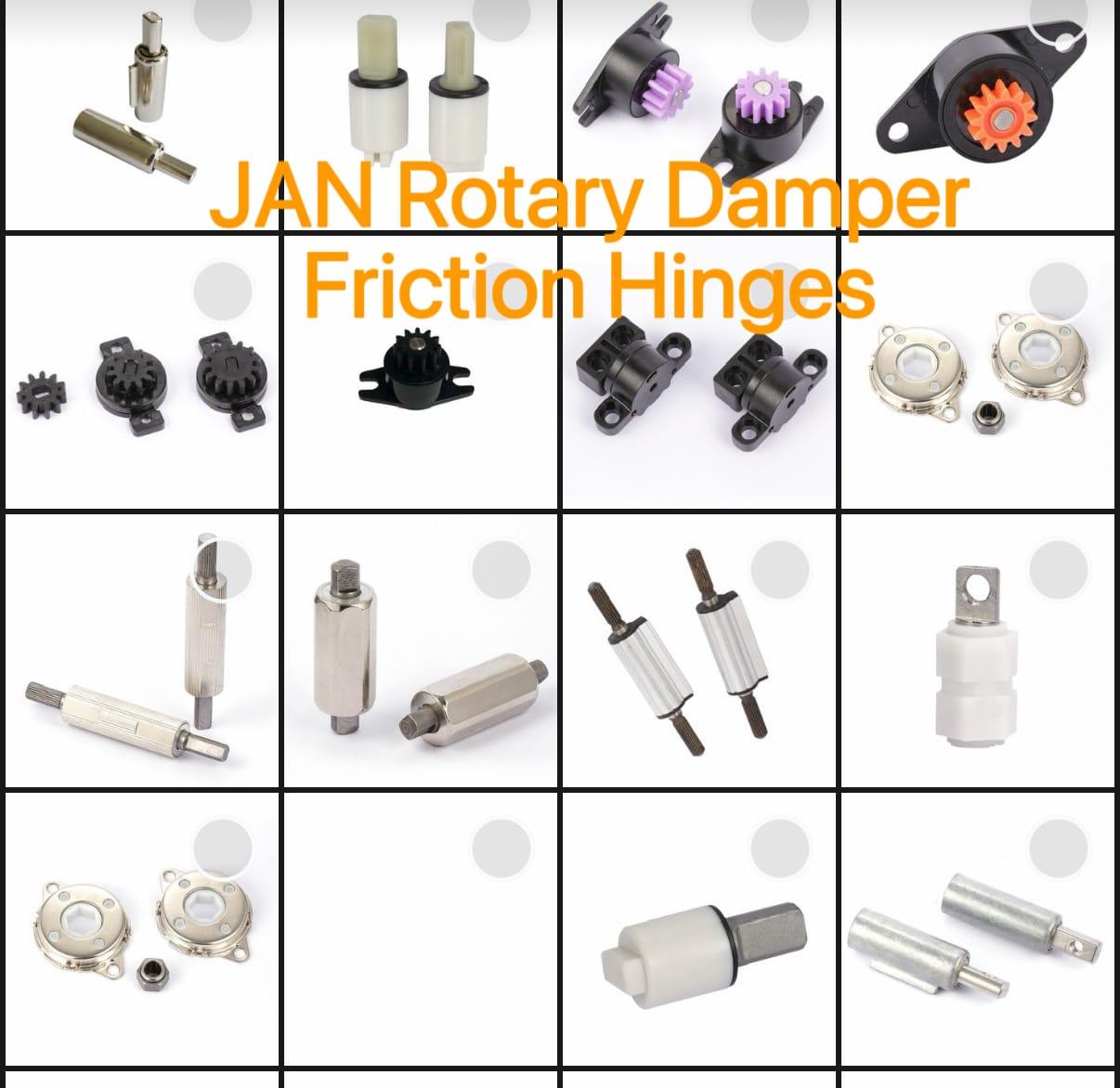
Figure 1: Precision engineering and high-quality materials are the primary drivers of rotary damper cost.
1.3 Automated Assembly vs. Manual Labor
A factory that manually injects silicone oil into dampers can offer a lower initial price because manual labor is cheaper than robotic automation. However, manual filling leads to inconsistent oil volumes and trapped air bubbles. Janhinge utilizes fully automated, pneumatic dispensing systems. While the capital expenditure for these machines is high, it eliminates human error and ensures a zero-defect rate.
1.4 100% Quality Inspection
If a supplier only tests 5% of a batch (AQL sampling), their overhead costs are lower. Janhinge employs a 100% automated torque inspection policy. Every single damper is tested on a rig before shipping. This rigorous quality control adds a fraction of a cent to the unit cost but saves our OEM clients from catastrophic field failures.
2. Navigating the Friction Hinge Quote Process
When requesting a friction hinge quote or a rotary damper estimate, providing detailed technical specifications upfront will ensure you receive an accurate and competitive price.
2.1 Information to Provide Your Supplier
To avoid hidden costs and multiple revision rounds, provide the following details in your initial RFQ (Request for Quotation):
1.Application Details: What is the damper being used for? (e.g., a 2kg toilet seat, a 0.5kg laptop screen, a heavy industrial cover).
2.Torque Requirements: If known, specify the required torque (e.g., 2.0 N·m). If unknown, provide the weight and dimensions of the moving part, and our engineers will calculate it for you.
3.Operating Environment: Will the product be used indoors, outdoors, or in extreme temperatures?
4.Estimated Annual Volume (EAU): This is critical for securing the best soft close hinge bulk price.
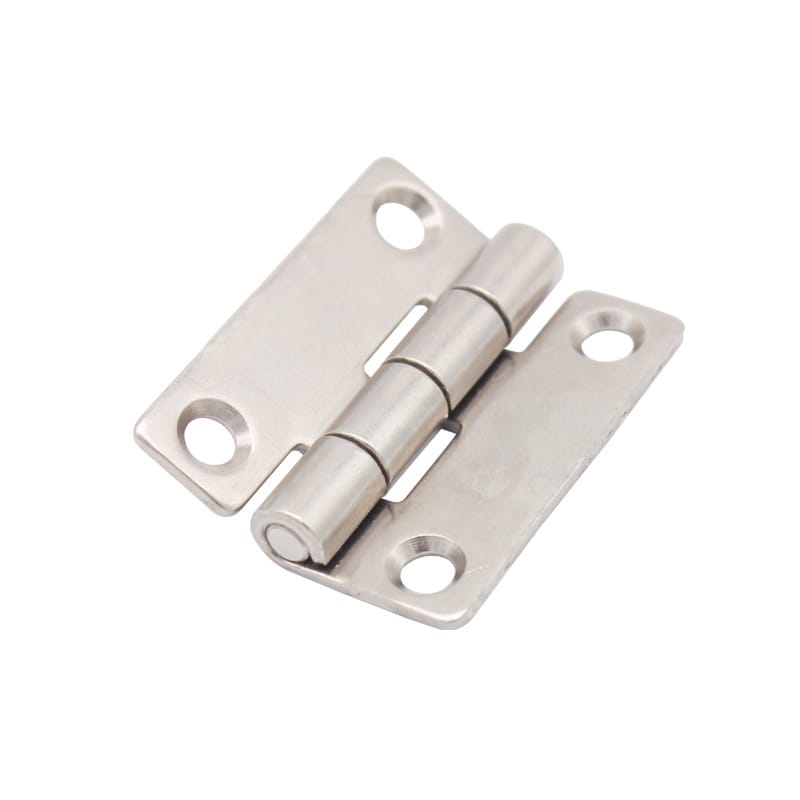
Figure 2: Providing detailed application data ensures an accurate friction hinge quote and optimal performance.
3. Securing the Best Soft Close Hinge Bulk Price
The most effective way to reduce your unit cost is through economies of scale and direct factory partnerships.
3.1 Eliminate the Middleman
Many companies unknowingly buy from trading companies rather than direct manufacturers. Trading companies add a 20% to 40% markup. By partnering directly with a rotary damper factory like Janhinge, you access true wholesale pricing.
3.2 Standard vs. Custom Tooling
If your application can utilize one of our hundreds of existing, off-the-shelf damper housings, you avoid the cost of new injection molds. We can simply adjust the internal silicone oil viscosity to match your torque requirements, providing a custom feel at a standard bulk price.
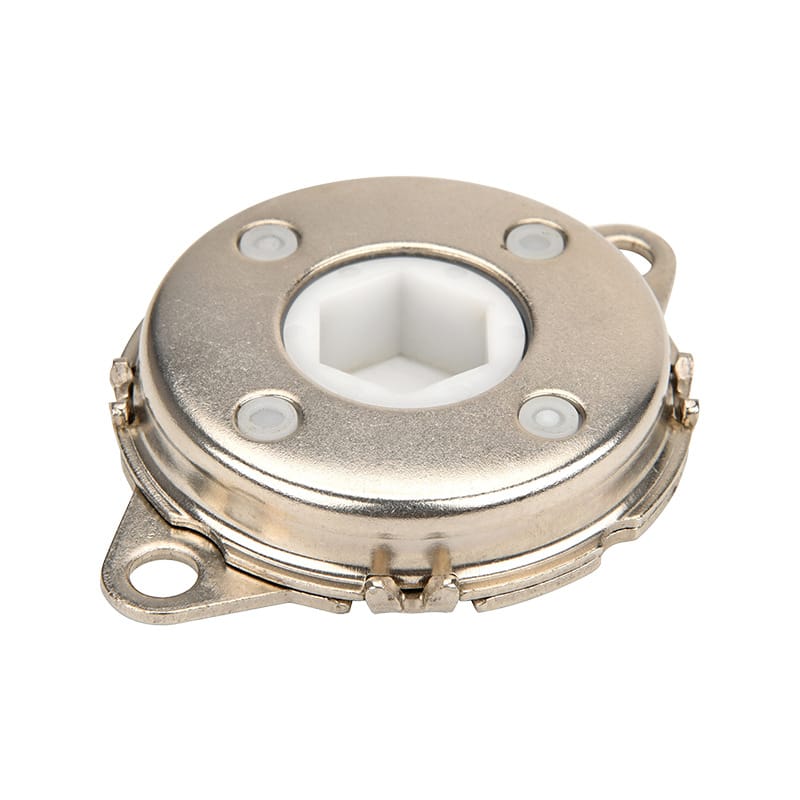
Figure 3: Partnering directly with a China-based OEM factory eliminates middleman markups and ensures competitive bulk pricing.
4. The OEM Hinge Sample Request Process
Before committing to a bulk order of 100,000 units, you must validate the component in your actual product. Requesting an OEM hinge sample is a critical step in the procurement process.
4.1 Step 1: Engineering Consultation
The process begins with a technical review. You send us your CAD drawings or physical product details. Our engineering team analyzes the kinematics and recommends the optimal damper or friction hinge.
4.2 Step 2: Sample Production
•Standard Samples: If your requirement matches an existing mold, we can tune the torque and ship standard samples within 1 to 3 business days.
•Custom OEM Samples: If your product requires a completely unique housing or shaft design, we will manufacture a custom prototype using our in-house CNC machines. This process typically takes 15 to 20 days.
4.3 Step 3: Testing and Validation
Once you receive the samples, install them in your prototype. Test the closing speed, the tactile feel, and the holding force. If the torque needs adjustment (e.g., “make it close 1 second faster”), provide feedback to our team. We will adjust the fluid viscosity and send a revised sample round.
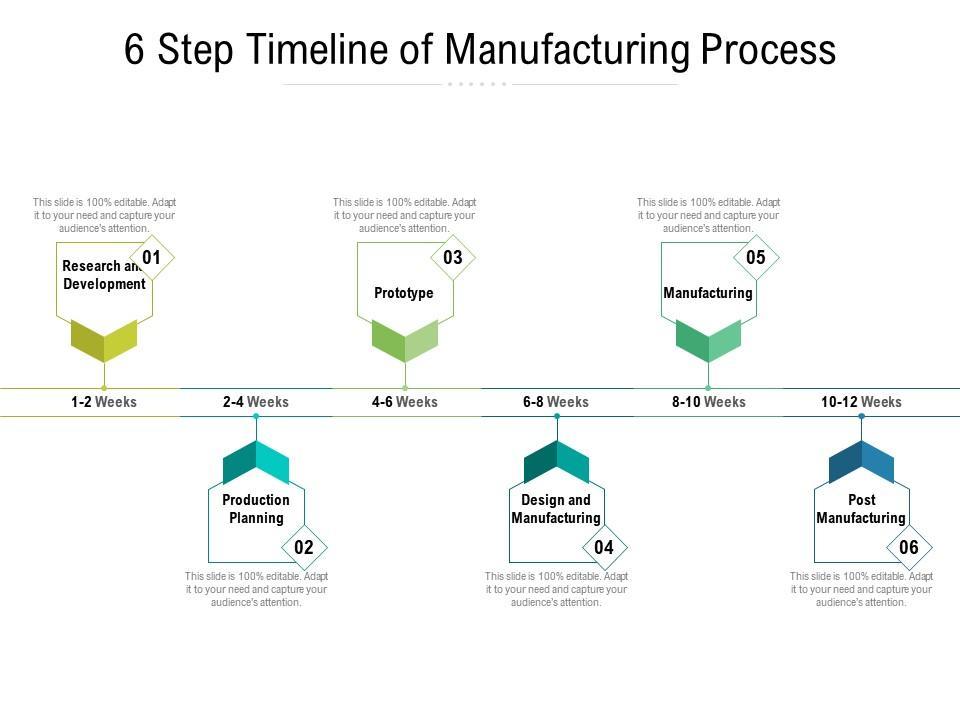
Figure 4: The timeline from initial OEM sample request to final mass production validation.
5. Conclusion
In the world of motion control, price is what you pay, but value is what you get. A slightly higher initial rotary damper cost from a verified, automated factory will always yield a better ROI than a cheap component that fails in the field.
By understanding the cost drivers, providing detailed RFQs, and utilizing the OEM sample process, procurement teams can secure reliable, high-performance motion control solutions at highly competitive wholesale prices.
Contact the Janhinge commercial team today to request a formal quotation, discuss bulk pricing tiers, or initiate your custom OEM sample request.
6. Frequently Asked Questions (FAQ)
Q1: Do you charge for OEM hinge samples?
A: For standard, off-the-shelf dampers and hinges, we typically provide a small number of samples free of charge; the customer is only responsible for the express shipping cost (e.g., DHL/FedEx). For completely custom OEM designs that require new CNC machining or tooling, a sample/tooling fee will apply, which is often refundable upon placing a bulk mass-production order.
Q2: What is the Minimum Order Quantity (MOQ) to get the best soft close hinge bulk price?
A: While we support small batch orders for initial production runs, the most significant price breaks (economies of scale) typically occur at volumes of 10,000, 50,000, and 100,000+ units per order.
Q3: Why did I receive a much cheaper friction hinge quote from another supplier?
A: A drastically lower price usually indicates compromised materials (using regrind plastic instead of virgin POM), manual assembly (leading to inconsistent torque), or a lack of 100% automated quality inspection. We encourage buyers to request samples from both suppliers and perform a teardown comparison.
Q4: How long does shipping take for bulk orders from your China factory?
A: For standard models, our production lead time is typically 10 to 15 days. Shipping time depends on the method: Air freight takes 3-7 days, while ocean freight (the most cost-effective for bulk orders) takes 25-40 days depending on the destination port.
Q5: Can you lock in a damper hinge price for a long-term contract?
A: Yes. For our strategic OEM partners, we offer long-term supply agreements. We can lock in pricing for 6 to 12 months, mitigating your risk against raw material price fluctuations and ensuring stable supply chain budgeting.