
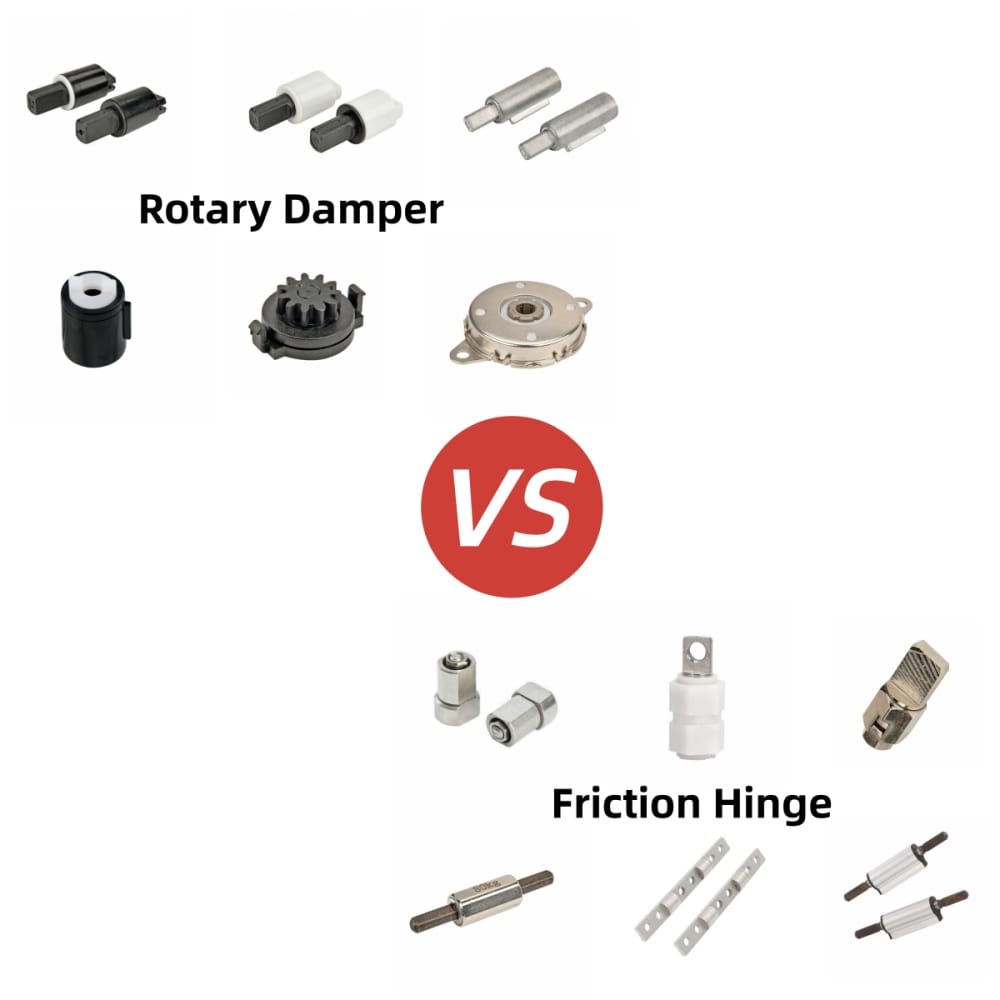
In the world of product design and manufacturing, motion control components are often misunderstood. When a cabinet door slams or a laptop screen refuses to stay upright, consumers and engineers alike turn to search engines for answers.
At Janhinge, we receive thousands of inquiries every year regarding the mechanics, selection, and maintenance of our products. To help demystify this critical engineering field, we have compiled this comprehensive guide addressing the most frequently searched questions on Google regarding rotary dampers and friction hinges.
1. What is a Rotary Damper?
If you have ever wondered why the glove box in a luxury car glides open smoothly instead of dropping onto your knees, you have experienced a rotary damper in action.
So, what is a rotary damper?
A rotary damper is a compact mechanical component designed to control the speed and deceleration of a rotating object. It does not generate motion; rather, it resists it.
Inside the plastic or metal housing of the damper, a rotor spins through a chamber filled with high-viscosity silicone oil. As the rotor turns, the fluid creates shear resistance (friction). This resistance absorbs the kinetic energy of the moving object (like a falling lid), converting that energy into a negligible amount of heat, and resulting in a slow, controlled, and silent motion.
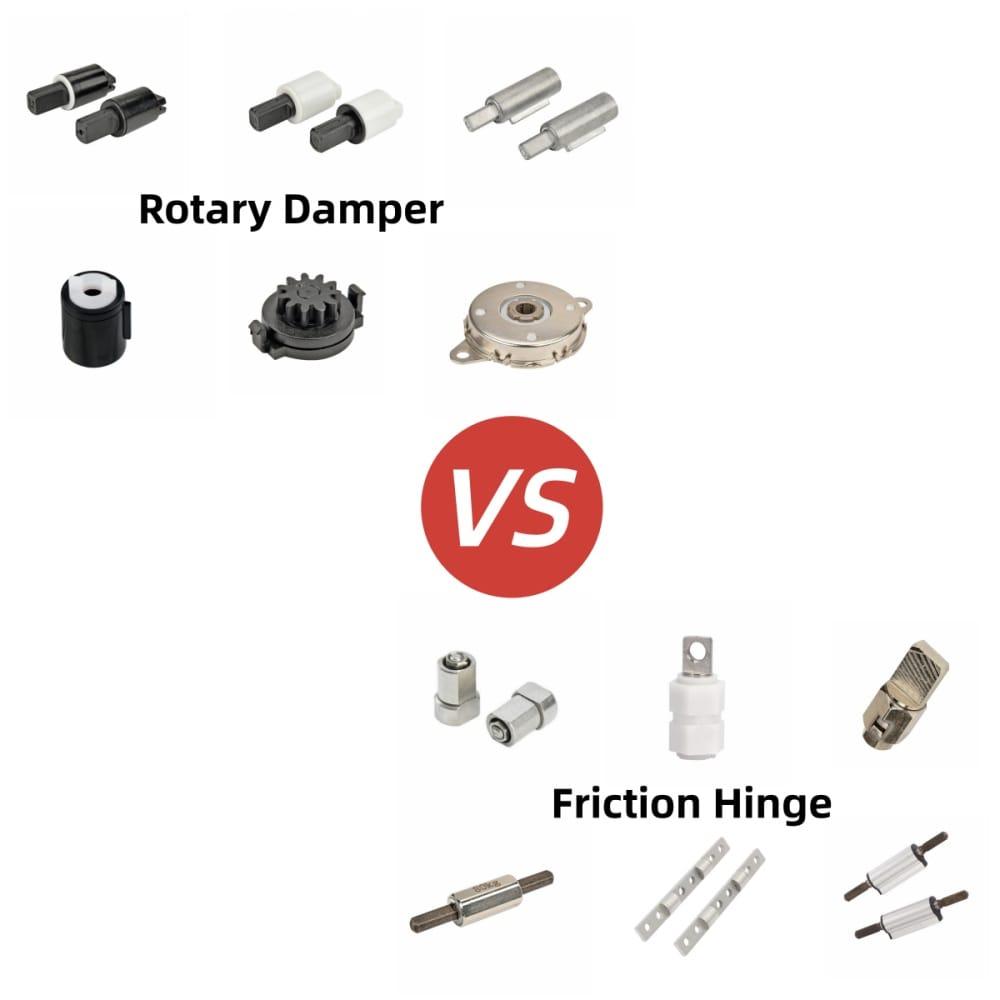
Figure 1: A rotary damper controls the speed of motion using fluid resistance, while a friction hinge controls the position using mechanical friction.
2. How Does a Soft Close Hinge Work?
The “soft-close” feature is now a standard expectation in modern kitchens, bathrooms, and furniture. But how does a soft close hinge work mechanically?
A soft-close hinge is essentially a standard hinge that has been upgraded with an integrated damping mechanism—typically a miniature hydraulic cylinder or a rotary damper.
The Mechanism in Action:
1.Free Movement: When you push a cabinet door closed, the hinge allows it to swing freely for the majority of its arc.
2.Engagement: As the door reaches the final 15 to 30 degrees of closure, the hinge arm makes contact with the internal damper piston or rotor.
3.Damping: The mechanical force of the closing door pushes the fluid (oil or gas) through a tiny orifice inside the damper. This fluid resistance acts as a shock absorber, slowing the door down to a gentle, silent stop, completely eliminating the “slam.”
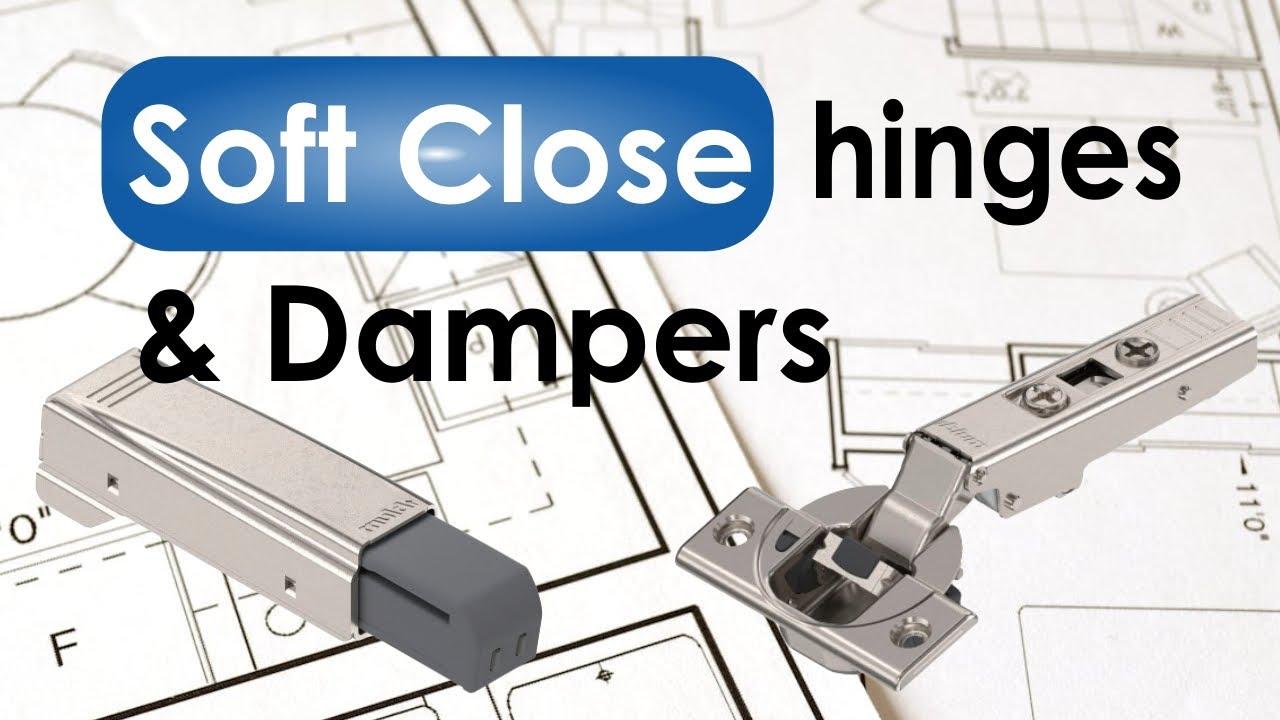
Figure 2: Soft-close hinges integrate a hydraulic or rotary damper directly into the hinge arm to absorb impact shock.
3. Friction Hinge vs. Standard Hinge: What is the Difference?
When designing a product with a lid, screen, or access panel, engineers must choose between a standard hinge and a friction hinge (also known as a torque hinge or position hinge).
Standard Hinge
A standard hinge (like a door hinge) is designed to minimize friction. It simply connects two objects and allows them to pivot freely. If you open a lid with a standard hinge and let go, gravity will immediately pull it shut.
Friction Hinge
In the friction hinge vs standard hinge debate, the friction hinge is designed to maximize controlled friction. It utilizes tightly compressed internal bands or disks against a central shaft to generate a constant holding torque.
When you open a laptop screen (which uses a friction hinge) and let go, the screen stays exactly where you left it. The internal friction counteracts the force of gravity, providing “free-stop” or “any-angle hold” functionality.
4. Troubleshooting: Rotary Damper Not Working
Even the highest quality components can fail if subjected to improper use or extreme conditions. If you find a rotary damper not working (e.g., a toilet seat or printer lid is suddenly slamming), here are the common causes and solutions:
4.1 Oil Leakage (The Most Common Failure)
If the damper housing cracks or the internal O-ring seal degrades, the silicone oil will leak out. Without the viscous fluid, there is no resistance, and the damper becomes useless.
•Fix: A leaking damper cannot be refilled or repaired. The entire damper cartridge must be replaced. To prevent this, ensure the damper is not subjected to radial (side-to-side) loads during installation.
4.2 Temperature Extremes
If the damper is installed in an outdoor environment (like an EV charging station) and it suddenly stops working in the winter, the silicone oil may have thickened too much, causing the mechanism to bind.
•Fix: Replace the damper with one that utilizes High Viscosity Index (HVI) silicone oil, which remains stable in extreme cold.
4.3 Broken Internal Vanes
If a user forcefully pushes a soft-close lid down manually, the immense pressure spike can snap the plastic vanes inside the damper.
•Fix: The damper must be replaced. Educate end-users not to force soft-close mechanisms.
5. Troubleshooting: Soft Close Hinge Not Working
If you have a kitchen cabinet or wardrobe where the soft close hinge not working is causing frustration, you can often fix it without replacing the entire unit.
5.1 Misalignment
The most common reason a soft-close hinge fails to engage properly is that the door is misaligned, causing the hinge to bind before the damper can activate.
•Fix: Use a screwdriver to adjust the 3D adjustment screws on the hinge arm. Adjust the depth, height, and side-to-side position until the door swings freely and squarely into the cabinet frame.
5.2 Deactivated Damper Switch
Many modern premium soft-close hinges (like those from Blum or Hettich) feature a small switch on the hinge cup that allows you to turn the soft-close feature on or off.
•Fix: Check the back of the hinge cup. If the switch has been accidentally flipped to the “off” position, simply flip it back to re-engage the hydraulic cylinder.
5.3 Worn Out Hydraulic Cylinder
If the door is aligned and the switch is on, but the door still slams, the internal hydraulic cylinder has likely lost its gas or oil charge after years of use.
•Fix: You will need to unclip the old hinge and install a replacement. Fortunately, most European-style concealed hinges use standard 35mm cup holes, making replacement straightforward.
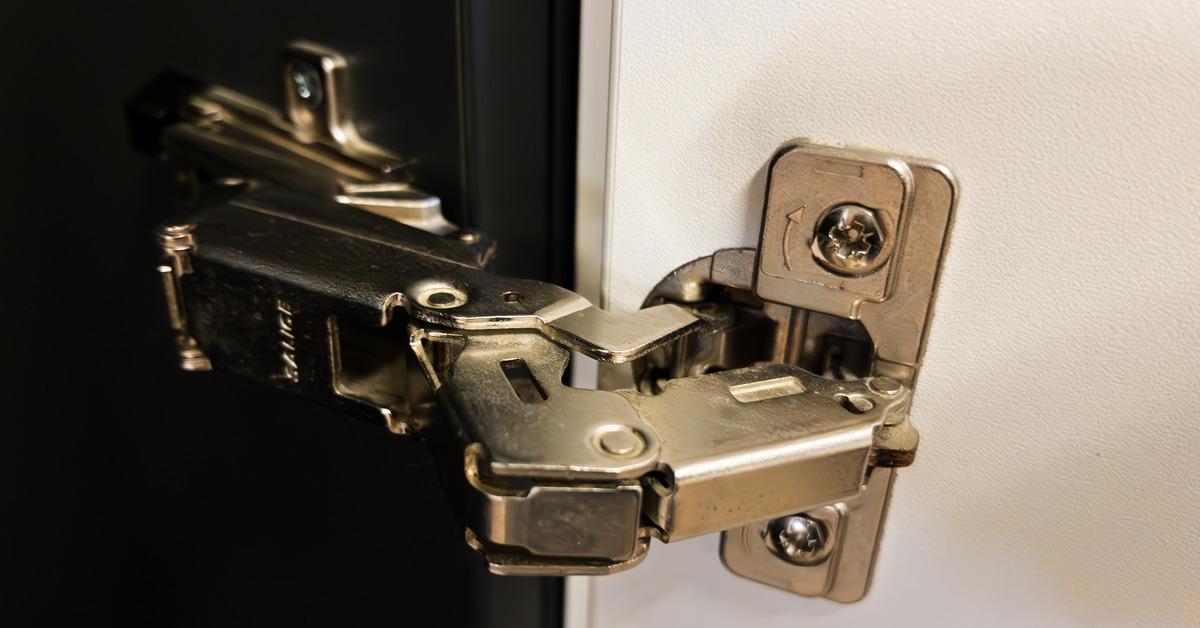
Figure 3: Troubleshooting a soft-close hinge often involves adjusting the 3D alignment screws or checking the deactivation switch.
6. Conclusion
Understanding the mechanics behind motion control components is essential for both product design and long-term maintenance. Whether you are specifying a friction hinge for a new medical device or troubleshooting a soft-close cabinet in your home, knowing how these mechanisms operate saves time, money, and frustration.
If you are an OEM manufacturer looking for reliable, high-quality motion control solutions, contact the Janhinge engineering team today. We provide expert guidance on damper selection, custom torque engineering, and bulk wholesale pricing.
7. Frequently Asked Questions (FAQ)
Q1: Can I adjust the speed of a rotary damper?
A: Most standard rotary dampers have a fixed speed determined by the factory-sealed silicone oil viscosity. However, Janhinge does manufacture specific adjustable rotary dampers that feature a small set screw, allowing you to fine-tune the fluid flow and closing speed for specific applications.
Q2: Why does my laptop screen wobble when I type?
A: This indicates that the friction hinge has experienced “torque degradation.” Over time, the constant friction wears down the internal components, reducing the holding force. High-quality OEM hinges use hardened steel to minimize this wear, but cheap hinges will loosen quickly and require replacement.
Q3: Is it safe to manually push a soft-close toilet seat down?
A: No. Manually forcing a soft-close seat down forces the rotary damper to rotate faster than the viscous fluid allows. This creates a massive pressure spike inside the damper that can blow out the O-ring seal or snap the internal plastic rotor, permanently destroying the soft-close feature.
Q4: What is the difference between a hydraulic hinge and a pneumatic hinge?
A: A hydraulic hinge uses a liquid (like oil) to provide damping resistance, which is excellent for heavy doors and smooth, consistent closing. A pneumatic hinge (or gas strut) uses compressed air or gas; these are often used to help lift heavy doors (like a car trunk) and hold them open, rather than just slowing them down.
Q5: How do I know what size soft-close hinge to buy for a replacement?
A: For standard kitchen cabinets, you need to measure two things: the “cup size” (the diameter of the hole drilled into the door, usually 35mm) and the “overlay” (how much the door overlaps the cabinet frame when closed, e.g., 1/2 inch or Full Overlay). Matching these two measurements ensures the new hinge will fit perfectly.