
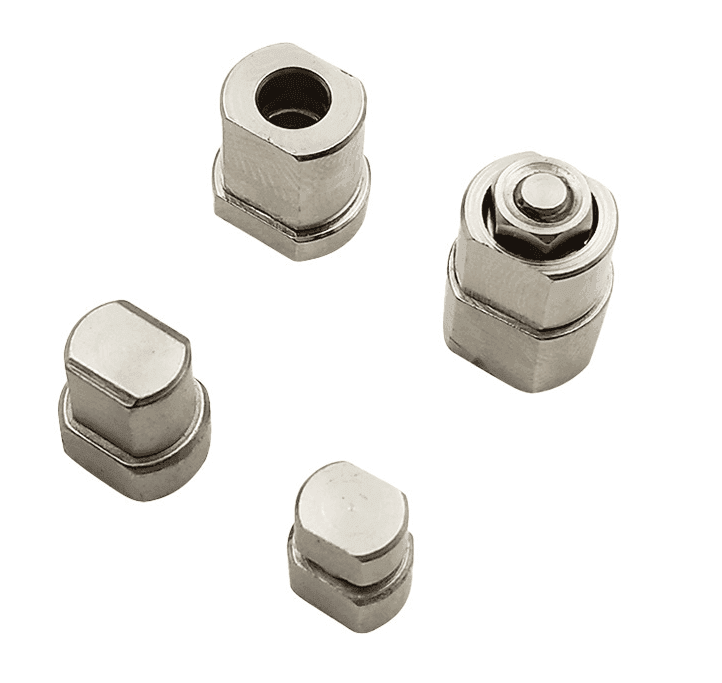
In modern home, office and study scenarios, table lamps are no longer simple lighting tools. They have evolved into high-end home products integrating eye-protection functions, intelligent adjustment, minimalist aesthetics and flexible adaptability. When designing and optimizing table lamps, most designers and consumers focus on lamp beads, eye-care parameters, appearance and intelligent dimming systems, while ignoring a core precision component — table lamp Friction hinges. As the core moving joint of a table lamp, the friction hinges controls the rotation, lifting and angle adjustment of the lamp head and arm. It directly determines the operating feel, adjustment accuracy, service life and overall texture of the lamp, becoming the key difference between low-end products and high-end premium table lamps. This article comprehensively introduces the core functions, mainstream types, working principles, selection standards, common failures and optimization solutions of table lamp any stop friction hinges, providing professional references for lamp R&D engineers, purchasers and industry practitioners.
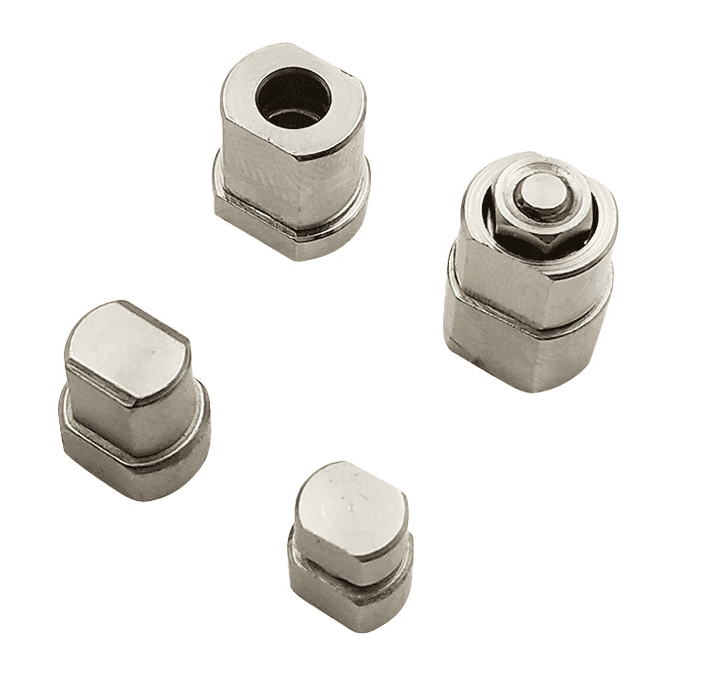
1. Core Definition and Key Functions of Table Lamp Frcition Hinges
A table lamp friction hinge is a precision damping rotating part specially designed for foldable table lamps, cantilever lamps, eye-care study lamps and desktop office lamps. It is generally installed at the connecting positions between the base and lamp arm, the middle section of the lamp arm, and the lamp arm and lamp head. It serves as the core component for multi-angle adjustment, folding storage and angle hovering. Although small in size, this hardware accessory profoundly affects the overall user experience and performance throughout the lamp’s service life.
First, table lamp hinges support flexible angle adjustment. In daily use, users need to adjust the height, horizontal direction and pitching angle of the lamp head according to sitting posture, reading distance and application scenarios, covering desktop writing, office work, night reading and manual creation. High-quality table lamp hinges enable smooth and jitter-free multi-angle adjustment, allowing the light to accurately cover the target area and optimizing the eye-protection effect.
Second, premium damping table lamp hinges realize stepless free-stop hovering. Traditional ordinary hinges only support fixed gear positioning with limited adjustment angles. In contrast, high-end table lamps equipped with free-stop damping hinges can rotate 0-360 degrees freely and lock steadily at any released position without sagging or rebounding, eliminating the need for extra fixing parts and greatly improving convenience.
Third, table lamp hinges determine the durability and overall product texture. Low-end table lamps adopt ordinary iron hinges, which are prone to loosening, slipping, rusting and stuttering after long-term use. The lamp head will sag and fail to fix steadily within half a year, seriously ruining the user experience. In comparison, precision alloy damping hinges maintain stable damping performance after 100,000 opening and closing cycles. With wear-resistant and rust-proof features and smooth operation, they effectively extend the service life and upgrade the high-end texture of table lamps.
2. Main Types and Structural Features of Table Lamp Friction Hinges
Based on the diverse shapes, structures and functional requirements of table lamps on the market, matching hinges are divided into three mainstream types with distinct characteristics for different product positioning and application scenarios.
2.1 Free-Stop Damping Hinges (High-End Mainstream Type)
This is the preferred hinge type for smart eye-care table lamps, foldable study lamps and high-end office table lamps. It operates based on a precision friction damping structure, combining multi-layer wear-resistant friction gaskets and high-precision shaft cores. The precise damping torque balances the self-weight of the lamp head and arm to achieve stepless hovering and arbitrary angle locking. The adjustment process is smooth and silent without stuttering, shaking or offset. The hinge can fix the lamp steadily at any angle to meet refined lighting adjustment needs. Its customizable torque effectively avoids sagging caused by insufficient torque or stiff operation caused by excessive torque, making it suitable for most mid-to high-end table lamps.
2.2 Flat Foldable Table Lamp Hinges (Basic Economical Type)
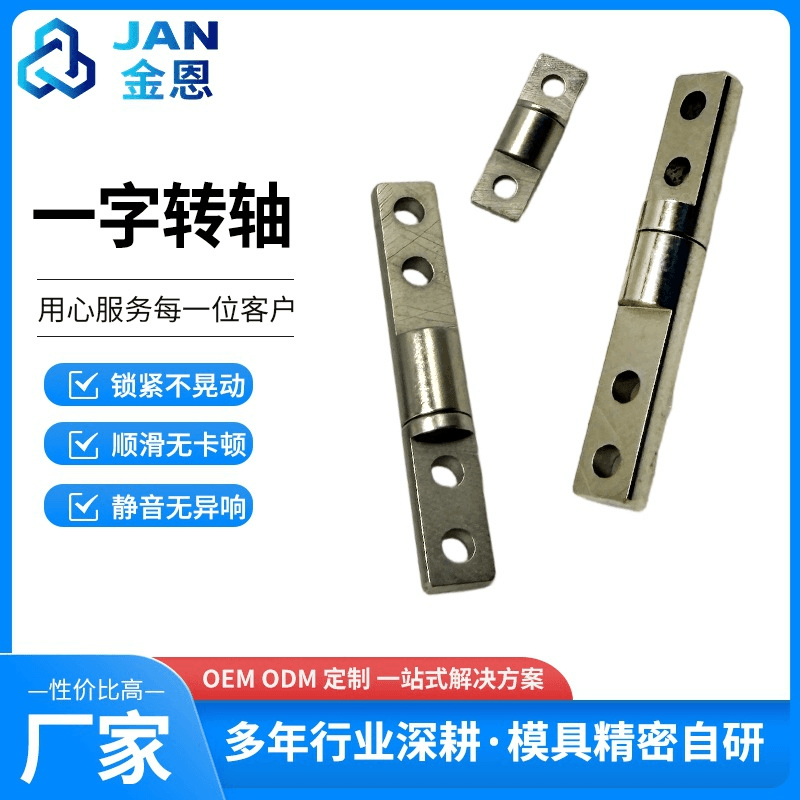
Featuring a simple flat structure, small size and easy installation, flat hinges are mainly applied to ultra-thin foldable lamps, portable storage table lamps and student dormitory lamps. Focusing on folding and storage functions, they support unidirectional and bidirectional flipping to realize compact folding, greatly reducing storage volume and improving portability. Compared with professional damping hinges, flat hinges have single functions, and most ordinary versions cannot hover steadily with only fixed flipping angles. Widely used in mid and low-cost table lamps, they have the advantages of low cost and strong installation adaptability.
2.3 Multi-Directional Cantilever Table Lamp Hinges (Multifunctional High-End Type)
Cantilever table lamps mostly adopt multi-joint combined hinges with dual-axis or cross-axis structures, supporting multi-dimensional adjustment including vertical lifting, horizontal rotation and front and rear stretching for higher movement flexibility. With uniform damping and strong load-bearing stability, these hinges support the multi-angle adjustment of long cantilever lamp arms while ensuring flexibility and firmness. They are widely used in industrial-style cantilever lamps, designer office lamps and professional reading lamps to meet users’ needs for wide-range and fine light adjustment.
3. Working Principle of Damping Table Lamp Hinges
Most high-end table lamps are equipped with free-stop damping hinges relying on precision damping transmission technology. The internal structure consists of high-precision shaft cores, wear-resistant friction gaskets, high-strength pressure sheets and spring components, which together generate stable friction damping force. When users adjust the lamp angle manually, external force overcomes the internal damping resistance to complete angle conversion. After releasing the lamp, the constant internal damping torque precisely offsets the self-weight pressure of the lamp head and arm, achieving a mechanical balance and realizing stable hovering without shaking, sagging or rebounding at any angle.
The core advantage of premium table lamp hinges lies in stable damping performance. Formal manufacturers adopt digital process to accurately control torque, keeping the batch torque error within an extremely small range. With customized high-wear-resistance material formula, the damping force will not attenuate after tens of thousands of repeated adjustments, maintaining smooth and stable operation in long-term use and solving the industry pain points of loosening and failure of traditional hinges.
4. Core Selection Guidelines for Table Lamp Hinges (Essential for Lamp R&D)
Improper hinge selection is the main cause of poor user experience and high after-sales rate of table lamps. Based on years of precision accessory production experience, we have summarized five core selection principles for the R&D and mass production of various table lamps.
First, match the torque parameter accurately. Torque is the core indicator of table lamp hinges, which shall be matched according to the total weight of the lamp arm and lamp head. Mini foldable lightweight lamps adapt to 0.3N·m-0.8N·m low-torque hinges; conventional household eye-care table lamps adapt to 0.8N·m-1.5N·m medium-torque hinges; heavy-duty long-cantilever lamps require hinges above 2.0N·m. Insufficient torque leads to lamp head sagging and angle offset, while excessive torque causes laborious adjustment and stiff operating feel.
Second, select high-quality materials to ensure performance. Mainstream materials for table lamp hinges include zinc alloy, stainless steel and high-carbon steel. Zinc alloy hinges feature moderate cost, strong plasticity and good rust resistance, suitable for mid-range household table lamps; stainless steel hinges have high strength, strong corrosion resistance and long service life, ideal for high-end premium lamps; ordinary iron hinges are prone to rust and wear with unstable damping, only applicable to low-end products and not recommended for mid-to high-end lamps. In addition, surface treatments such as nickel plating and anodization can effectively prevent oxidation and scratches to enhance product texture.
Third, match the structural space and installation dimensions. Select miniaturized modular hinges according to the internal installation space of the lamp to avoid assembly jamming. Choose ultra-thin flat damping hinges for foldable lamps and dual-axis or cross combined hinges for multi-directional adjustable lamps. Confirm the aperture, hole spacing and installation method to ensure zero error in mass production assembly.
Fourth, focus on service life and stability. High-quality table lamp hinges must pass 100,000 opening and closing cycle tests, maintaining stable damping performance in high and low temperature environments without loosening or slipping in long-term use. Avoid low-cost hinges with inferior gaskets and rough craftsmanship to prevent damping attenuation and angle failure after long-term operation.
Fifth, prioritize mute performance and operating feel. High-end table lamps require extremely delicate operating experience. Qualified hinges operate smoothly and silently without stuttering, abnormal noise or jitter, effectively upgrading the product grade and differentiating from low-end products.
5. Common Faults and Solutions of Table Lamp Hinges
Hinge failure is the most common after-sales problem of table lamps, mostly caused by improper selection, inferior materials and rough processing. The main faults are summarized into three categories with targeted solutions.
First, lamp head sagging and hovering failure. This is the most common fault, resulting from insufficient hinge torque or damping gasket wear and torque attenuation after long-term use. The solution is to replace with high-quality damping hinges with matched torque and adopt high-wear-resistance gaskets to extend the service life.
Second, stuttering, abnormal noise and stiff operation. These problems are caused by low-precision internal accessories, excessive assembly gaps, insufficient lubrication or metal rust. Premium precision hinges adopt integrated precision processing with tight fitting parts and long-term factory lubrication, fundamentally eliminating stuttering and abnormal noise.
Third, hinge loosening, offset and deformation. These faults are caused by low material strength and unreasonable thin-wall structure design. Long-term stress leads to shaft deformation and installation loosening, resulting in lamp head shaking. The solution is to adopt high-strength alloy hinges and optimize the structural strength to improve load-bearing stability.
6. Product Value and Industrial Application of High-Quality Table Lamp Hinges
With the rapid development of the smart home industry, consumers pursue delicate operating feel, stable structural performance and minimalist appearance beyond basic lighting functions. A high-precision damping table lamp hinge realizes qualitative upgrading of ordinary lamps. Its smooth and silent adjustment, stable arbitrary hovering and long-lasting durability become core competitive advantages, helping lamp manufacturers improve product reputation and market competitiveness.
At present, high-quality free-stop table lamp hinges are widely used in eye-care study lamps, desktop office lamps, cantilever design lamps, smart ambient lamps and portable foldable lamps, covering household, office, study, design and e-sports scenarios, serving as indispensable core precision components of modern table lamps.
Conclusion
Though tiny in appearance, table lamp hinges determine the operating experience, durability and grade of table lamps. From basic flat foldable hinges to high-end free-stop damping hinges and multi-directional cantilever hinges, different types of hinges match different product positioning. For lamp R&D and manufacturing, accurate torque matching, high-quality material selection and reasonable structural adaptation are essential to optimize product quality and solve common industry problems such as sagging, stuttering, loosening and abnormal noise. In the homogenized table lamp market, optimizing human-computer interaction experience through high-precision hinges is a crucial breakthrough for product differentiation and market competitiveness improvement.