
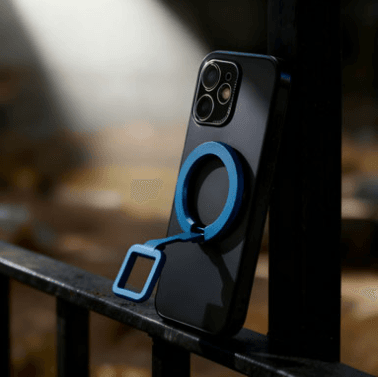
If you have ever used a phone holder that worked perfectly for the first few weeks — then slowly started drooping, sagging, or refusing to stay in position — you already know the problem. The hinge feels loose. The phone drifts during video calls. The stand that once held firm now collapses under its own weight.
This is not just an inconvenience. For a product designer, engineer, or procurement professional, it is a quality failure that generates warranty claims, customer complaints, and brand damage.
A phone holder looks simple. But the hinge that allows it to rotate and hold position is one of the most mechanically demanding components in the entire product. It must support the weight of the phone — typically 150 to 300 grams — through thousands of adjustment cycles, across varying temperatures, and under the dynamic loads of touchscreen interaction. And it must do all of this without losing its holding force.
This guide is written for engineers, procurement professionals, and decision-makers who need to understand how to select and specify friction hinges for phone holders that stay stable — not for weeks, but for years.
The Core Problem: Why Phone Holder Hinges Lose Stability
The fundamental challenge of any friction hinge is that it relies on the contact pressure between moving surfaces to generate holding torque. Over time, these surfaces wear down, lubricant migrates, and the spring preload weakens. The torque that once firmly held the phone in place also begins to decay.
Typical inexpensive hinges use simple friction plates pressed together. They work well initially, but as the surfaces wear down—typically after 3,000 to 5,000 opening and closing cycles—the holding force decreases. After a few months, the holder will begin to slide at a 45-degree angle because the internal torque resistance can no longer counteract the device’s weight.
This is torque decay, and it’s the biggest quality problem in phone holder design.
The Physics of Torque Decay
Torque stability depends on two things staying stable over time: friction state and pre-load. Any change in lubrication quality, surface morphology, material relaxation, or dimensional fit can reduce one or both — and torque falls accordingly.
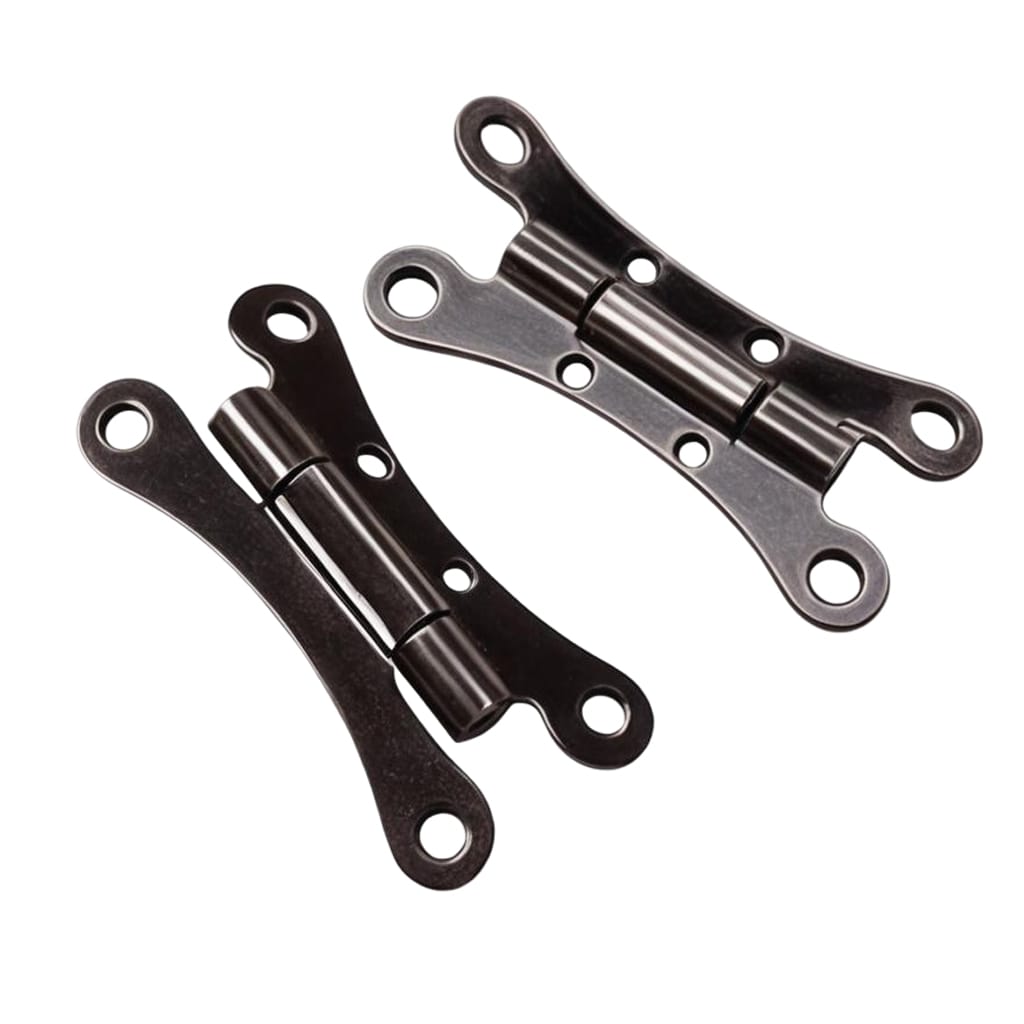
Most torque hinges contain four core functional elements:
- Shaft: the rotational and load-bearing element
- Friction pair: friction discs, clips, or sleeves that generate resistance
- Pre-load components: wave springs or Belleville washers that provide continuous contact pressure
- Lubrication medium: grease that smooths feel and reduces uncontrolled wear
The simplified torque relationship is:
T = μ × F × r × N
Where:
- T = output torque
- μ = friction coefficient
- F = normal force or pre-load
- r = effective friction radius
- N = number of effective friction interfaces
When friction surfaces wear, μ changes. When springs fatigue, F drops. When lubricant migrates, μ increases or decreases unpredictably. When temperature changes, the lubricant viscosity shifts. All of these factors contribute to the gradual loss of holding torque that users experience as a “loose” hinge.
Calculating the Torque You Need
Before you can select a hinge that stays stable, you need to know how much torque is required to hold the phone in position.
The Basic Formula
The fundamental calculation for hinge torque uses the load and its center of gravity. The formula is:
T = W × L × cos θ
Where:
- T = required torque (N·m)
- W = weight of the phone (kg)
- L = distance from the hinge pivot to the center of gravity (m)
- θ = angle between the phone and the horizontal plane
The worst-case scenario occurs when the phone is horizontal — this is when the moment arm is longest and gravitational force is most demanding. At that position, cos θ = 1, so the formula simplifies to T = W × L.
Worked Example: A Typical Smartphone
Consider a smartphone weighing 0.2 kg (200 grams). The center of gravity is approximately 0.08 meters from the hinge pivot. At the horizontal position:
T = 0.2 × 0.08 = 0.016 N·m
This is the theoretical minimum. But this is not the torque you should specify.
The Safety Factor: Why Margin Matters
Theoretical torque is just the starting point. In real-world applications, you must apply a safety factor to account for:
- Manufacturing tolerances: Every hinge has a torque tolerance band — typically ±15% with zinc components and ±20% with plastic components.
- Wear over time: Torque degrades with use. A hinge that holds on day one may fail after thousands of cycles.
- Temperature effects: Torque changes with temperature as lubricant viscosity shifts.
- Dynamic loading from touch interaction: Taps and swipes add momentary loads.
Most engineers use a safety factor of 1.5 to 2.0. For our 0.2 kg phone example, the target torque should be:
0.016 × 1.5 = 0.024 N·m (minimum)
For a heavier phone or a tablet, the required torque is significantly higher.
The Tolerance Trap
Every friction hinge torque rating has a tolerance band. A hinge rated at 0.03 N·m with ±20% tolerance could deliver anywhere from 0.024 to 0.036 N·m.
If your application requires at least 0.024 N·m to hold the phone, and your hinge is rated at 0.03 N·m with ±20% tolerance, you are right at the edge. Some units will hold. Others will sag.
The rule: Design for the low end of the tolerance band, not the nominal value.
Key Parameters for Long-Term Stability
1. Cycle Life: How Long Should It Last?
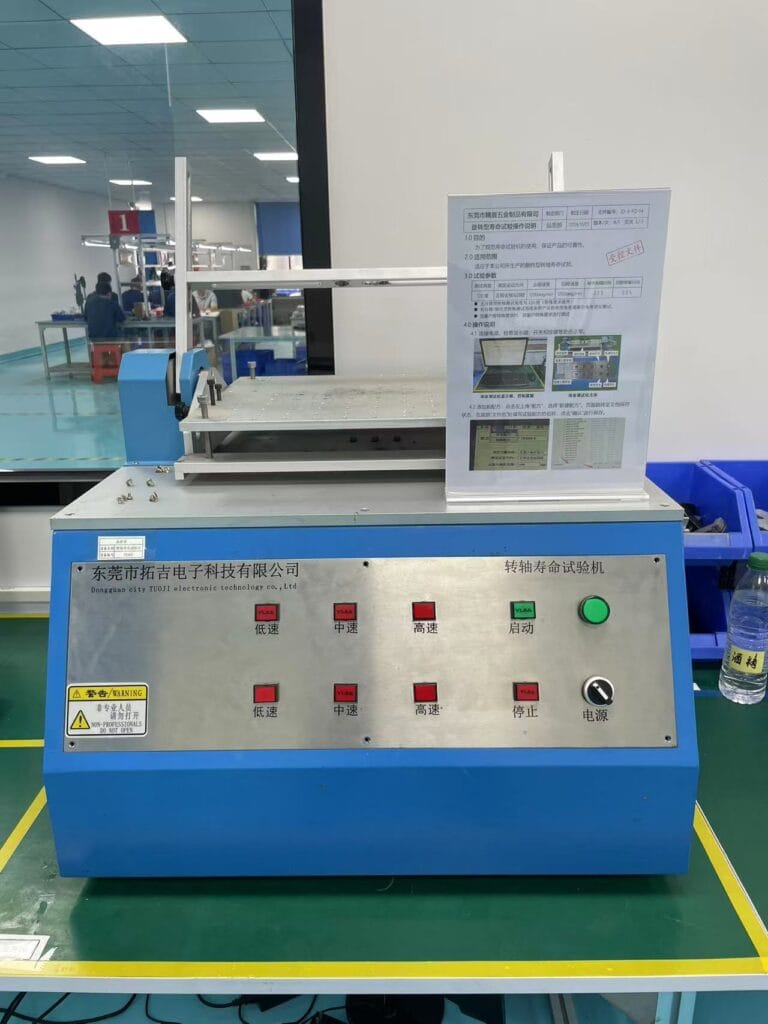
For a phone holder that is adjusted several times per day — perhaps 5 to 10 times — the hinge should survive at least 10,000 cycles, which is roughly 3-5 years of typical use.
Premium friction hinges are tested to higher standards:
- 10,000–20,000 cycles: Standard consumer grade
- 25,000+ cycles: Premium consumer and commercial grade
- 50,000+ cycles: Industrial and medical grade
A hinge tested to 30,000-plus cycles with constant torque is a reliable choice for phone holder applications.
2. Torque Tolerance: The Hidden Variable
Standard torque tolerance over life is a maximum of ±15% with zinc and ±20% with insert plastic molded parts.
If you specify a 0.03 N·m hinge with ±20% tolerance, individual hinges can deliver anywhere from 0.024 to 0.036 N·m. This variation matters.
3. Static vs. Dynamic Torque: The Feel Factor
One of the main quality aspects of friction hinges is the difference between static and dynamic torque.
Static torque is the torque required to hold the phone stationary. Dynamic torque is the torque required to move it during adjustment.
A hinge with a close and predictable relationship between static and dynamic torque provides smooth, jerk-free adjustment. A large gap causes stick-slip — the hinge “sticks” then “jumps” during adjustment.
4. Material Selection
| Material | Torque Tolerance | Durability | Best For |
|---|---|---|---|
| Zinc alloy | ±15% | Good | Cost-effective phone holders |
| Stainless steel | ±15% | Excellent | Premium, long-life applications |
| Plastic/PA | ±20% | Moderate | Low-cost, light-duty applications |
The all-metal ST series hinges from Southco, for example, feature hardened steel components to ensure robust performance and long life. They maintain consistent torque performance, cycle after cycle, without any need for maintenance, service, or adjustment.
5. Constant Torque vs. Basic Friction
The distinction between a basic friction hinge and a constant-torque hinge is critical for phone holder applications.
Basic friction hinges work through surface contact resistance. They are inexpensive and compact, but torque fades as surfaces wear — typically noticeable after a few thousand cycles.
Constant-torque hinges use calibrated internal mechanisms — multi-disc friction assemblies, encapsulated spring systems, or polymer friction elements — to deliver consistent, rated torque across tens of thousands of cycles.
For a phone holder that will be adjusted more than 5,000 times in its lifetime, a constant-torque hinge is the right choice.
Preventing Torque Decay: Design and Selection Strategies
1. Specify End-of-Life Torque, Not Initial Torque
Define what torque the hinge must deliver after 10,000, 20,000, or 50,000 cycles — not just on day one. A hinge that holds on day one but fails after 5,000 cycles is a quality problem waiting to happen.
2. Add Torque Margin for Wear
As Sugatsune and other manufacturers note, torque will decrease due to long-term use, temperature, and humidity. This is why many manufacturers use asymmetric tolerances — the hinge is deliberately shipped on the high side so that even after degradation, it still meets the minimum required torque.
3. Choose the Right Material for the Application
For phone holders used in varying environments, material choice matters. Zinc components offer ±15% torque tolerance over life. Stainless steel provides superior corrosion resistance and durability.
4. Consider Adjustable Torque Hinges for Critical Applications
Some phone holder designs benefit from adjustable torque hinges, which allow field tuning via a set screw. This can compensate for wear over time and extend the useful life of the product.
5. Test with the Actual Load
Always test the hinge with the actual phone — including any case or accessories that will be used. A hinge that works with a bare phone may fail with a heavy protective case.
6. Validate with Cycle Testing
A robust test plan should measure torque at defined angle points, record temperature, and compare early cycle data to late cycle behavior. Set clear acceptance limits before sample build, then run repeat tests across multiple units.
Common Mistakes in Phone Holder Hinge Selection
Mistake 1: Specifying Torque Equal to Theoretical Load
Do not select hinge torque equal to the theoretical minimum. Add margin for wear, temperature, and manufacturing tolerances.
Mistake 2: Ignoring Torque Tolerance
A ±20% tolerance means your “0.03 N·m” hinge could be 0.024 N·m. Design for the low end of the tolerance band.
Mistake 3: Testing Without the Full Assembly
Always test with the actual phone — including any case, screen protector, or accessories that will be used in production.
Mistake 4: Forgetting About Touchscreen Interaction
Phones are touched, tapped, and swiped. These dynamic loads add to the static load. A hinge that holds a static phone may fail under repetitive touchscreen use.
Mistake 5: Using a Basic Friction Hinge for High-Cycle Applications
Basic friction hinges are suitable for low-frequency applications — toolboxes, mirrors, storage lids. For phone holders that will be adjusted thousands of times, a constant-torque hinge is the better choice.
Mistake 6: Underestimating Environmental Factors
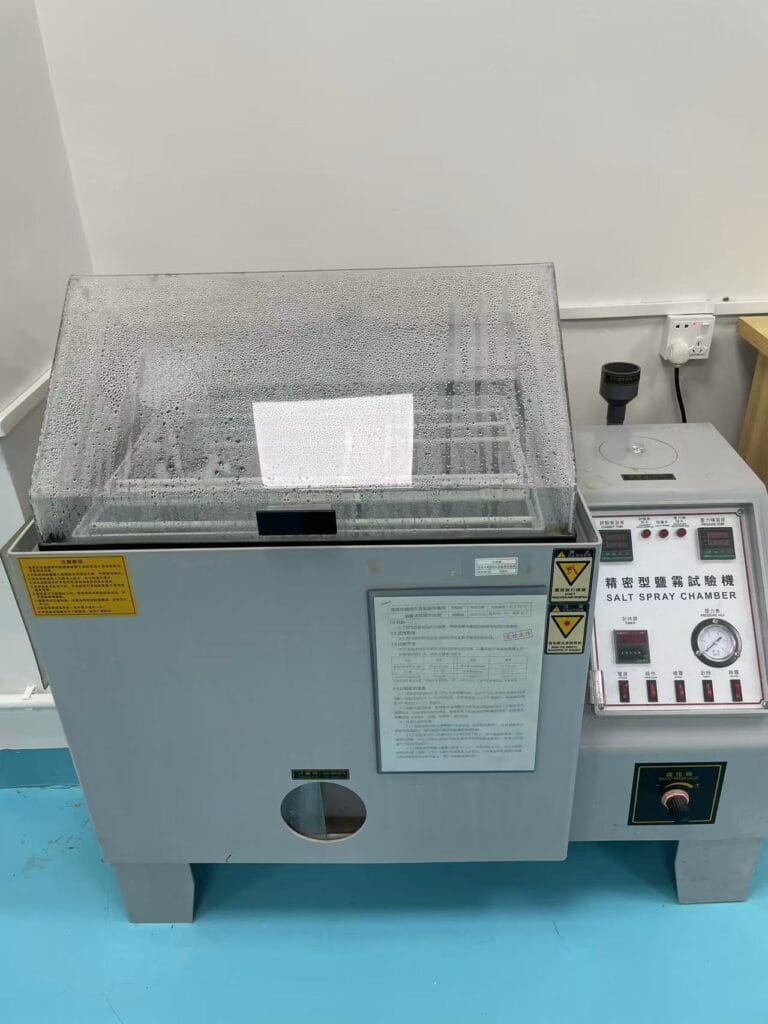
Temperature, humidity, and contaminants all affect hinge performance. A hinge that works in a climate-controlled office may fail in a hot car or humid environment.
FAQ
Q1: Why do phone holder hinges lose their holding force over time?
Phone holder hinges lose holding force due to torque decay — the gradual reduction in output torque after repeated opening and closing cycles. This is caused by wear of friction materials (friction surfaces thin out, clearance increases), pre-load loss from spring fatigue or stress relaxation, lubricant migration out of the friction interface, and temperature effects that change viscosity and friction characteristics. Most hinges experience significant torque drop during the first 500 to 1,000 cycles as the friction interface beds in.
Q2: How many cycles should a phone holder hinge last?
For a phone holder that is adjusted several times per day, the hinge should survive at least 10,000 cycles, which is roughly 3-5 years of typical use. Premium friction hinges are tested to 25,000 or even 50,000+ cycles. When specifying a hinge, look for cycle life data from the manufacturer.
Q3: What is the difference between static and dynamic torque, and why does it matter?
Static torque is the torque required to hold the phone stationary at a given angle. Dynamic torque is the torque required to move the phone during adjustment. For phone holders, users expect smooth, one-handed adjustment — which requires a close relationship between static and dynamic torque. A large gap causes stick-slip (jerky movement), where the hinge sticks then jumps during adjustment.
Q4: What torque tolerance should I expect from a phone holder hinge?
Standard torque tolerance is ±15% with zinc components and ±20% with insert plastic molded parts. Some premium suppliers can achieve tighter tolerances with excellent process control. Always design for the low end of the tolerance band, not the nominal value. If your application requires at least 0.024 N·m, specify a hinge with a nominal torque high enough that even at the low end of the tolerance, it still holds.
Summary
Phone holder friction hinges lose stability over time for predictable, preventable reasons. Wear of friction materials, pre-load loss, lubricant migration, and temperature effects all contribute to torque decay. The key to long-term stability is understanding the physics of torque generation, calculating the required torque with a safety factor, specifying the right materials and tolerance, and validating with cycle testing.
Do the math early — calculate your required torque using T = W × L × cos θ and add a safety factor. Design for the low end of the tolerance band. Choose constant-torque hinges for high-cycle applications. And always test with the actual phone and use case.
The hinge that holds on day one is not the achievement. The hinge that still holds on day 1,000 — through thousands of adjustments, temperature changes, and touchscreen interactions — that is where the real value lies.