
Introduction: The Two Frustrations That Define Cabinet Quality
Walk into any kitchen showroom or inspect a high-end residential project, and you will notice something immediately: the way a cabinet door moves tells you everything about the quality of the cabinetry. A door that stays where you put it feels premium. A door that swings back unexpectedly or droops from its frame feels—quite literally—broken.
For cabinet manufacturers, furniture brands, and commercial joinery operations, these two problems—rebound and sagging—are among the most frequent sources of warranty claims, customer complaints, and brand erosion. They are also entirely preventable.
The solution lies in a single component category: the cabinet flip door free stop hinge. But not all free stop hinges are created equal. Understanding how these hinges work, why they fail, and how to specify the right one for your application is essential for engineers, procurement professionals, and business owners who care about product quality and long-term reliability.

The Problem Defined: What Are Rebound and Sagging?
Cabinet Door Rebound
Cabinet door rebound—sometimes called “spring-back” or “backlash”—is the phenomenon where a door unexpectedly swings back or snaps open after being positioned. It is particularly common in flip-up cabinet doors, where gravity and hinge mechanics interact in ways that are not always predictable.
The mechanism is simple: when you open a flip door, the hinge’s internal components generate friction to hold the door in place. But if that friction is insufficient or unevenly applied, the door’s own weight overcomes the hinge’s resistance and the door swings back—sometimes gently, sometimes with enough force to cause damage or injury.
According to industry surveys, nearly 30% of homeowners report experiencing rebound issues at some point. For manufacturers, this translates into field failures, service calls, and dissatisfied end users.
Cabinet Door Sagging
Sagging is the opposite problem: the door droops downward from its intended position, creating uneven gaps, difficulty in closing, and a visibly misaligned appearance.
Sagging typically occurs for three reasons:
First, poor installation. If hinges are not properly aligned or secured to both the door and the cabinet frame, the weight of the door will gradually pull it out of position.
Second, wear and tear. Over time, hinges become worn or damaged. Friction increases, screws loosen, and the door begins to sag.
Third, and most critically for manufacturers, inadequate hinge specification. Using hinges that cannot support the door’s weight—particularly when the door includes integrated features like glass panels, lighting, or thicker materials—is a design flaw that no amount of careful installation can fix.
The Solution: Free Stop Hinge Technology
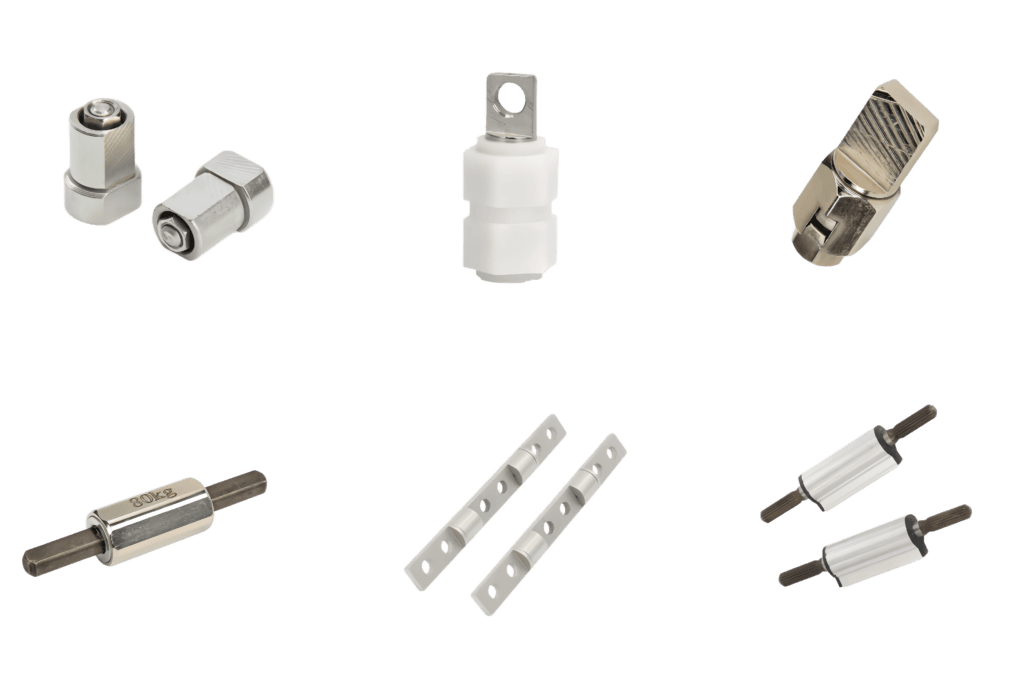
A free stop hinge—also known as a torque hinge or friction hinge—is designed to hold a door or lid in place at any position without the need for separate stoppers, catches, or support arms. The function is called “free stop” precisely because the door stops freely at whatever angle the user chooses.
How Free Stop Works
The mechanism is elegant in its simplicity: friction generated within the hinge provides resistance that overcomes the torque exerted by gravity due to the door’s weight and moment arm. When the user stops moving the door, the hinge’s internal friction holds it in place.
There are several mechanisms used to create this friction:
- Disk Structure: Friction is generated when shifting discs sandwiching a fixed disc are moved.
- Curl Structure: Friction is generated when a shaft inside a rolled spring sheet is rotated.
- Pipe Structure: Friction is generated when a shaft press-fitted into a plastic pipe is rotated.
- Omega Clip Mechanism: A specialized design that provides consistent friction over the hinge’s lifetime.
Solving Rebound with Detent Torque
For manufacturers specifically concerned about rebound, the detent torque hinge offers a targeted solution. This design incorporates a mechanical detent at the closing point that eliminates spring-back entirely, ensuring the door remains completely closed without the need for additional catches.
This is particularly valuable for flip-up cabinet doors in kitchens, bathrooms, and commercial settings where doors must stay securely closed when not in use.
Solving Sagging with Proper Torque Specification
Sagging is addressed through proper torque specification. The hinge must deliver enough resistive torque to support the door’s weight at any position. If the torque is too low, the door sags or drifts. If it is too high, the door becomes difficult to move.
Leading manufacturers offer a range of torque options. For example, the XG11-051 flip-stop torque hinge delivers 3.0 N·m of torque, making it suitable for heavier cabinet doors and industrial applications. For lighter applications, options down to 0.35 N·m are available.
Technical Considerations for Engineers
When specifying a free stop hinge for a cabinet flip door application, several engineering parameters require careful attention.
Torque and Door Moment
The required torque depends on the door’s weight and the distance from the hinge axis to the door’s center of gravity—what engineers call the door moment. A heavier door or a longer moment arm requires more torque to hold position.
Torque is typically specified in N·m (Newton meters), the international standard unit. Other common units include kgf·cm, lbf·in, and lbf·ft. When working with global suppliers, ensure you are comparing like units.
Opening Angle
Flip-up cabinet doors typically require between 90 and 180 degrees of rotation. Some applications demand even greater range. The hinge must maintain consistent torque across the entire operating angle.
One-Way vs. Two-Way Torque
Some free stop hinges generate torque in only one direction—typically the closing direction—allowing the door to open more easily while still holding position when released. This “one-way torque” design is particularly popular for flip-up cabinet doors because it reduces the effort required to lift the door while maintaining reliable free-stop performance in the open position.
Adjustable Torque
For applications where door weight may vary—or where field adjustment is desirable—adjustable torque hinges allow the friction to be tuned using a simple hex key or similar tool. This is especially useful for custom cabinetry projects where door weights may not be perfectly consistent.
Durability and Cycle Life
A quality free stop hinge should withstand tens of thousands of adjustment cycles without degradation. Leading products are validated for 50,000 to 100,000 cycles or more. Some manufacturers offer products that have passed 20,000-cycle tests for soft-close and free-stop combined functionality.
Material and Finish
For cabinet applications, material selection matters. Zinc alloy offers good corrosion resistance and durability. Carbon steel provides higher strength for heavy-duty applications. Stainless steel is preferred for humid environments like bathrooms. Common finishes include black, nickel-plated, and various powder-coated options.
Application Scenarios
Kitchen Overhead Cabinets
In kitchen cabinetry, flip-up doors are increasingly popular for overhead storage. The free stop function allows users to open the door and have it stay in place while they retrieve items—no need to hold the door with one hand. This is not just a convenience feature; it is a safety consideration.
Bathroom Vanities
Bathroom cabinets face unique challenges: high humidity, frequent use, and often heavier doors due to integrated mirrors or lighting. A free stop hinge with corrosion-resistant materials and reliable torque is essential.
Commercial and Retail Displays
In retail environments, cabinet doors are opened and closed hundreds of times daily. Durability is paramount. Free stop hinges with proven cycle life and consistent torque performance reduce maintenance costs and service calls.
Medical and Laboratory Cabinets
In sterile environments, cabinet doors must close completely to maintain hygiene. Detent torque hinges that eliminate rebound are particularly valuable here. Additionally, quiet operation is often specified to maintain a calm environment.
Office and Commercial Furniture
From filing cabinets to AV equipment enclosures, flip-up doors in commercial furniture benefit from free stop functionality that allows easy access while keeping doors securely positioned.
Free Stop vs. Soft-Close: Understanding the Difference
A common point of confusion in the industry is the distinction between free stop hinges and soft-close hinges. They are not the same thing—and they serve different purposes.
Soft-close hinges incorporate a damping mechanism—often a small hydraulic cylinder—that slows the door as it approaches the closed position, preventing slamming. They do not hold the door in intermediate positions; they only control the final phase of closing.
Free stop hinges, by contrast, hold the door in any position throughout its range of motion. They do not necessarily provide damping at the close.
The best solution for many applications is a hinge that combines both functions: free stop positioning throughout the range, with soft-close damping in the final degrees of closure. Some manufacturers offer integrated designs that deliver both capabilities in a single component.
For flip-up cabinet doors specifically, the combination is particularly valuable. The free stop function holds the door open while the user accesses the cabinet; the soft-close function prevents the door from slamming shut when the user is finished.
Cost-Benefit Analysis for Procurement
For procurement professionals and business owners, the decision to specify premium free stop hinges often comes down to a simple calculation: upfront cost versus lifetime value.
The Cost of Failure
A standard hinge that fails due to rebound or sagging generates several costs:
- Warranty claims and replacement parts
- Service calls and labor
- Customer dissatisfaction and brand damage
- Potential injury from falling or slamming doors
These costs accumulate quickly. A single warranty return can wipe out the profit on multiple units.
The Value of Quality
A well-specified free stop hinge delivers:
- Reduced warranty claims through superior durability
- Enhanced user experience through smooth, predictable motion
- Brand differentiation in a competitive market
- Longer product lifespan through robust construction
The incremental cost of a quality free stop hinge over a standard hinge is typically modest—often a matter of dollars per unit at volume. The value it delivers, however, is substantial.
Choosing the Right Supplier
For procurement professionals, supplier selection is as important as product specification. Key criteria include:
OEM and Customization Capability
Not all projects can use off-the-shelf components. Look for suppliers that offer full OEM and ODM customization, including torque adjustment, size modification, and material selection.
Quality Certification
ISO 9001 certification is a baseline indicator of quality management. Beyond that, look for suppliers that perform 100% inspection of torque, rotation smoothness, and surface finish. Products tested according to standards like DIN EN 15570 provide additional assurance of strength and durability.
Production Capacity
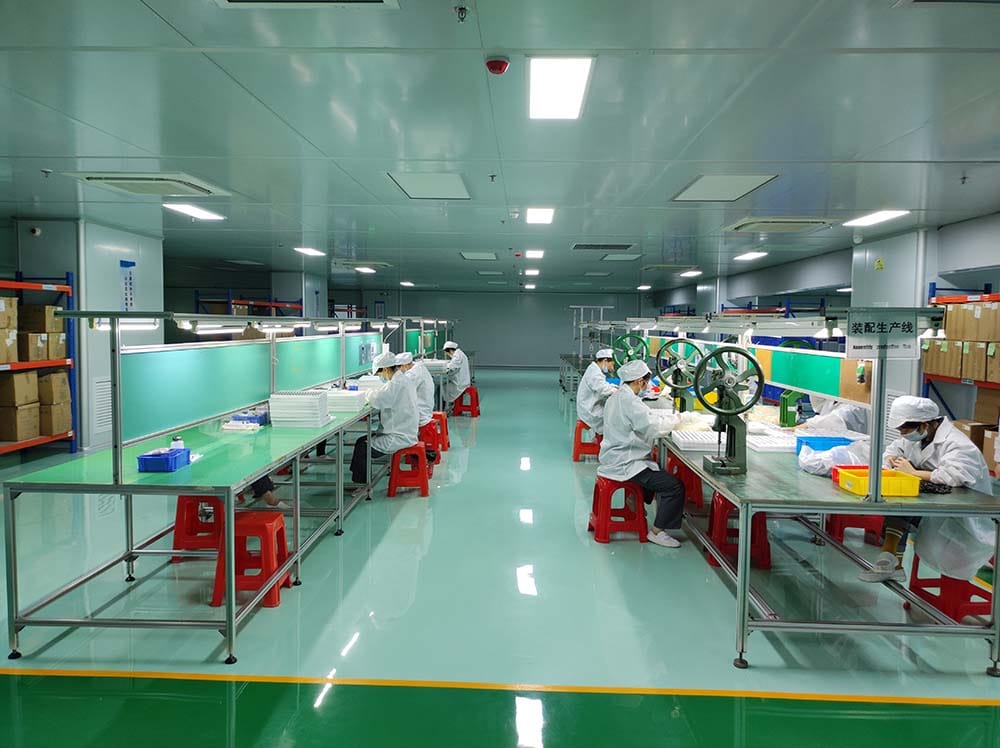
For volume production, supplier capacity matters. Leading manufacturers maintain advanced production facilities and can scale to meet demand.
Technical Support
The best suppliers offer engineering support to help you calculate the correct torque specification for your application. This collaborative approach reduces the risk of specification errors.
Conclusion
Cabinet flip door rebound and sagging are not inevitable problems. They are design issues that can be solved through proper hinge specification. A free stop hinge—particularly one with detent torque to eliminate rebound and sufficient torque to prevent sagging—transforms the user experience from frustrating to flawless.
For engineers, the technical parameters are clear: calculate the door moment, specify the correct torque, and validate durability. For procurement professionals, the supplier criteria are equally clear: look for quality certification, customization capability, and technical support. For business owners, the strategic imperative is undeniable: invest in the hardware that defines product quality.
FAQ
Q1: What is the difference between a free stop hinge and a soft-close hinge?
A free stop hinge holds a door in any position throughout its range of motion using internal friction. A soft-close hinge only controls the final phase of closing, using a hydraulic damper to slow the door and prevent slamming. They serve different purposes and can be combined in a single product.
Q2: How do I determine the correct torque for my flip-up cabinet door?
Torque requirement depends on the door’s weight and the distance from the hinge axis to its center of gravity—the door moment. Most suppliers provide engineering support to calculate the optimal torque. Typical cabinet applications range from 0.35 N·m to 3.0 N·m.
Q3: What causes cabinet door rebound and how can it be prevented?
Rebound occurs when a door’s internal hinge friction is insufficient to overcome the door’s weight, causing it to swing back. It can be prevented by specifying a hinge with adequate torque, or by using a detent torque hinge that includes a mechanical detent at the closing point to eliminate spring-back entirely.
Q4: How many cycles can a quality free stop hinge withstand?
Premium free stop hinges are validated for 50,000 to 100,000 cycles or more. Some manufacturers offer products that have passed 20,000-cycle tests for combined soft-close and free-stop functionality. Always verify cycle life specifications with your supplier.
Summary: Cabinet flip door rebound and sagging are preventable design issues solved by proper free stop hinge specification. These hinges use internal friction to hold doors at any position, with detent torque options to eliminate rebound and sufficient torque to prevent sagging. Engineers should calculate door moment and specify correct torque; procurement professionals should select suppliers with quality certification and customization capability. The investment in quality hinges delivers reduced warranty claims, enhanced user experience, and stronger brand positioning.