
The global market for motion control hardware is experiencing unprecedented growth. Driven by consumer demand for premium tactile experiences, safety regulations, and the miniaturization of electronics, the hinge damper has evolved from a niche luxury component into an industry-standard requirement.
Whether it is the silent glide of a kitchen drawer or the precise positioning of a medical monitor, motion control defines how users interact with physical products. In this comprehensive guide, the engineering team at Janhinge—a leading global damper manufacturer—explores the mechanics behind these devices, their diverse cross-industry applications, and the strategic value of custom OEM partnerships.
1. Understanding the Soft Close Mechanism
Before exploring applications, it is essential to understand the engineering that makes motion control possible.
A soft close mechanism is designed to intercept a moving object (like a door or lid) during the final stages of its closing arc, absorbing its kinetic energy to prevent a violent impact.
1.1 How It Works: Fluid Dynamics in Action
At the core of most high-quality soft-close systems is a rotary damper or a miniature hydraulic cylinder.
When a cabinet door is pushed shut, it accelerates. As it reaches the last 15 to 30 degrees of closure, the hinge engages the damper. The mechanical force of the door pushes an internal rotor or piston through a chamber filled with high-viscosity silicone oil.
The fluid resists this movement (shear force). This resistance absorbs the kinetic energy of the door, converting it into a negligible amount of heat, and slowing the door to a silent, controlled stop. The higher the viscosity of the oil and the tighter the internal tolerances, the stronger the damping effect.
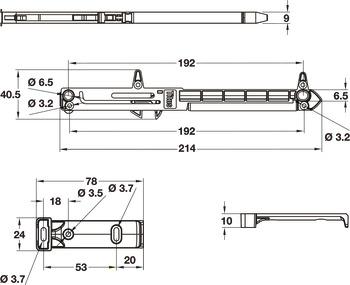
Figure 1: A soft close mechanism integrated into a drawer slide, utilizing a hydraulic damper to ensure a silent, gentle stop.
2. Key Rotary Damper Applications Across Industries
The versatility of the rotary damper allows it to be integrated into almost any product that features a lid, door, or rotating joint. Here are the primary industries driving the demand for motion control.
2.1 The Automotive Sector: Engineering NVH
In the automotive industry, Noise, Vibration, and Harshness (NVH) are critical metrics for perceived vehicle quality. A rotary damper application is essential for achieving a premium interior feel.
•Glove Boxes: A rotary damper ensures the heavy glove box door glides open smoothly rather than dropping onto the passenger’s knees.
•Center Consoles and Cup Holders: Miniature barrel dampers are used in center console lids and retractable cup holders to provide a luxurious, slow-motion opening effect.
•EV Charging Ports: In modern electric vehicles, dampers are used to control the motorized or spring-loaded opening of the exterior charging flap, preventing impact damage.
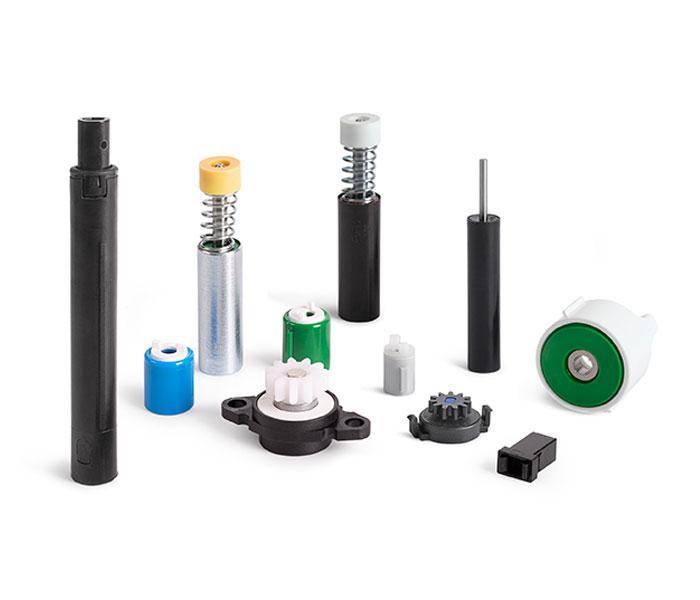
Figure 2: Rotary dampers are extensively used in automotive interiors, from glove boxes to center consoles, to enhance the premium feel.
2.2 Furniture and Cabinetry: The Soft-Close Standard
The furniture industry is the largest consumer of hinge dampers globally. Consumers now expect soft-close functionality in everything from high-end kitchen cabinets to affordable flat-pack wardrobes.
•Kitchen Cabinets: Damping hinges prevent the loud slamming of wooden doors, reducing noise pollution in the home and protecting the cabinet frame from structural damage over time.
•Heavy Lids: Toy boxes, piano fallboards, and storage benches utilize heavy-duty rotary dampers to prevent heavy lids from crushing fingers, a critical safety feature.
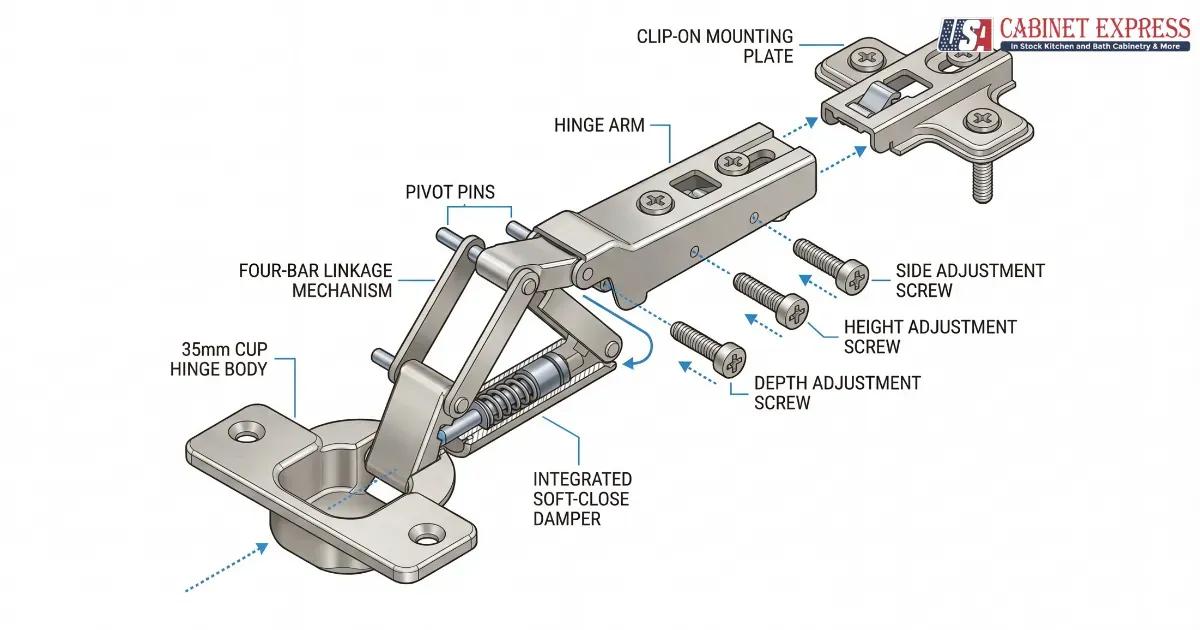
Figure 3: High-quality soft-close hinges are now a standard requirement for modern kitchen cabinetry.
2.3 Consumer Electronics and Appliances
As devices become smaller and more sophisticated, the motion control components inside them must follow suit.
•Washing Machines: Top-loading washers use large rotary dampers in the lid hinge to prevent the heavy glass door from shattering if dropped.
•Printers and Copiers: Dampers are used in paper trays and scanner lids to protect delicate optical sensors from shock damage.
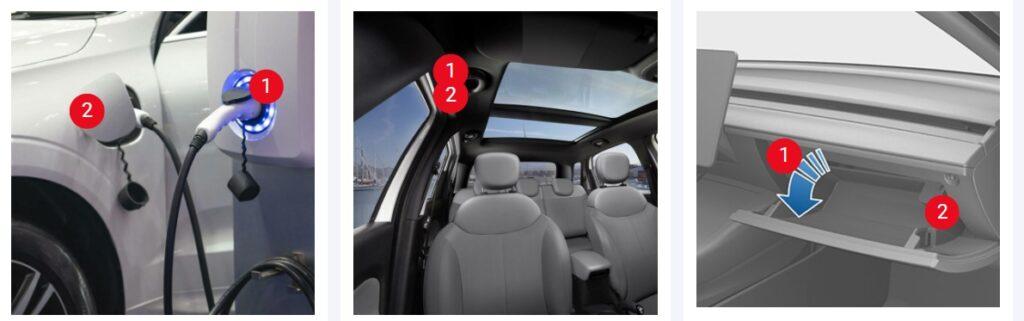
Figure 4: Rotary dampers provide critical motion control across diverse industries, including medical, electronics, and home appliances.
3. The Role of the Torque Hinge OEM
While rotary dampers control the speed of motion, friction hinges (torque hinges) control the position. They allow a user to adjust a screen or lid to any angle and have it stay perfectly still.
3.1 Why Custom Design is Necessary
Off-the-shelf friction hinges rarely work for innovative products. The required holding torque depends entirely on the weight of the specific screen and the length of the lever arm. If the torque is too low, the screen will droop; if it is too high, the user cannot adjust it.
This is why partnering with a specialized torque hinge OEM (Original Equipment Manufacturer) is critical.
3.2 The Janhinge OEM Advantage
As a direct factory, Janhinge does not just sell parts; we engineer solutions. Our OEM process includes:
1.Torque Calculation: Our engineers analyze your CAD models to calculate the exact torque curve required for your specific application.
2.Asymmetric Design: We can design hinges that provide high resistance in one direction (to hold a heavy monitor up) and low resistance in the other (to make it easy to lift).
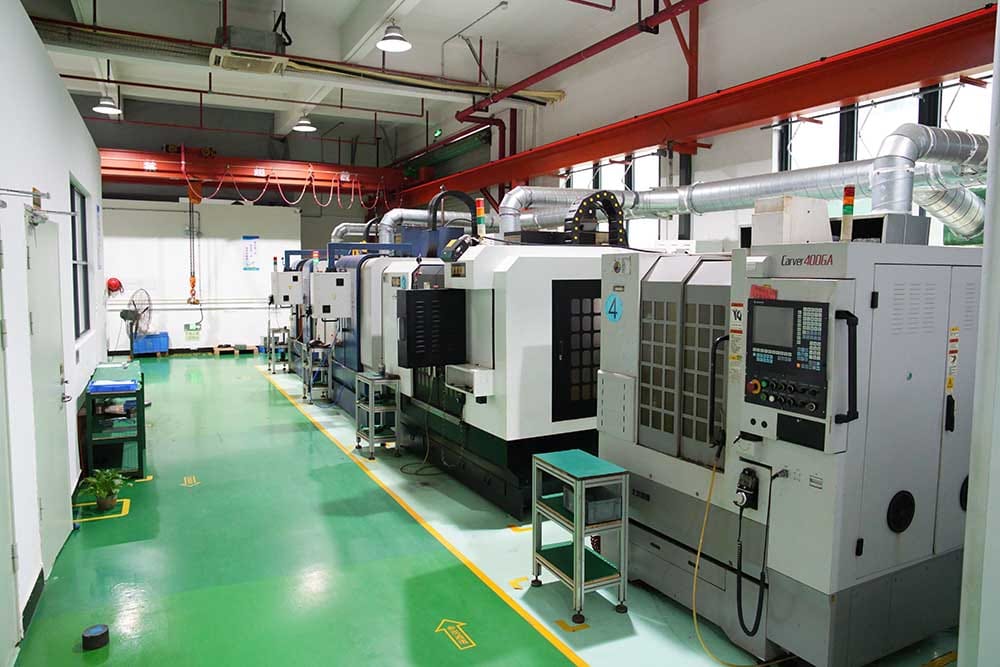
3.Rapid Prototyping: We utilize in-house CNC machining to deliver functional, custom-tuned prototypes within days, accelerating your product development cycle.
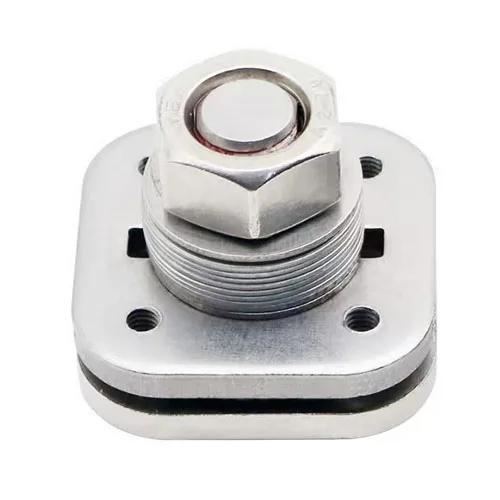
Figure 5: Custom adjustable torque hinges engineered by Janhinge for precise positioning in OEM applications.
4. Conclusion: The Value of Motion Control
Integrating a high-quality hinge damper or custom torque hinge is one of the most cost-effective ways to elevate a product’s perceived value. It transforms a utilitarian mechanical action into a refined, tactile experience.
However, achieving this requires partnering with a reliable damper manufacturer capable of delivering consistent quality at scale. With 100% automated torque inspection and rigorous lifecycle testing, Janhinge ensures that every component we ship performs flawlessly.
Contact the Janhinge engineering team today to discuss your motion control requirements, request a custom OEM design, or secure a quote for wholesale bulk orders.
5. Frequently Asked Questions (FAQ)
Q1: What is the difference between a hinge damper and a friction hinge?
A: A hinge damper (rotary damper) controls the speed of motion, typically slowing down a closing door to prevent a slam. A friction hinge (torque hinge) controls the position, providing constant resistance to hold a lid or screen open at any specific angle.
Q2: How long does a typical soft close mechanism last?
A: The lifespan depends heavily on the manufacturer’s quality control. Cheap dampers may leak oil or lose resistance after 10,000 cycles. Janhinge’s premium soft-close dampers are rigorously tested to exceed 50,000 to 100,000 cycles with minimal torque degradation.
Q3: Can you manufacture a rotary damper that works in extreme cold?
A: Yes. Standard silicone oil thickens in cold weather, making dampers stiff. For automotive and outdoor applications, we use specialized High Viscosity Index (HVI) silicone fluids that maintain consistent damping performance from -40°C to +85°C.
Q4: Why should I use a torque hinge OEM instead of buying standard hinges from a catalog?
A: Standard hinges are a compromise. If your product’s lid is slightly heavier or lighter than the hinge was designed for, the user experience will suffer. An OEM partner like Janhinge custom-tunes the internal friction to perfectly match your product’s exact weight and dimensions, ensuring a flawless “free-stop” feel.
Q5: Do you provide 3D CAD models for your dampers and hinges?
A: Absolutely. We provide comprehensive 2D drawings and 3D CAD models (STEP, IGES, etc.) for all our standard products to help your engineers integrate them into your designs. For custom OEM projects, we co-develop the CAD models with your team.