

In the global manufacturing ecosystem, the line between a successful product launch and a costly recall often comes down to the reliability of the smallest components. For industries ranging from high-end cabinetry to cutting-edge consumer electronics, motion control hardware—specifically damping hinges and friction hinges—plays a disproportionately large role in user satisfaction.
As production scales from hundreds of prototypes to millions of retail units, procurement managers and lead engineers face a critical challenge: how to secure reliable, high-quality motion control components at wholesale volumes without sacrificing precision.
This guide, developed by the engineering and supply chain experts at Janhinge, explores the strategic sourcing of damping hinge furniture cabinet wholesale orders, the intricacies of laptop screen hinge torque custom designs, and how to successfully navigate OEM partnerships in China. Discuss more on Whatsapp.
1. The Furniture and Cabinetry Sector: The Soft-Close Standard
In the modern home, the “soft-close” feature is no longer a luxury upgrade; it is an expected standard. Consumers demand that kitchen cabinets, wardrobe doors, and bathroom vanities close silently and smoothly, regardless of how forcefully they are pushed.
1.1 The Mechanics of the Soft Close Hinge
A soft close hinge kitchen cabinet mechanism typically integrates a miniature rotary damper or a linear hydraulic cylinder directly into the hinge cup or arm. As the cabinet door reaches the final 15° to 30° of its closing arc, the damper engages. The internal fluid (usually silicone oil) is forced through a tiny orifice, creating hydraulic resistance that absorbs the kinetic energy of the heavy wooden door.
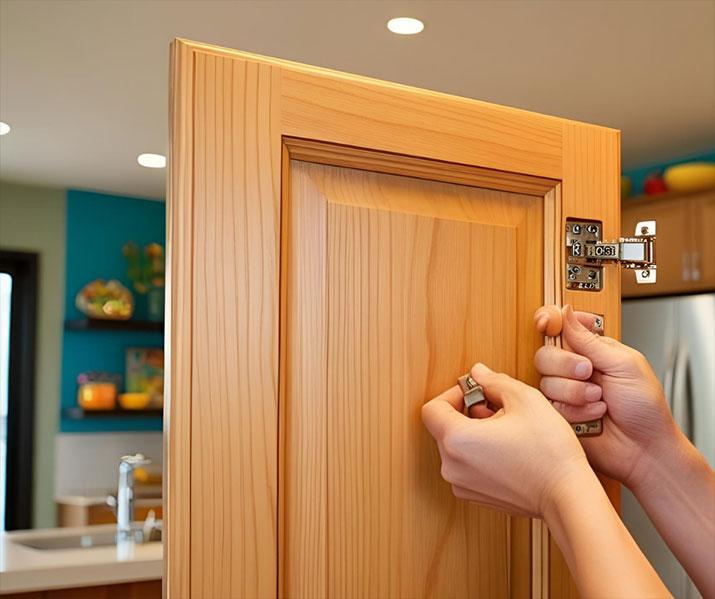
Figure 1: Installation of a soft-close damping hinge on a premium kitchen cabinet door.
1.2 Wholesale Procurement Strategies for Furniture Manufacturers
For large-scale furniture manufacturers, sourcing these hinges is a high-stakes endeavor. A failure rate of even 1% on a production run of 100,000 cabinets means 1,000 angry customers and costly warranty claims.
When evaluating a rotary damper wholesale bulk order or a damping hinge supplier, procurement teams must look for:
•Automated Assembly Lines: Manual assembly of damping cylinders leads to inconsistent oil volumes and varying closing speeds. Look for suppliers like Janhinge that utilize fully automated injection and sealing processes.
•Lifecycle Testing: A standard kitchen cabinet hinge should be tested to withstand at least 50,000 to 80,000 open/close cycles without losing its damping force or leaking oil.
•Material Quality: Ensure the hinge body is made from high-grade cold-rolled steel with superior nickel plating to prevent rust in humid environments like kitchens and bathrooms. Discuss more on Whatsapp.
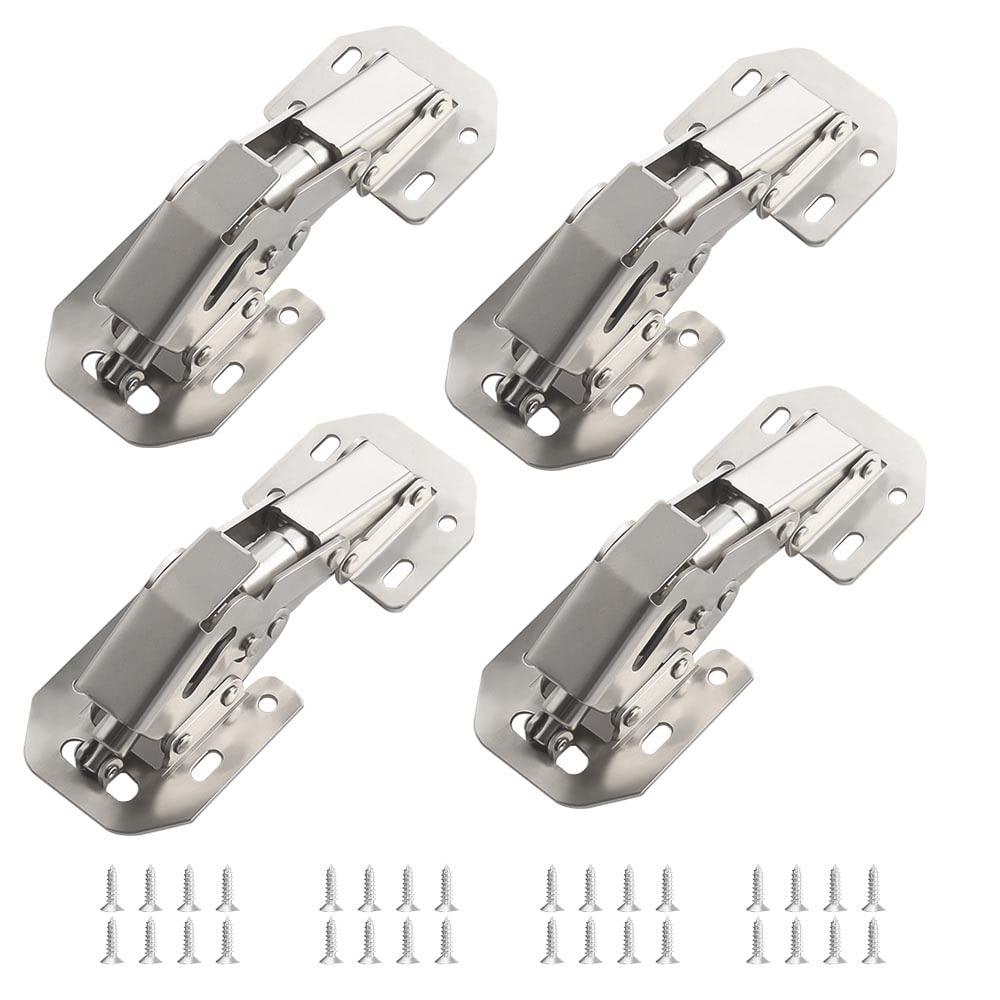
Figure 2: High-quality damping hinges designed for wholesale distribution to furniture manufacturers.
2. Consumer Electronics: The Art of the Friction Hinge
While the furniture industry focuses on damping (slowing motion down), the consumer electronics industry is obsessed with positioning (holding motion still). Laptops, 2-in-1 convertible tablets, and portable monitors rely entirely on friction hinges (also known as torque hinges).
2.1 The Challenge of Laptop Screen Hinge Torque
Designing a laptop screen hinge torque custom solution is one of the most difficult mechanical engineering tasks in consumer electronics. The hinge must provide enough resistance to hold a heavy, high-resolution OLED screen perfectly still against gravity and the vibration of typing. However, it must also be smooth enough to allow the user to open the laptop with one hand without lifting the base off the desk.
Furthermore, this immense torque must be generated within a hinge chassis that is often less than 5 millimeters in diameter to accommodate ultra-thin laptop designs.
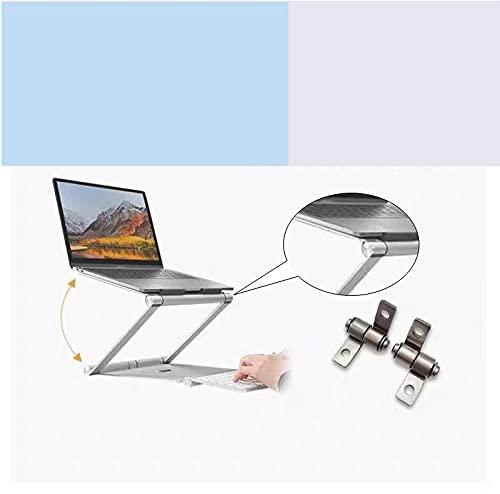
Figure 3: Miniature 360-degree friction hinges engineered for laptops and convertible tablets.
2.2 Custom OEM Design and Prototyping
Off-the-shelf friction hinges rarely work for innovative consumer electronics. The weight of the screen, the length of the lever arm, and the desired “feel” are unique to every device.
A successful friction hinge custom OEM design requires a close partnership between the device manufacturer and the hinge factory. At Janhinge, this process involves:
1.Torque Profiling: Our engineers analyze the customer’s CAD models to calculate the exact torque curve required, often designing asymmetric hinges (higher torque when closing, lower torque when opening).
2.Material Selection: We utilize hardened steel shafts and specialized friction bands or multiple thin friction disks to maximize surface area within a microscopic footprint.
3.Rapid Prototyping: Utilizing our in-house CNC machining centers, we can deliver functional, custom-machined hinge prototypes within 15 to 20 days for R&D validation.
3. The Strategic Advantage of a Direct Factory Partner
Whether you are ordering a million soft-close hinges for a global furniture brand or co-developing a micro-hinge for a next-generation foldable smartphone, the supply chain matters.
Relying on trading companies or middlemen introduces communication delays, quality control blind spots, and inflated costs. Partnering directly with a specialized rotary damper and friction hinge factory in China provides several distinct advantages:
•Direct Engineering Communication: Your R&D team speaks directly with the engineers designing the molds and programming the CNC machines, ensuring no technical details are lost in translation.
•Scalability: A true factory partner can seamlessly transition from producing 50 custom prototypes to fulfilling a wholesale bulk order of 500,000 units per month without compromising quality.
•Cost Efficiency: By eliminating the middleman and leveraging highly automated production lines, direct factories offer the most competitive pricing for high-volume wholesale orders.
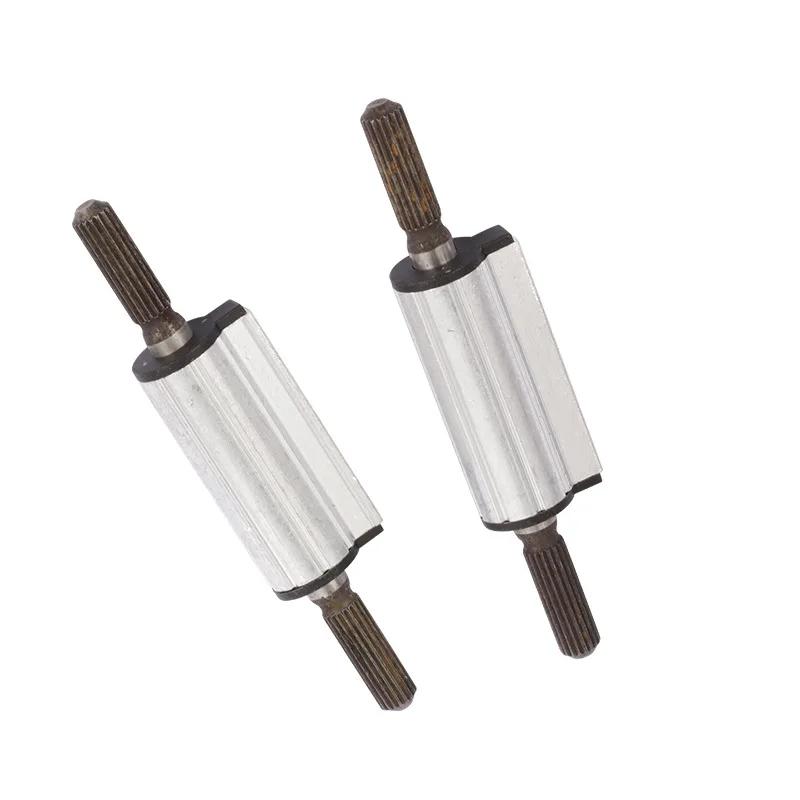
Figure 4: Janhinge’s automated production facilities, capable of scaling from custom OEM prototypes to massive wholesale bulk orders.
4. Conclusion
In the competitive arenas of furniture manufacturing and consumer electronics, motion control is a defining characteristic of product quality. By understanding the mechanics of damping and friction, and by strategically partnering with a direct OEM factory capable of high-volume, high-precision manufacturing, brands can ensure their products deliver a flawless user experience every time they are opened or closed.
Contact Janhinge today to discuss your wholesale procurement needs, request a quote for bulk orders, or initiate a custom OEM hinge design project with our engineering team. Discuss more on Whatsapp.
5. Frequently Asked Questions (FAQ)
Q1: What is the minimum order quantity (MOQ) for a wholesale bulk order of damping hinges?
A: For our standard, off-the-shelf damping hinges and rotary dampers, the MOQ is typically very low, often starting at just 1,000 to 5,000 pieces. For custom OEM designs that require new tooling, the MOQ will depend on the complexity of the mold, but we always support small-batch prototype runs before mass production.
Q2: How long does it take to develop a custom friction hinge for a new laptop design?
A: The timeline depends on the complexity. Once we receive your CAD files and torque requirements, our engineering team will provide a design proposal within 3-5 days. After design approval, we can typically manufacture and deliver functional, custom-machined prototypes within 15 to 20 days.
Q3: Can you provide asymmetric torque for laptop hinges?
A: Yes. Asymmetric torque is highly recommended for laptops and tablets. We can engineer the friction bands to provide, for example, 30% less resistance when opening the screen (allowing for one-handed opening) and 100% resistance when pushing the screen backward (preventing it from falling).
Q4: How do you ensure quality control on a wholesale order of 100,000 rotary dampers?
A: We do not rely on batch sampling. Janhinge utilizes 100% automated online testing. Every single rotary damper and friction hinge is placed on an automated testing rig at the end of the assembly line. If the torque falls outside the specified ±10% tolerance, the machine automatically rejects the unit.
Q5: Are your soft-close cabinet hinges resistant to rust and corrosion?
A: Yes. Our furniture damping hinges are manufactured using high-quality cold-rolled steel and undergo a rigorous multi-layer nickel-plating process. They are subjected to extensive salt-spray testing to ensure they will not rust, even in high-humidity environments like kitchens and bathrooms.