
The global transition toward renewable energy and electric mobility is driving unprecedented innovation in hardware design. As Electric Vehicles (EVs), charging infrastructure, and Battery Energy Storage Systems (BESS) become ubiquitous, the mechanical components that protect and operate these systems must evolve.
In the new energy sector, a hinge is no longer just a pivot point; it is a critical safety and user-experience component. Whether it is a heavy steel door on an outdoor energy storage cabinet or the delicate charging flap on a luxury EV, precision motion control is essential.
In this technical guide, the engineering team at Janhinge explores the specialized applications of rotary dampers and friction hinges in the rapidly expanding EV and energy storage markets.
1. Electric Vehicle (EV) Charging Ports: The First Point of Contact
For an EV owner, the charging port cover is one of the most frequently interacted-with components on the vehicle exterior. Its operation sets the tone for the perceived quality of the entire car.
1.1 The Mechanics of the EV Charging Flap
When a user presses the release button, the charging flap should not spring open violently and bounce against the fender. Instead, an EV charging port cover rotary damper is integrated into the hinge mechanism.
This micro-damper utilizes temperature-stable silicone oil to absorb the kinetic energy of the spring-loaded flap, ensuring it glides open smoothly and stops gracefully. When closing, the damper provides a satisfying, tactile resistance that communicates premium engineering.
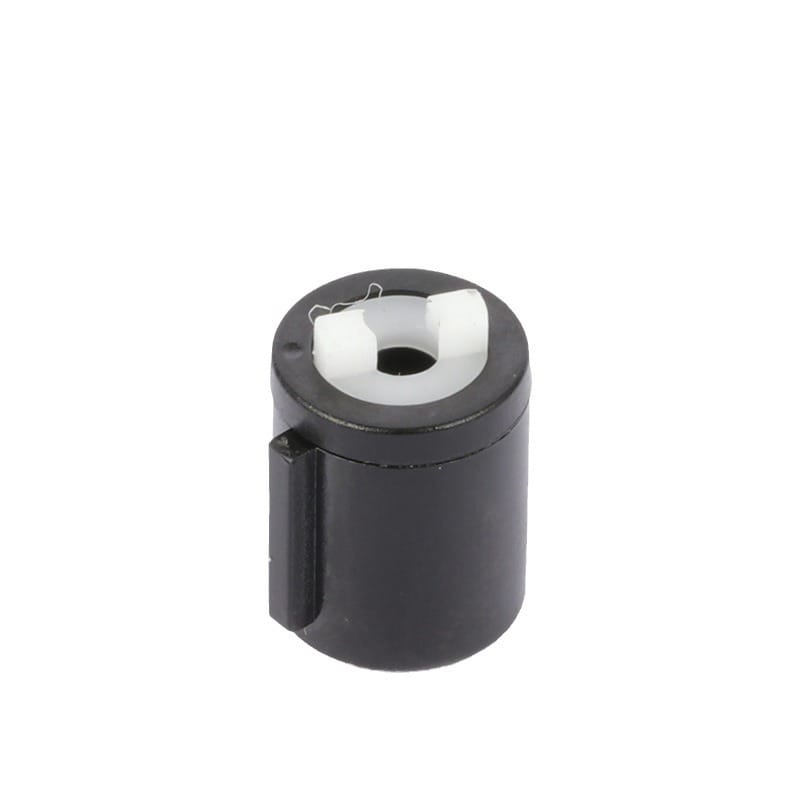
Figure 1: Rotary dampers integrated into EV charging port hinges provide a smooth, controlled opening motion, enhancing the premium feel of the vehicle.
1.2 Overcoming Automotive Engineering Challenges
Designing a new energy vehicle charging flap hinge damper presents unique challenges:
•Extreme Temperature Cycling: The damper must perform consistently whether the car is parked in a freezing Nordic winter (-40°C) or a scorching desert summer (+85°C). Janhinge utilizes High Viscosity Index (HVI) silicone oils to flatten the viscosity curve, ensuring consistent damping force across extreme temperature ranges.
•Environmental Sealing: The charging port is exposed to rain, snow, and high-pressure car washes. Our automotive-grade dampers feature ultrasonic welding and dual-lip O-ring seals to guarantee zero oil leakage and prevent water ingress.

Figure 2: Precision hinge and damper assemblies are critical for the reliable operation of motorized EV charging flaps.
2. EV Charging Stations: Rugged Outdoor Motion Control
Public EV charging stations are subjected to harsh weather, vandalism, and constant use by thousands of different drivers. The mechanical enclosures protecting the high-voltage electronics must be exceptionally robust.
2.1 Heavy-Duty Enclosure Door Hinges
The access doors on commercial EV charging pedestals are often made of heavy-gauge steel or thick polycarbonate. When maintenance technicians open these doors, they need them to stay open securely, even in high winds.
This is achieved using heavy-duty energy storage cabinet door friction hinge technology. These asymmetric friction hinges provide high holding torque to keep the heavy door safely propped open at any angle, while offering lower resistance when the technician pushes the door closed.
2.2 Soft-Close Protection for Connectors
Many premium charging stations feature protective covers over the charging connectors (plugs) when not in use. An EV charging station door hinge damper ensures that when a user unplugs their car and lets go of the station’s cover, it does not slam shut and shatter the plastic housing. The soft-close mechanism protects the expensive charging infrastructure from impact damage.
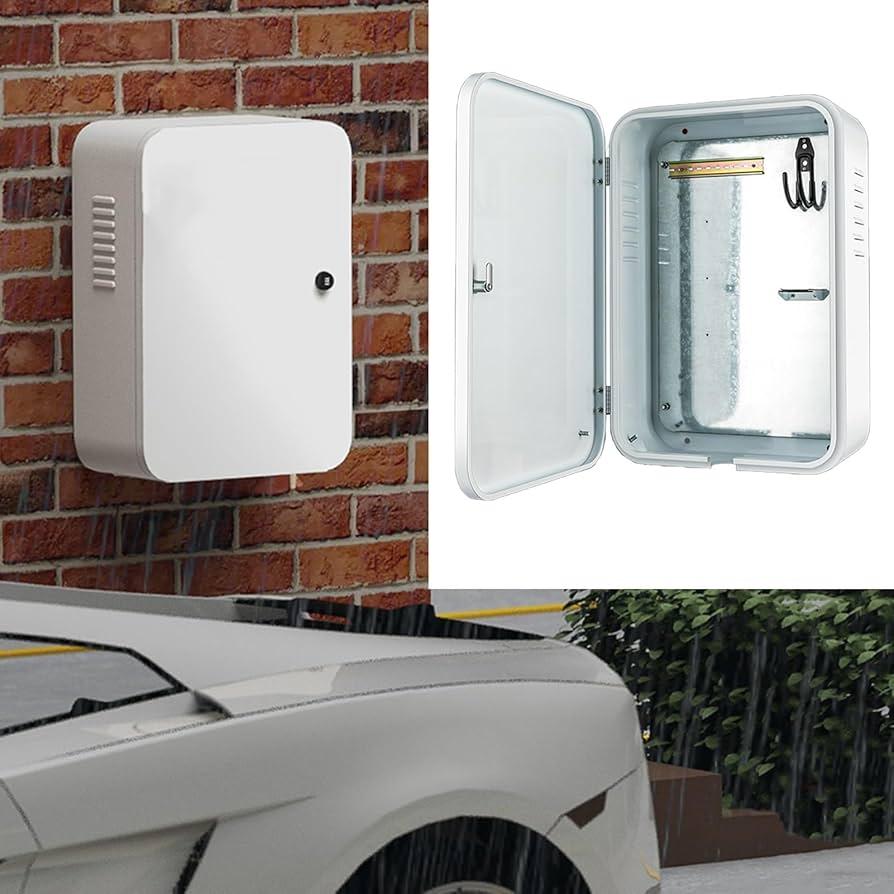
Figure 3: Outdoor EV charger enclosures require weather-resistant hinges and dampers to protect internal electronics.
3. Battery Energy Storage Systems (BESS)
As the grid shifts to renewable sources, massive Battery Energy Storage Systems (BESS) are being deployed globally. These systems are housed in large, containerized cabinets that require specialized industrial hardware.
3.1 Managing Massive Access Panels
BESS cabinets feature large, heavy access panels for battery swapping and maintenance. If a gust of wind catches an unsecured panel, it can cause severe injury to a technician or damage the battery modules.
Janhinge engineers high-torque, industrial-grade friction hinges specifically for these applications. These hinges can generate over 15 N·m of holding torque, ensuring that even a 20 kg steel door remains firmly locked in the open position during maintenance operations.
Figure 4: Large-scale outdoor energy storage cabinets rely on heavy-duty friction hinges for safe maintenance access.
3.2 Internal Battery Compartment Dampers
Inside the BESS, individual battery modules are often housed behind secondary protective covers. An electric vehicle battery cover hinge rotary damper is used to ensure these internal covers open and close smoothly, preventing shock and vibration from being transferred to the sensitive lithium-ion cells during maintenance.
4. Partnering with an OEM Motion Control Expert
The new energy sector moves at lightning speed. EV manufacturers and charging infrastructure companies cannot afford to rely on off-the-shelf hardware that was designed for indoor furniture. They need automotive-grade, weather-resistant motion control solutions.
As a direct OEM factory, Janhinge provides the specialized engineering required for the EV and energy storage markets:
•IATF 16949 Compliance: Our manufacturing processes adhere to the strict quality management standards required by the global automotive supply chain.
•Custom Torque Engineering: We calculate the exact torque required for your specific charging flap or heavy steel door and customize the internal friction bands or silicone oil viscosity to match.
•Rapid Prototyping: We can deliver functional, custom-machined prototypes for your new EV or charging station design within 20 days.
Contact the Janhinge engineering team today to discuss your specific motion control requirements for the new energy sector.
5. Frequently Asked Questions (FAQ)
Q1: Can your rotary dampers survive the extreme temperatures of an outdoor EV charging station?
A: Yes. Standard silicone oil degrades in extreme weather, but we utilize specialized High Viscosity Index (HVI) synthetic fluids. These fluids maintain a consistent damping force from -40°C to +85°C, ensuring your charging station covers operate smoothly in any climate.
Q2: What is the difference between a standard hinge and a friction hinge on an energy storage cabinet?
A: A standard hinge swings freely; if you let go of the heavy cabinet door, it will swing shut (or open further) due to gravity or wind. A friction hinge (torque hinge) provides constant resistance, holding the heavy door securely at the exact angle you leave it, which is critical for technician safety during maintenance.
Q3: Do you manufacture dampers for EV interior applications like glove boxes and center consoles?
A: Absolutely. We supply millions of new energy vehicle interior soft close damper units annually. These micro-dampers are used in glove boxes, sunglass holders, cup holder lids, and center console armrests to provide the luxurious, silent tactile feedback expected in modern EVs.
Q4: How do you prevent water and dust from destroying the damper in an outdoor application?
A: For outdoor applications like EV charging ports and BESS cabinets, we upgrade the damper housing. We use UV-resistant engineering plastics (like PC or PBT) or zinc alloy die-casting, combined with ultrasonic welding and dual-lip O-ring seals to achieve high IP (Ingress Protection) ratings against water and dust.
Q5: What is the lead time for a custom friction hinge for a new EV charging pedestal design?
A: Once our engineers review your CAD files and calculate the required holding torque, we can typically provide a design proposal within 3-5 days. Following your approval, we can manufacture and deliver custom, functional prototypes within 15 to 20 days for your R&D testing.