
Have you ever noticed the difference between a luxury car and an economy rental when you open the glove box? In the rental, you press the latch and the plastic door drops like a rock, smacking your knees. In the luxury car, the door glides open with a smooth, deliberate, almost cinematic slowness.
That satisfying, high-end “feel” isn’t magic. It’s a rotary damper.
As consumers, we interact with these tiny mechanical marvels dozens of times a day without ever seeing them. But for product designers, engineers, and procurement teams, the rotary damper is the secret weapon for elevating a product’s perceived value. At Janhinge, we’ve spent years perfecting the art of motion control. Today, we’re pulling back the curtain to show you exactly how these components work in the real world, why cheap dampers fail, and how to specify the right one for your next project. Discuss more on Whatsapp.
The Psychology of “Soft Close”
Before we dive into the engineering, let’s talk about human psychology. Why do we care if a lid closes slowly?
In product design, acoustic and tactile feedback are massive drivers of perceived quality. A loud “clack” or a jarring impact signals to our brains that a product is flimsy, hollow, or poorly assembled. Conversely, a silent, controlled motion implies weight, precision, and durability.
When a brand integrates a rotary damper into a product, they aren’t just preventing a lid from slamming; they are engineering an emotional response. They are telling the user, “This product is well-made.”
Everyday Applications You Probably Missed
Rotary dampers are hidden inside a surprising number of household and automotive products. Let’s look at a few places where they do their best work.
1. The Automotive Glove Box
This is perhaps the most classic application of the barrel-style rotary damper. When you release the latch, gravity wants to pull the heavy plastic door down instantly.
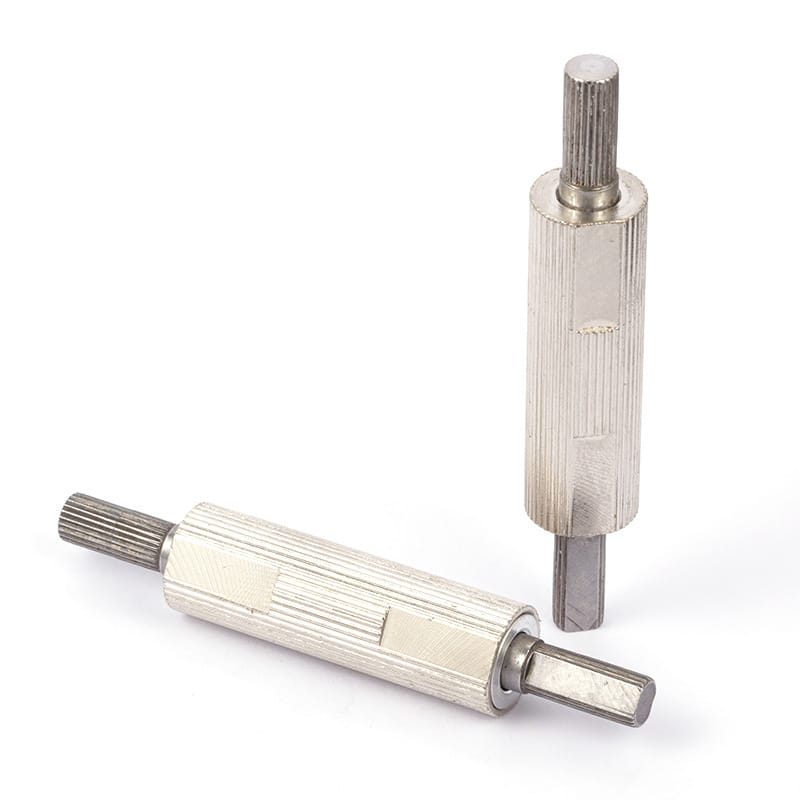
Figure 1: A barrel damper attached to the side of an automotive glove box. As the door opens, the damper’s internal rotor shears against silicone oil to slow the descent.
A small damper, usually mounted on the side of the glove box assembly, is connected to the door via a small gear or a pull-cord. As the door drops, it forces the damper’s rotor to spin through highly viscous silicone oil. The fluid resistance counteracts gravity, resulting in that signature smooth glide.
2. The Top-Load Washing Machine
If you’ve bought a top-load washing machine in the last five years, you’ve likely noticed the heavy glass lid doesn’t slam shut anymore.
Figure 2: Heavy-duty rotary dampers are integrated directly into the hinge mechanisms of modern washing machines to prevent the heavy glass lids from shattering.
These lids are heavy, and a free-falling glass lid is a serious safety hazard (and a noise nuisance). Manufacturers use heavy-duty vane dampers integrated directly into the hinge axis. These dampers are specifically designed to handle high torque loads, ensuring the lid closes gently over a span of 3 to 5 seconds, protecting both the machine and the user’s fingers.
3. The Premium Rice Cooker
It’s not just about closing; dampers are also used for controlled opening. Think about a high-end rice cooker. When you press the release button, the spring-loaded lid doesn’t violently pop open and bounce back and forth.
Figure 3: In appliances like rice cookers, dampers work against the opening spring to provide a smooth, controlled reveal.
Instead, a small rotary damper works against the opening spring. The spring provides the upward force, and the damper provides the resistance. The result is a lid that rises gracefully, like a curtain opening on a stage.
The Anatomy of a Failure: Why Cheap Dampers Ruin Good Products
If rotary dampers are so great, why doesn’t every product use them? The truth is, many do—but they use cheap ones. And a cheap damper is often worse than no damper at all.
When a procurement team is pressured to cut costs, the rotary damper is an easy target. It’s hidden inside the product, so the consumer won’t notice if a $2.00 premium damper is swapped for a $0.30 generic alternative.
At least, they won’t notice on day one. But by day 100, the difference becomes painfully obvious. Here is exactly what goes wrong when you cut corners on motion control.
1. The “Winter Freeze” (Poor Oil Quality)
The damping effect relies entirely on the viscosity of the silicone oil inside the housing. Cheap dampers use low-grade mineral oils or basic silicones that are highly sensitive to temperature changes.
If you’ve ever gotten into your car on a freezing winter morning and found that the glove box won’t open at all, you’ve experienced this firsthand. The cheap oil has thickened into a sludge, locking the rotor in place. Conversely, on a hot summer day, that same oil thins out like water, and the glove box slams open as if the damper isn’t even there.
The Premium Solution: Janhinge’s rotary dampers utilize synthetic, high-viscosity index (VI) silicone fluids. These advanced oils maintain a stable, consistent thickness whether it’s -20°C or +60°C, ensuring the product feels exactly the same in January as it does in July.
2. The “Sudden Slam” (Seal Failure)
A rotary damper is a pressurized environment. As the rotor pushes against the oil, that oil tries to escape through the path of least resistance.
In cheap dampers, the O-ring seals are made from low-grade rubber that degrades over time, or the plastic housing is molded with poor tolerances. Eventually, the pressurized oil blows past the seal and leaks out. Once the oil is gone, the damping effect vanishes instantly. The user goes to close their washing machine lid, expecting a soft close, and instead, it slams shut with a terrifying crash.
The Premium Solution: Quality manufacturers use ultrasonic welding to seal the damper housings and utilize aerospace-grade NBR or EPDM O-rings. More importantly, they design the internal geometry to manage pressure spikes, ensuring the seals are never pushed beyond their limits.
The Testing Gauntlet: How to Spot a Quality Damper
If you’re an engineer or a procurement manager, how do you know if the damper you’re sourcing is going to last 50,000 cycles or fail after 500? You can’t just look at it. You have to look at the data.
When you partner with a reputable OEM/ODM manufacturer, they don’t just send you a box of parts; they send you a mountain of test data. Here’s what you should be asking for before you sign a purchase order.
1. The 100% Torque Inspection
This is the gold standard of quality control. Every single damper that comes off the assembly line should be placed on a torque testing machine.

Figure 4: A 100% torque inspection line ensures that every damper meets the exact specifications before it leaves the factory.
The machine spins the rotor at a specific speed (e.g., 20 RPM) and measures the exact resistance force in Newton-meters (N·m) or kilogram-force centimeters (kgf·cm). If the damper falls outside the specified tolerance window (usually ±10% to ±15%), it is rejected.
If a supplier only does “batch testing” (testing one out of every 100 dampers), you are playing Russian roulette with your product’s quality.
2. The Lifecycle Test (Durability)
A damper might pass the torque test on day one, but what about day 1,000? A lifecycle test simulates years of real-world use.
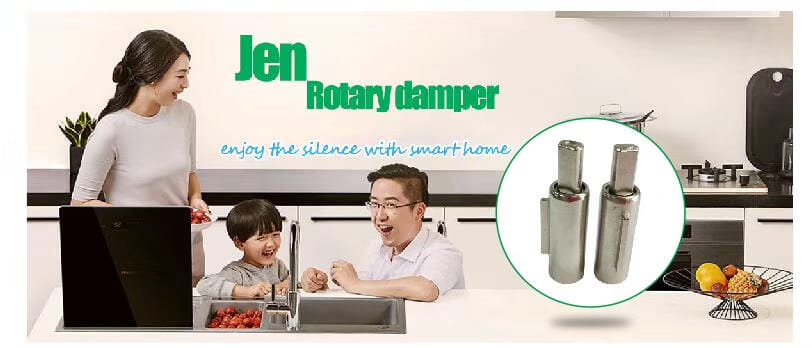
Figure 5: Precision torque testing equipment is used to verify the damping force and ensure consistency across production batches.
The damper is attached to a robotic arm that opens and closes it continuously, 24 hours a day. A high-quality damper should survive 50,000 to 100,000 cycles with less than a 20% drop in its original torque value. If the torque drops by 50% after 10,000 cycles, the internal oil is breaking down or the seals are failing.
3. The Environmental Chamber
As we discussed earlier, temperature is the enemy of silicone oil. A reputable manufacturer will place their dampers in an environmental testing chamber. They will cycle the temperature from -40°C to +85°C while continuously operating the damper.
This test proves two things: first, that the oil viscosity remains stable enough to provide damping force at extremes; and second, that the plastic housing and rubber seals don’t crack or shrink under thermal stress, which would lead to catastrophic oil leaks.
Frequently Asked Questions (FAQs)
Q1: Why does my car’s glove box slam open in the summer but barely open in the winter?
This is a classic sign of a cheap rotary damper using low-grade silicone oil. The oil thins out in the heat (losing its damping ability) and thickens in the cold (creating too much resistance). High-quality dampers use synthetic, high-viscosity index oils that remain stable across extreme temperature ranges.
Q2: Can I add a rotary damper to a product that wasn’t designed for one?
It’s possible, but challenging. Rotary dampers must be mounted perfectly in line with the hinge axis to avoid lateral (side) loads, which will quickly destroy the damper’s seals. If you’re retrofitting a product, you’ll likely need to design a custom mounting bracket or use a flexible coupling to ensure the damper only experiences rotational force.
Q3: What’s the difference between a rotary damper and a friction hinge?
A rotary damper uses fluid resistance (silicone oil) to slow down motion, making it ideal for soft-close lids and doors. A friction hinge uses mechanical friction (metal plates rubbing together) to hold a component in a specific position, like a laptop screen or an adjustable monitor arm.
Q4: How long should a high-quality rotary damper last?
A premium rotary damper, when installed correctly without lateral loading, should easily exceed 50,000 to 100,000 operational cycles. For most consumer products, this equates to the entire lifespan of the product itself.
Q5: How do I know what torque rating I need for my product?
You don’t need to guess. Provide a reputable manufacturer like Janhinge with the weight of your lid, the distance from the hinge to the center of gravity, and your desired closing time (e.g., 3 seconds). Their engineering team will calculate the exact torque required and recommend the perfect damper for your application. Contact Janhinge for a custom torque calculation.
Conclusion
The rotary damper is the unsung hero of modern product design. It’s the difference between a jarring, cheap experience and a smooth, premium interaction. Whether you’re designing a luxury car interior, a high-end kitchen appliance, or a heavy-duty industrial machine, the quality of your motion control components speaks volumes about your brand.
By understanding the psychology of the “soft close,” recognizing the hidden costs of cheap generic dampers, and demanding rigorous testing data from your suppliers, you can elevate your products from ordinary to extraordinary. Don’t let a $0.50 component ruin a $500 product. Partner with an experienced OEM manufacturer like Janhinge to ensure your motion control is as reliable as the rest of your engineering.
The Hidden Cost of “Good Enough”
It’s tempting for procurement teams to look at a spreadsheet and see a 30% cost savings on a generic rotary damper. But what is the true cost of that decision?
Let’s say you manufacture a premium $800 top-load washing machine. You save $1.50 by using a generic damper on the glass lid. Six months later, the cheap O-ring seal fails. The customer drops the lid, it slams shut, and the tempered glass shatters.
Now, your company is on the hook for:
1.Warranty Replacement: Shipping a new glass lid (which is heavy and fragile) costs $50.
2.Service Call: Sending a technician to the customer’s home to install the lid costs $150.
3.Brand Damage: The customer leaves a 1-star review online, complaining that your “premium” machine is dangerous and cheaply made. How many future sales does that review cost you?
That $1.50 savings just cost your company over $200 in direct expenses, plus incalculable damage to your brand’s reputation.
When you view motion control components through the lens of Total Cost of Ownership (TCO), the “expensive” premium damper is actually the cheapest option available. It’s an insurance policy against catastrophic failure and a direct investment in customer satisfaction.
The Janhinge Difference
At Janhinge, we don’t just sell dampers; we engineer motion. We understand that our components are the physical touchpoints between your brand and your customer. That’s why we invest heavily in automated 100% torque inspection lines, rigorous lifecycle testing, and advanced materials science.
Whether you need a miniature barrel damper for a luxury car’s center console or a heavy-duty vane damper for an industrial freezer, our engineering team is ready to collaborate. We’ll help you calculate the exact torque profile, select the optimal silicone fluid for your operating environment, and ensure your product delivers that signature “soft close” feel for years to come. Discuss more on Whatsapp.