
In the discipline of mechanical product design, controlling how components move is just as important as the components themselves. A heavy lid that slams shut or a monitor arm that drifts downward are symptoms of poor motion control engineering.
To solve these issues, engineers rely on a specialized category of hardware: the motion control hinge. These components, which include friction hinges and damper hinges, are the invisible forces that dictate the tactile feel, safety, and longevity of a product.
This technical guide, developed by the engineering team at Janhinge, delves into the mechanics of the hydraulic damper hinge, explains how to calculate rotary damper torque, and outlines the strategic advantages of partnering with a dedicated soft close hinge factory for OEM production.
1. The Mechanics of Damping: Hydraulic vs. Rotary
When a product requires a “soft-close” feature—whether it is a kitchen cabinet, a piano lid, or an automotive glove box—engineers must choose the appropriate damping mechanism. The two most common technologies are hydraulic dampers and rotary dampers.
1.1 The Hydraulic Damper Hinge
A hydraulic damper hinge utilizes a linear piston mechanism. As the hinge closes, a piston is pushed into a sealed cylinder filled with hydraulic fluid (often oil or gas). The fluid is forced through a tiny, precision-engineered valve or orifice.
The resistance of the fluid passing through this narrow opening absorbs the kinetic energy of the closing door, slowing it down. Hydraulic dampers are highly effective at absorbing sudden, heavy impacts and are the standard choice for heavy-duty kitchen cabinetry and industrial doors.
1.2 The Rotary Damper
A rotary damper, on the other hand, operates on rotational fluid dynamics. Instead of a linear piston, it features a rotor (often with vanes or gears) spinning inside a cylindrical housing filled with high-viscosity silicone oil.
As the hinge rotates, the rotor shears the silicone oil. This fluid friction (shear force) generates the damping resistance. Rotary dampers are incredibly compact and can provide continuous 360-degree damping (gear type) or high-torque limited-angle damping (vane type). They are the preferred choice for consumer electronics, automotive interiors, and sanitary ware (toilet seats).
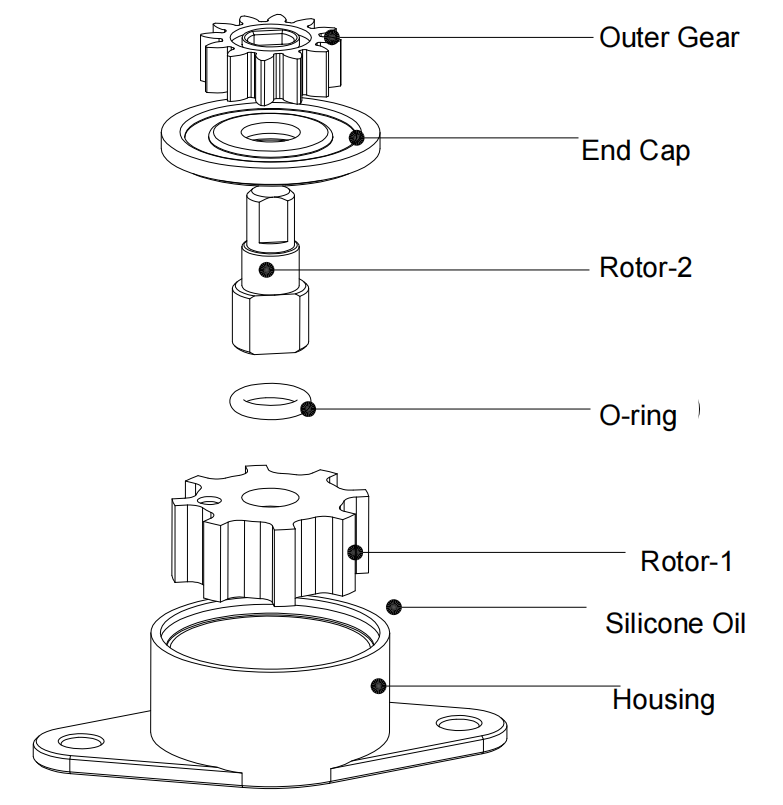
Figure 1: Exploded view of a rotary damper, illustrating the rotor, silicone oil chamber, and sealing O-ring.
2. Calculating Rotary Damper Torque
The most critical step in specifying a motion control component is determining the correct torque. If the rotary damper torque is too low, the lid will slam. If it is too high, the lid will close too slowly or stall completely.
2.1 The Fundamental Torque Equation
For a lid or door pivoting on a horizontal axis (where gravity is the primary force), the maximum torque occurs when the lid is perfectly horizontal. The basic engineering formula is:
T = W × L × cos(θ)
Where:
•T = Torque (typically measured in N·m or kgf·cm)
•W = Weight of the moving part (in Newtons or kgf)
•L = Distance from the hinge pivot point to the center of gravity of the moving part (in meters or cm)
•θ (Theta) = The angle of the lid relative to horizontal (0° is fully horizontal, where cos(0) = 1)
2.2 The Speed-Torque Relationship
It is crucial for engineers to understand that in fluid-based dampers, torque is not static; it is velocity-dependent.
As shown in a typical damper torque speed curve, the resistance generated by the silicone oil increases as the rotational speed increases. This means the damper pushes back harder against a fast-moving (slamming) lid than it does against a slow-moving lid. When calculating torque, engineers must factor in the desired closing time (e.g., 3 to 5 seconds) to select the appropriate silicone oil viscosity.
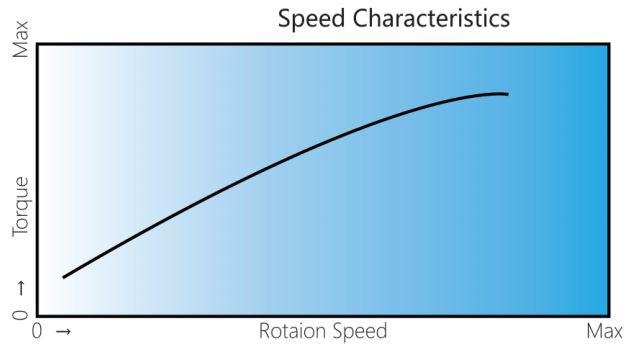
Figure 2: A typical speed-torque curve for a rotary damper, demonstrating how damping resistance increases with rotational velocity.
3. The Importance of a Specialized OEM Partner
Calculating the theoretical torque is only the first step. Translating that mathematical model into a mass-produced, reliable physical component requires a specialized manufacturing partner.
Many procurement teams make the mistake of buying off-the-shelf hinges from trading companies. For innovative product design, a direct partnership with a damping hinge OEM (Original Equipment Manufacturer) is essential.
3.1 Custom Torque Tuning
An off-the-shelf damper rarely matches the exact weight and center of gravity of a custom product design. A specialized soft close hinge factory like Janhinge does not just sell parts; we tune them.
Our engineers take your CAD models and adjust the internal geometry of the damper rotor or modify the viscosity of the silicone oil to achieve the exact closing speed and tactile feel your product requires.
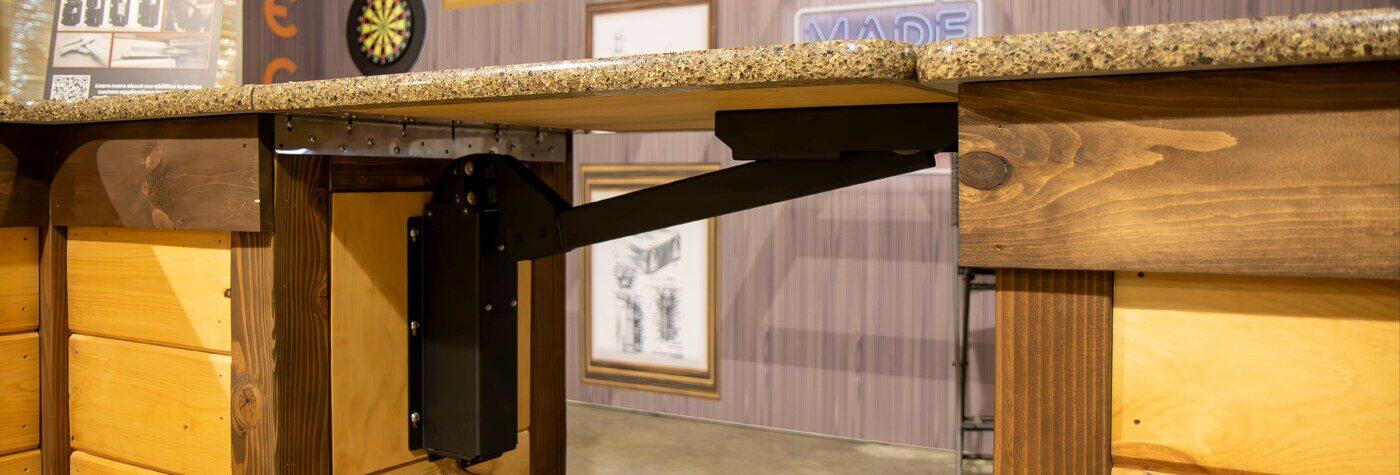
Figure 3: Custom motion control engineering is critical for differentiating premium products in the market.
3.2 Vertical Integration and Quality Control
The reliability of a damper hinge depends entirely on its manufacturing tolerances. A gap of 0.05mm in the housing can lead to catastrophic oil leakage.
Janhinge operates a vertically integrated manufacturing facility. We design and cut our own injection molds using multi-axis CNC machines. We utilize automated, robotic assembly lines to inject the silicone oil with milligram precision, and we seal the dampers using ultrasonic welding.
Most importantly, every single damper undergoes 100% automated torque inspection before it leaves our factory. We do not rely on batch sampling; we guarantee the performance of every unit.
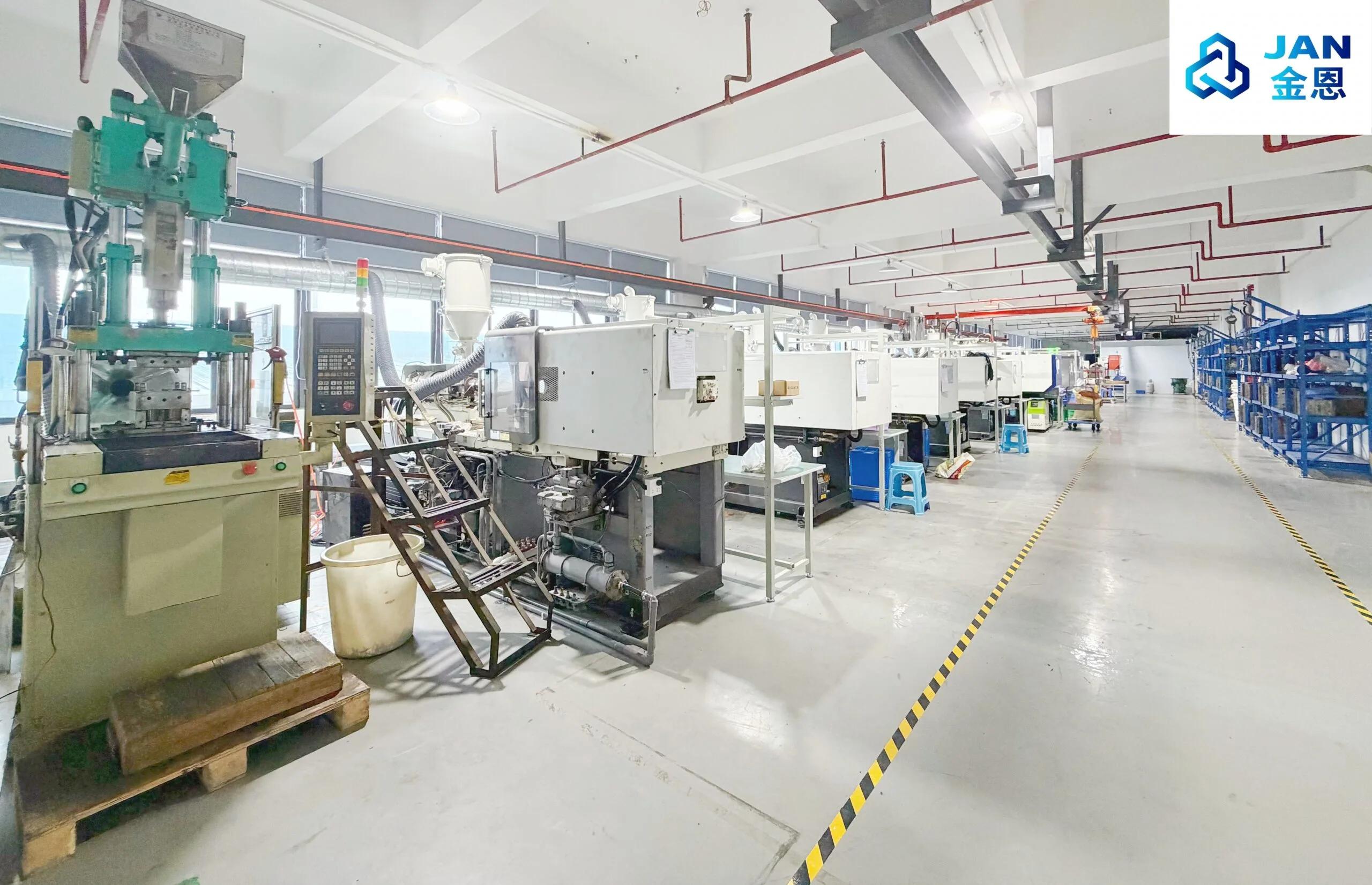
Figure 4: Janhinge’s automated production floor, ensuring micron-level precision and 100% quality inspection for OEM bulk orders.
4. Conclusion
Mastering motion control is a defining characteristic of premium product engineering. By understanding the differences between hydraulic and rotary damping, accurately calculating torque requirements, and partnering with a dedicated OEM manufacturer, brands can ensure their products deliver a flawless, luxurious user experience.
Contact the Janhinge engineering team today to discuss your custom torque requirements, request 3D CAD models, or initiate a rapid prototyping project for your next product launch.
5. Frequently Asked Questions (FAQ)
Q1: Should I use a hydraulic damper hinge or a rotary damper for my product?
A: It depends on the application. Hydraulic damper hinges (linear pistons) are excellent for heavy, high-impact applications like large kitchen cabinets and industrial doors. Rotary dampers are more compact, offer continuous or limited rotation, and are ideal for consumer electronics, automotive interiors, toilet seats, and smaller lids.
Q2: How do I calculate the center of gravity (L) for an irregularly shaped lid?
A: For simple rectangular lids of uniform density, the center of gravity is exactly in the middle (Length / 2). For complex, asymmetrical shapes, the center of gravity must be calculated using 3D CAD software (like SolidWorks or AutoCAD) based on the material density and geometry.
Q3: What happens if the rotary damper torque is too high for my lid?
A: If the torque is over-specified, the fluid resistance will overpower the gravitational force of the lid. The lid will either close agonizingly slowly or it will stall completely before shutting, forcing the user to push it down manually (which can damage the damper).
Q4: Why is it important to work with a direct “soft close hinge factory” rather than a distributor?
A: A direct factory provides engineering support, custom torque tuning, and rapid prototyping. Distributors only sell standard, off-the-shelf parts and cannot modify the internal silicone oil viscosity to match your specific product’s weight and closing speed requirements.
Q5: How does Janhinge prevent oil leakage in its rotary dampers?
A: We prevent leakage through a combination of micron-level precision in our injection molding, the use of premium temperature-stable O-rings, and ultrasonic welding to hermetically seal the damper housing. Finally, 100% of our dampers undergo an automated air-pressure leak test.