
When a product engineer designs a luxury car interior or a high-end consumer device, motion control components are often the unsung heroes. A slamming glove box or a leaking damper can instantly destroy the perceived value of a premium product. To prevent this, global brands do not just buy parts; they partner with a dedicated rotary damper factory capable of scaling precision manufacturing.
But what exactly happens inside a world-class rotary damper manufacturer? How does a concept on a CAD screen transform into millions of identical, flawless components?
At Janhinge, we have spent over 20 years perfecting the art of high-volume motion control manufacturing. In this article, we take you behind the scenes to explore the material science, the rigorous manufacturing processes, and the critical criteria procurement teams must use when auditing a damper supplier. Discuss more on Whatsapp.
1. Material Science: The Foundation of Reliable Damping
The performance and lifespan of a rotary damper are fundamentally dictated by the materials chosen for its construction. A damper is not just a plastic shell; it is a precision fluid dynamics chamber.
1.1 Housing Materials: POM Plastic vs. Zinc Alloy
The housing of a rotary damper must withstand internal fluid pressure and external mechanical stress without deforming.
•POM (Polyoxymethylene) Plastic: Also known as acetal, POM is the industry standard for most consumer and light-industrial applications. It offers excellent dimensional stability, low friction, and high wear resistance. A rotary damper POM plastic housing is lightweight, cost-effective, and perfect for applications like toilet seats, trash cans, and small cabinet doors.
•Zinc Alloy Die-Casting: For heavy-duty applications or environments with extreme temperature fluctuations, plastic is insufficient. Zinc alloy housings provide superior tensile strength and impact resistance. They are essential for high-torque industrial covers and heavy automotive components where a plastic housing might crack under stress.
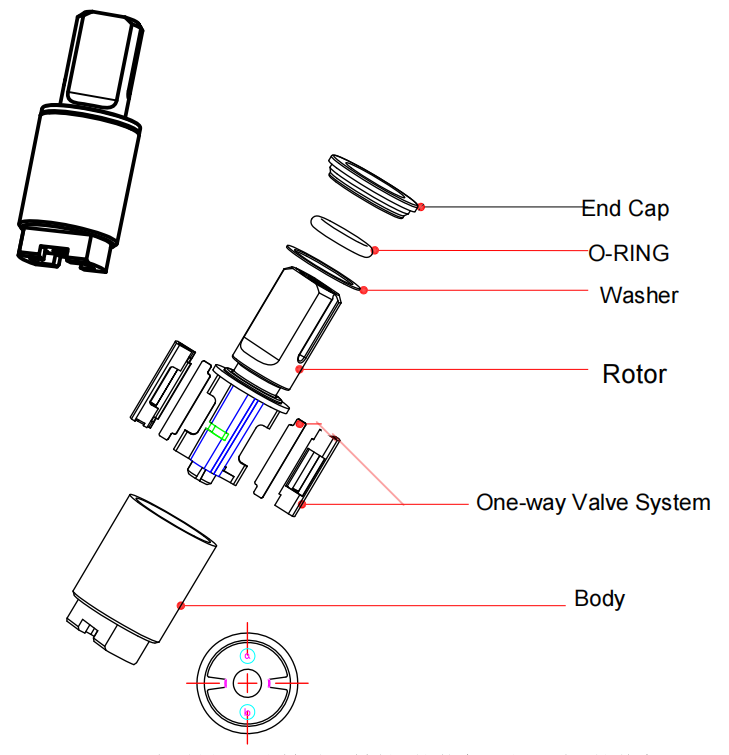
Figure 1: Exploded view of a rotary damper, highlighting the housing, rotor, and critical sealing components.
1.2 The Lifeblood: Silicone Oil Viscosity
The resistance in a rotary damper is generated by the shear force of high-viscosity silicone oil. However, silicone oil is sensitive to temperature changes.
A common failure in cheap dampers is that they become too stiff in the winter and lose all damping force in the summer. Premium manufacturers utilize specialized silicone oil blends that maintain a relatively flat silicone oil viscosity curve across a wide temperature range (typically -20°C to +80°C). This ensures that a car’s glove box opens smoothly whether it is parked in a freezing winter storm or under the blazing summer sun.
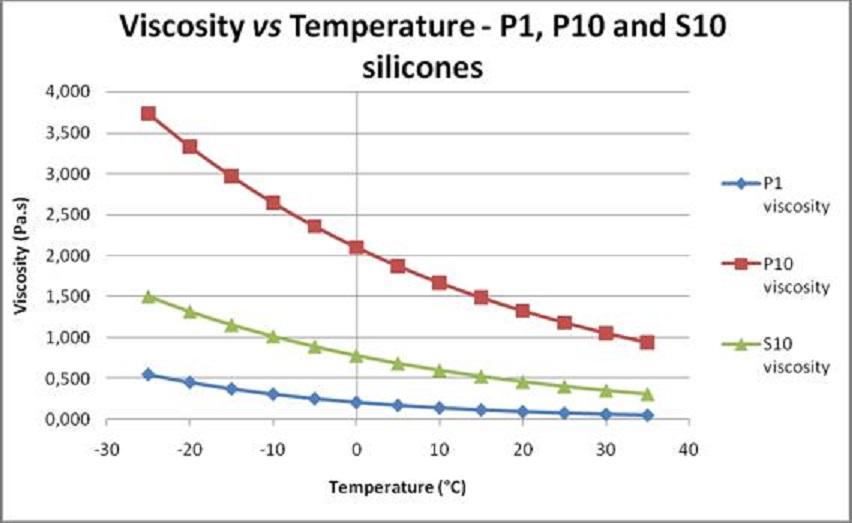
Figure 2: Engineering chart demonstrating the relationship between temperature and silicone oil viscosity.
2. The Manufacturing Process: From Mold to Assembly
You cannot mass-produce a precision component if the mold itself is flawed. The journey of every Janhinge damper begins in our in-house tooling department.
2.1 Precision Injection Molding
In a rotary damper, the gap between the internal rotor and the outer housing holds the silicone oil. If the injection molding is off by even 0.01mm, the fluid shear force changes, and the final torque output will be inconsistent.
Janhinge utilizes advanced multi-axis CNC machining centers to carve injection molds out of hardened steel with micron-level tolerances. On the factory floor, closed-loop temperature controllers on our injection molding machines ensure that the POM or PC plastic is injected at the exact optimal temperature, eliminating internal stresses that cause warpage.
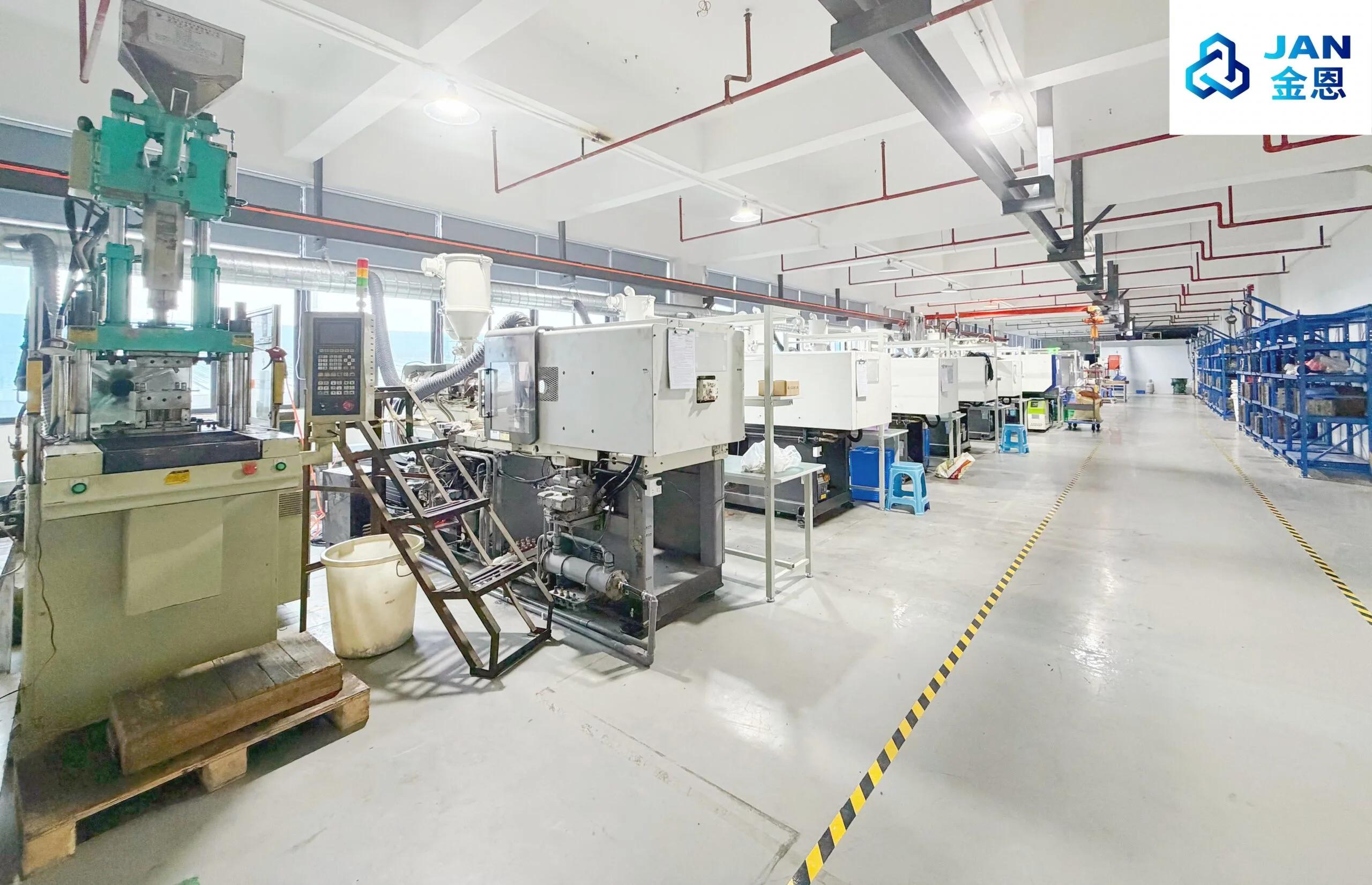
Figure 3: Janhinge’s automated injection molding facility, ensuring micron-level precision for every damper housing.
2.2 Automated Assembly and Ultrasonic Welding
Manual assembly is the enemy of consistency. If workers manually squirt oil into dampers, the volume will vary, leading to inconsistent torque.
Janhinge employs fully automated, pneumatic dispensing systems that inject silicone oil with milligram precision. Once filled, the damper must be permanently sealed. We use ultrasonic welding machines to fuse the plastic cap to the housing at the molecular level, creating a hermetic seal that guarantees zero oil leakage.
3. Automotive Applications: Engineering the Premium Feel
The automotive industry is one of the most demanding sectors for motion control. Automakers require components that are not only durable but also contribute to the “NVH” (Noise, Vibration, and Harshness) strategy of the vehicle.
3.1 The Glove Box and Center Console
An automotive interior damper hinge is critical for the perceived quality of a vehicle. When a driver unlatches the glove box, it should not drop open and hit their knees. Instead, a rotary damper ensures a smooth, controlled, and silent descent.
Similarly, center console lids, overhead grab handles, and sunglass holders all rely on miniature rotary dampers and friction hinges to provide a luxurious, tactile feel. These components must pass rigorous automotive standards, including extreme temperature cycling and vibration testing.
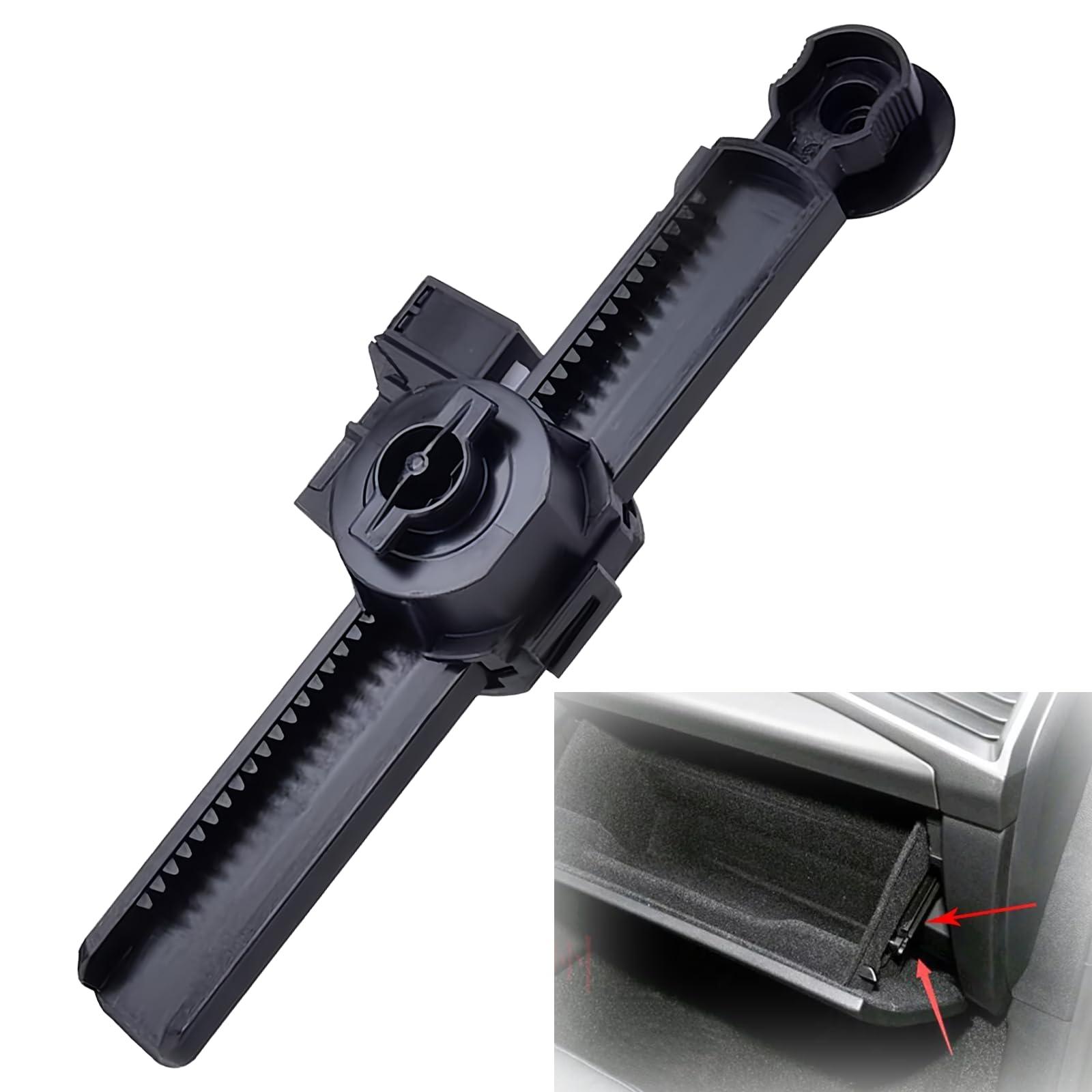
Figure 4: Rotary dampers integrated into an automotive glove box assembly for a premium soft-close experience.
4. Procurement Strategy: How to Audit a Damper Supplier
For OEM procurement managers, selecting a damper supplier based solely on unit price is a dangerous strategy. A failed damper can lead to massive product recalls. Here is a critical damper hinge supplier audit checklist:
1.100% Automated Torque Inspection: Does the supplier rely on statistical sampling (AQL), or do they test every single unit? Janhinge employs a 100% automated torque inspection policy. Every damper is tested on a rig; if the torque falls outside the ±10% tolerance window, it is automatically rejected.
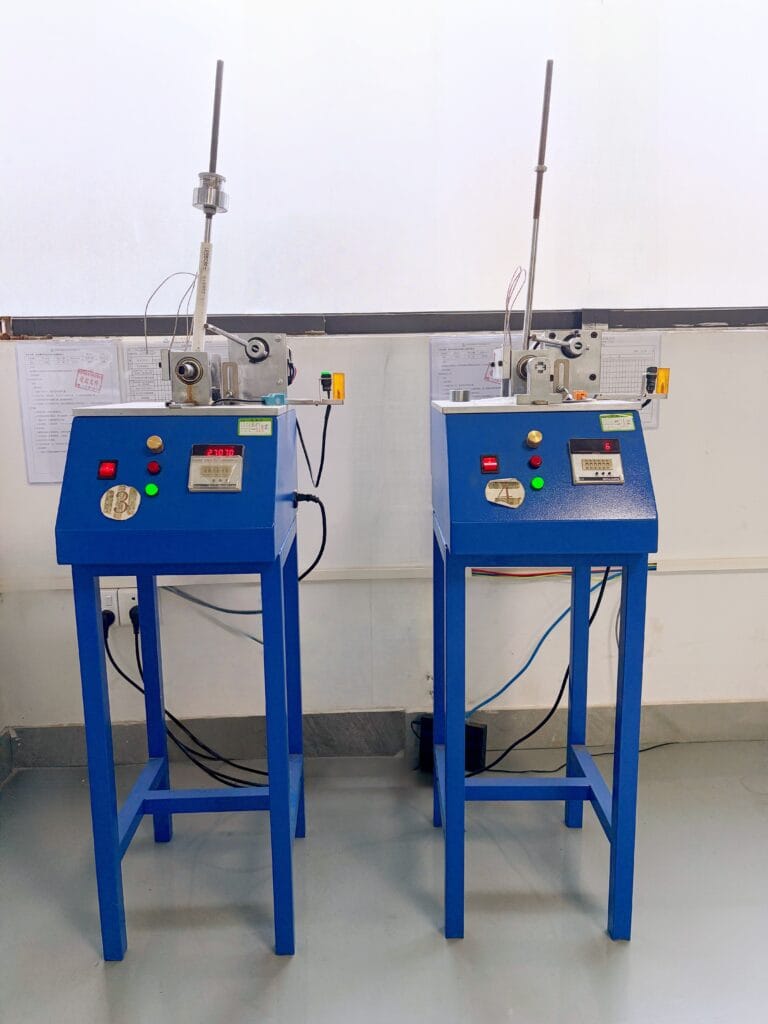
2.In-House Lifecycle Testing: Ask to see the supplier’s testing lab. A reputable manufacturer will have automated machines running continuous lifecycle endurance tests. Janhinge guarantees torque retention above 85% after 50,000 cycles.
3.Vertical Integration: Does the supplier make their own molds, or do they outsource? In-house tooling is crucial for rapid prototyping and maintaining strict quality control.
4.Quality Certifications: Ensure the factory operates under strict international standards, such as ISO 9001:2015 and IATF 16949 (essential for automotive suppliers).
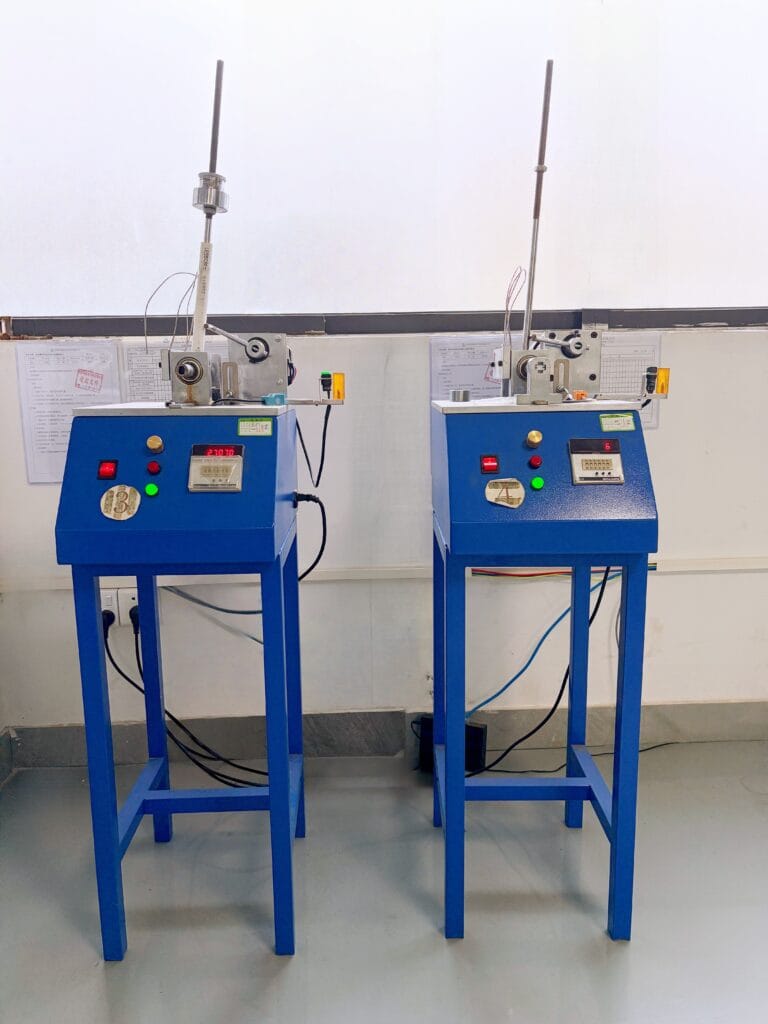
Figure 5: Automated lifecycle endurance testing machines used in Janhinge’s quality control laboratory.
5. Conclusion
The manufacturing of a reliable rotary damper is a complex intersection of material science, fluid dynamics, and precision engineering. By understanding these processes, engineers and procurement teams can make informed decisions that protect their brand’s reputation and elevate their product’s user experience.
Partner with a factory that understands the science of motion. Contact Janhinge today to discuss your custom OEM requirements or to schedule a factory audit.
Frequently Asked Questions (FAQ)
Q1: Why should I choose a zinc alloy housing over a POM plastic housing for my rotary damper?
A: POM plastic is excellent for standard consumer applications. However, if your application involves high torque (heavy loads), extreme temperature variations, or significant mechanical shock (like industrial machinery or automotive exteriors), zinc alloy die-casting provides the necessary tensile strength to prevent the housing from cracking.
Q2: How does Janhinge ensure the silicone oil won’t leak from the damper?
A: We prevent leaks through a three-tier approach: 1) Micron-level precision in mold making to ensure perfect component fit; 2) The use of premium, temperature-stable O-rings; and 3) Ultrasonic welding to hermetically seal the cap to the housing. Finally, 100% of our dampers undergo an automated air-pressure leak test before shipping.
Q3: What is the typical lead time for a custom rotary damper manufacturing process?
A: Because Janhinge is vertically integrated with in-house mold making, we can move very quickly. For a completely custom OEM design requiring new injection molds, we typically provide functional prototypes within 20 days from CAD approval.
Q4: How does temperature affect the torque of a rotary damper?
A: The torque is generated by the viscosity of the silicone oil. In extreme cold, the oil thickens, increasing resistance (slower close). In extreme heat, it thins, decreasing resistance (faster close). We use specialized silicone blends to flatten this viscosity curve, ensuring consistent performance across a wide temperature range.
Q5: What certifications should I look for during a damper hinge supplier audit?
A: At a minimum, the supplier should hold ISO 9001:2015 for quality management. If you are in the automotive sector, IATF 16949 certification is mandatory, as it dictates rigorous standards for defect prevention and supply chain variation reduction. Janhinge strictly adheres to these systems. Discuss more on Whatsapp.