
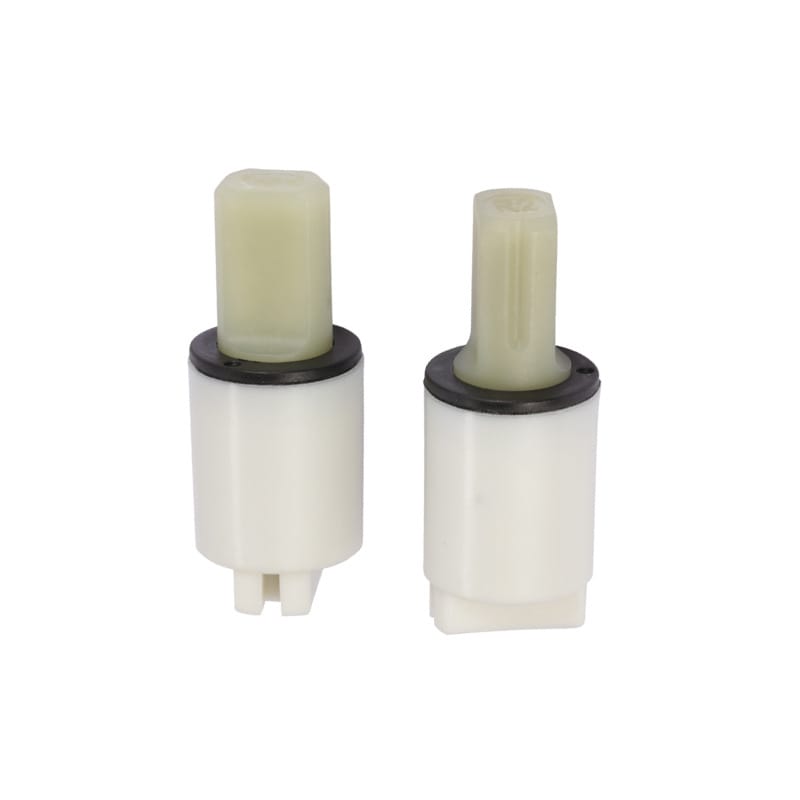
In the realm of product design, motion control is not merely an aesthetic feature; it is a critical engineering requirement that dictates product safety, longevity, and user perception. Whether you are an engineer designing a heavy-duty industrial cover or a procurement manager sourcing components for millions of consumer electronics, selecting the correct motion control hardware is paramount.
This comprehensive guide dives deep into the technical aspects of rotary dampers and friction hinges. We will explore torque calculation methodologies, analyze common failure modes such as oil leakage and torque decay, and explain why partnering with a specialized OEM manufacturer like Janhinge is the most effective strategy to mitigate supply chain and engineering risks. Discuss more on Whatsapp.
1. The Science of Selection: How to Choose the Right Rotary Damper
Selecting a rotary damper is a precise engineering task. A damper with insufficient torque will fail to slow the load, resulting in a slamming impact. Conversely, a damper with excessive torque will make the lid or door too stiff to close properly, frustrating the end-user.
1.1 Understanding One-Way vs. Two-Way Dampers
Before calculating torque, engineers must determine the required direction of damping:
•Two-Way Dampers: These provide resistance in both the clockwise and counter-clockwise directions. They are typically used in applications where controlled motion is required throughout the entire operational cycle, such as in certain types of monitor stands or heavy industrial doors.
•One-Way Dampers: These provide resistance in only one direction, allowing for free, unhindered movement in the opposite direction. This is the standard choice for applications like toilet seats, automotive glove boxes, and trash can lids, where the user needs to open the lid easily (no resistance) but requires a soft, controlled close (damping resistance).
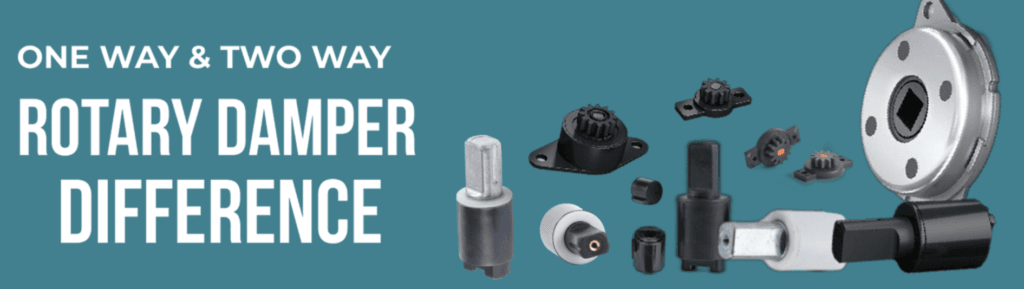
Figure 1: Comparison of internal mechanisms between one-way and two-way rotary dampers.
1.2 The Crucial Step: Torque Calculation for Engineers
The most critical factor in damper selection is matching the damper’s rated torque to the maximum load torque generated by your moving part. The fundamental formula used by mechanical engineers is:
T = W × L × cos(θ)
Where:
•T = Load Torque (usually expressed in N·m, kgf·cm, or N·cm)
•W = Weight of the moving part (in Newtons or kgf)
•L = Distance from the hinge pivot point to the center of gravity of the moving part (in meters or cm)
•θ (Theta) = The angle of the lid relative to horizontal (0° is fully horizontal/closed, 90° is fully vertical/open)
Why Angle Matters: The gravitational torque is not constant. It is zero when the lid is perfectly vertical (cos(90°) = 0) and reaches its absolute maximum when the lid is perfectly horizontal (cos(0°) = 1).
Engineering Best Practice: Always calculate your required torque based on the maximum load condition (usually when the lid is horizontal or near-horizontal).
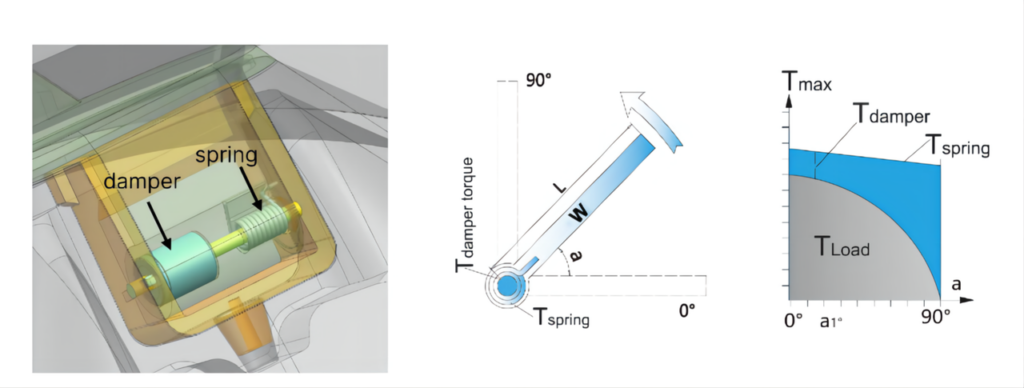
Figure 2: Engineering diagram illustrating the variables required for accurate torque calculation in a soft-close application.
1.3 Applying the Safety Factor
Real-world applications rarely match the perfection of mathematical models. Users might press down hard on a soft-close lid, wind or vibration might affect its movement, and the friction within the hinge will vary. Therefore, engineers must apply a safety factor to the calculated maximum load torque.
•Standard applications (e.g., trash cans, light cabinets): Multiply the calculated torque by 1.2 to 1.5.
•Heavy-duty or high-wear applications (e.g., industrial covers, public retail display shelves): Multiply the calculated torque by 1.5 to 2.0.
For example: If your calculated maximum load torque is 2.0 N·m, and it is a standard application, you should choose a damper with a rated torque between 2.4 N·m and 3.0 N·m.
2. Analyzing and Preventing Common Damper Failures
Even with perfect torque calculations, a poorly manufactured damper will fail in the field. Understanding the root causes of these failures is essential for procurement teams evaluating potential suppliers. Discuss more on Whatsapp.
2.1 The Nightmare of Oil Leakage
The most catastrophic failure mode for a rotary damper is oil leakage. Rotary dampers rely on high-viscosity silicone oil sealed within the housing. If the seal fails, the oil leaks out, completely destroying the damping function and potentially contaminating the final product.
Root Causes:
•Inferior O-ring materials that degrade over time or under temperature stress.
•Poor machining tolerances on the shaft or housing, creating microscopic gaps.
•Applying load to the rotating shaft in a thrust (axial) direction, which forces the seal open.
The Janhinge Solution: We utilize high-quality imported silicone oil and superior sealing O-rings. More importantly, every single damper undergoes a multi-stage, automated air pressure leak test before shipment. We do not rely on batch testing; 100% inspection ensures zero-leaking designs.
2.2 Unpredictable Torque Decay and Short Lifespans
Many low-cost suppliers provide datasheets promising a 50,000-cycle lifespan. However, in reality, the torque often decays sharply after just 10,000 cycles, leading to premature product failure.
Root Causes:
•Breakdown of the silicone oil viscosity due to poor chemical stability.
•Internal wear of plastic components (rotor or housing) due to improper material selection (e.g., using cheap ABS instead of high-grade POM or PC).
The Janhinge Solution: Our designs are validated through continuous, in-house lifecycle testing. We provide actual test reports demonstrating that torque retention remains above 85% even after 50,000 cycles.
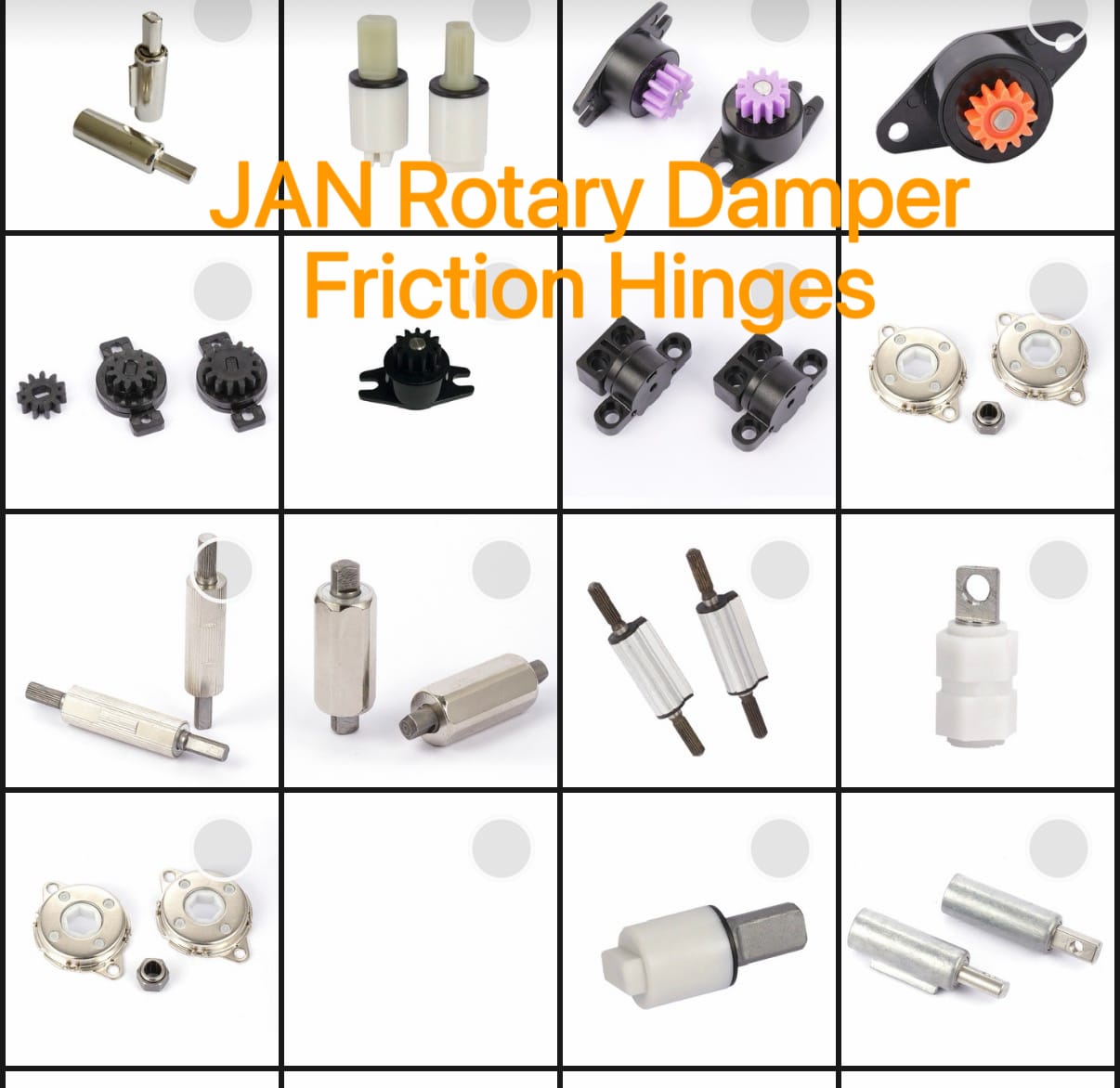
Figure 3: Janhinge offers a wide range of rotary dampers, all subjected to rigorous lifecycle and torque consistency testing.
3. Friction Hinges: Engineering the Perfect “Any-Angle Stop”
While rotary dampers control speed, friction hinges (position torque hinges) control position. They utilize internal friction to counteract gravity, allowing screens, lids, or support arms to remain at any angle without falling or springing back.
3.1 Material Selection and Structural Integrity
The performance of a friction hinge relies heavily on the materials used for its core components:
•The Shaft (Pin): Typically made of high-strength stainless steel or alloy steel, requiring precise heat treatment (quenching or hardening) to increase surface hardness and prevent severe wear during thousands of rotation cycles.
•Friction Plates/Blades: Often manufactured using high-speed CNC milling, precision stamping, or zinc alloy die-casting, depending on the required torque and complexity.
3.2 Critical Applications Demanding High Reliability
Friction hinges are non-negotiable components in industries where precision and stability are paramount:
•Medical & Healthcare: Diagnostic monitors, surgical lighting systems, and rehabilitation equipment require precise, repeatable positioning. A sagging monitor during surgery is unacceptable.
•Consumer Electronics: Laptops and foldable devices rely on miniature torque hinges to provide a stable, consistent screen angle and a premium tactile feel.
•Industrial Automation: Heavy machine covers and access panels require high-torque friction hinges to ensure safe, dampened opening and secure positioning for maintenance workers.
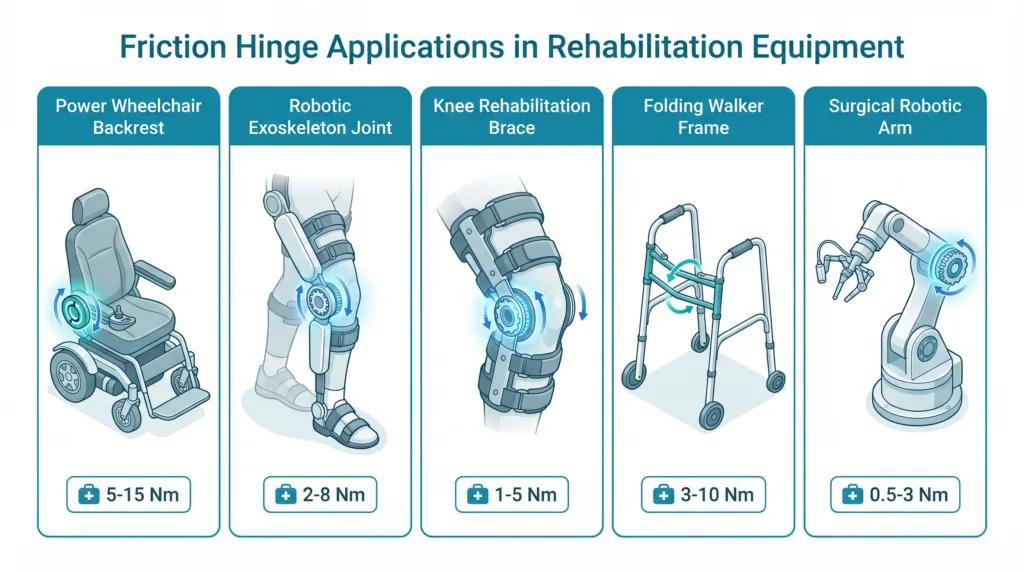
Figure 4: Friction hinges applied in medical rehabilitation equipment, requiring precise torque and extreme reliability.
4. The Strategic Advantage of Partnering with a Direct OEM Factory
For procurement managers and lead engineers, the supply chain is just as critical as the component design. Relying on trading companies or unverified suppliers introduces unacceptable risks regarding quality control, customization speed, and intellectual property protection.
Partnering directly with an established OEM/ODM manufacturer like Janhinge provides several strategic advantages:
4.1 Rapid Customization and Prototyping
Off-the-shelf dampers rarely fit perfectly into innovative new product designs. Janhinge’s dedicated engineering team provides custom design proposals, including 3D CAD models, within 7 days. By leveraging our extensive mold library and rapid prototyping capabilities, we deliver functional samples quickly, accelerating your Time-to-Market.
4.2 Vertical Integration and Quality Control
Janhinge operates with complete vertical integration. We develop our own molds, operate 20 injection molding machines and 16 CNC machines, and utilize automated assembly lines. This allows us to strictly control every step of the process, from raw material inspection to final torque testing, under ISO 9001/14001 and IATF 16949 certifications.
4.3 Total Cost of Ownership (TCO)
While you can always find a cheaper damper on the market, a lower unit price often hides a higher risk. A damper that costs $0.08 less but has a 3% defect rate can lead to a $50,000 product recall. Janhinge’s pricing reflects an uncompromising commitment to 100% automated testing. The extra cents per unit are your strongest insurance against mechanical failure and brand damage.
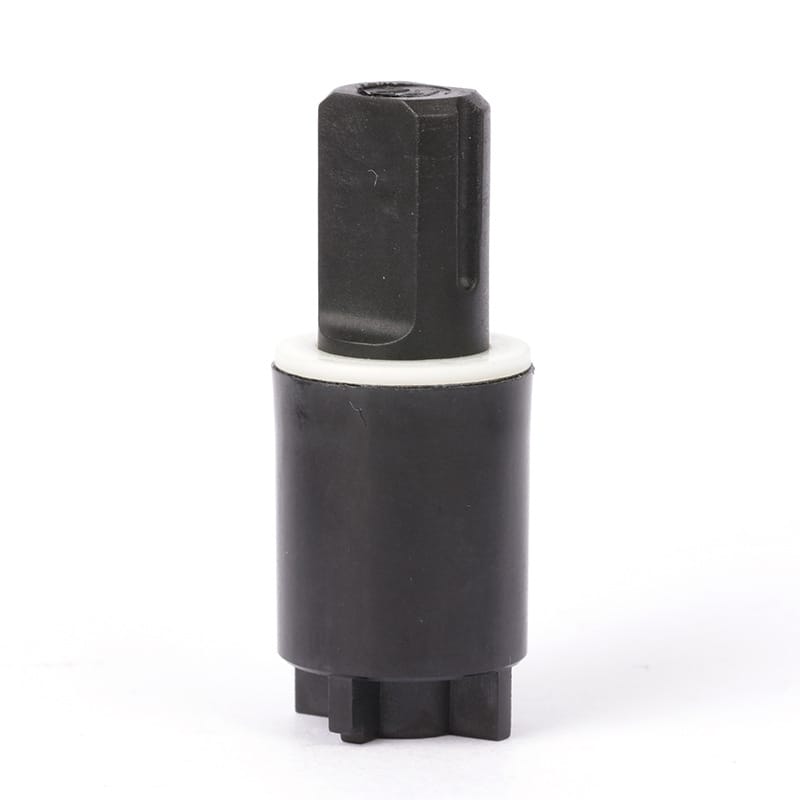
Figure 5: Upgrading from standard hinges to precision damping hinges significantly enhances product value and user safety.
5. Conclusion: Elevating Your Product’s Tactile Experience
The tactile experience of opening and closing a product is often the first physical interaction a user has with your brand. A smooth, silent soft-close or a rock-solid any-angle stop communicates quality, luxury, and engineering excellence.
Whether you are battling unpredictable torque decay, struggling with oil leaks, or facing slow customization from your current supplier, it is time to upgrade your motion control strategy.
Contact the Janhinge engineering team today to discuss your specific torque requirements, request a custom OEM solution, or obtain free samples for your next hardware project. Let us help you convert kinetic energy into a competitive advantage. Discuss more on Whatsapp.
To explore our full catalog of rotary dampers and friction hinges, visit www.janhinge.com.