
When we think of motion control, we often picture heavy industrial machinery or automotive interiors. However, some of the most critical applications for rotary dampers and friction hinges occur in environments where precision, delicacy, and protection are paramount.
From the polished wood of a grand piano to the glass shield of a laboratory analytical balance, a slamming lid can cause catastrophic damage. In these specialized sectors, motion control components are not just about user experience; they are essential safeguards for expensive, highly calibrated equipment.
In this technical guide, the engineering team at Janhinge explores the unique challenges and solutions for integrating motion control into musical instruments, precision laboratory equipment, and commercial vending machines.
1. Musical Instruments: The Piano Lid Soft-Close Mechanism
A grand piano or a high-end upright piano is a masterpiece of craftsmanship, often costing tens of thousands of dollars. The fallboard (the lid that covers the keys) is typically made of solid wood. If it falls unexpectedly, it can severely injure a pianist’s fingers and damage the delicate ivory or synthetic keys beneath.
1.1 The Mechanics of the Piano Slow-Close Device
To prevent this, piano manufacturers and restoration specialists integrate a piano lid soft close damper hinge. This mechanism utilizes a specialized rotary damper or a miniature hydraulic cylinder.
When the pianist releases the fallboard, gravity pulls it downward. The damper engages immediately, forcing high-viscosity silicone oil through a precision orifice. This fluid resistance counteracts gravity, transforming a dangerous free-fall into a slow, elegant, and silent descent that takes several seconds to complete.
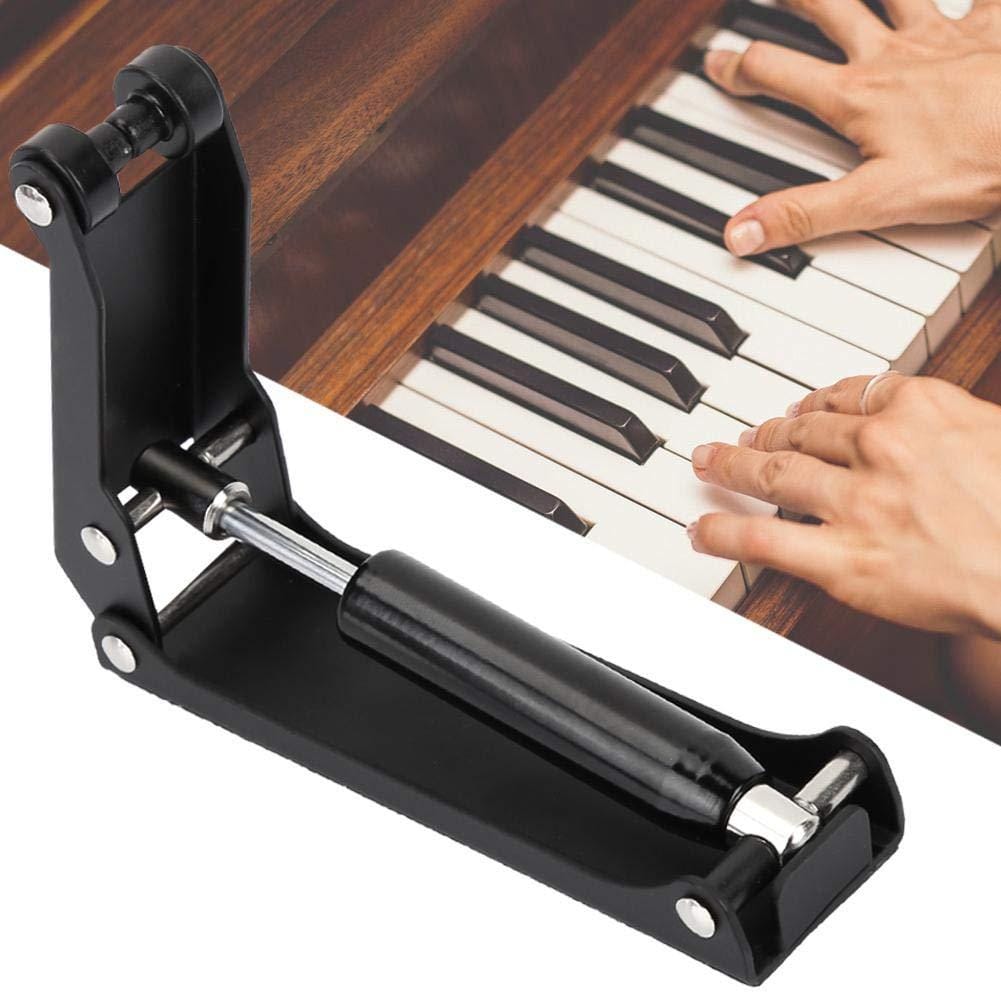

Figure 1: A slow-close damper mechanism installed on a piano fallboard, protecting both the instrument and the pianist’s hands.
1.2 Engineering for Acoustics and Aesthetics
Designing dampers for musical instruments requires two unique considerations:
1.Absolute Silence: The damper mechanism itself must operate in complete silence. Any clicking, whirring, or fluid “squelching” noises are unacceptable in an acoustic environment.
2.Aesthetic Integration: The damper must be visually unobtrusive. Janhinge engineers ultra-thin rotary dampers that can be concealed within the brass hinge hardware or mounted discreetly inside the piano cabinet.

Figure 2: Ultra-thin soft-fall mechanisms are designed to blend seamlessly with the piano’s traditional aesthetics.
2. Laboratory and Precision Instruments
In a laboratory setting, precision is everything. Analytical balances, centrifuges, and spectrophotometers are highly sensitive to vibration and air currents.
2.1 Analytical Balance Draft Shields
An analytical balance can measure mass down to a fraction of a milligram. These balances are enclosed in glass draft shields to prevent air currents from affecting the reading.
When a lab technician opens or closes the glass doors of the draft shield, the motion must be perfectly smooth. A laboratory equipment hinge damper ensures that the glass doors glide open and shut without jarring the instrument. A sudden slam could knock the balance out of calibration or shatter the glass shield.
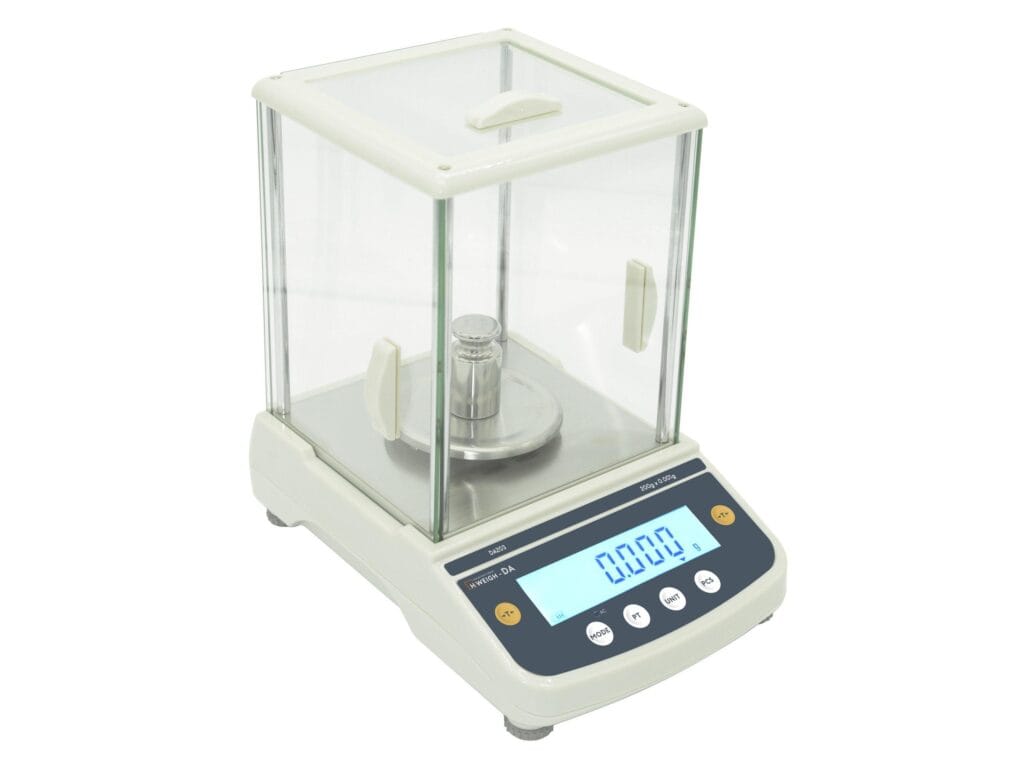

Figure 3: Precision analytical balances rely on smooth-gliding, damped hinges to protect sensitive measurement mechanisms from vibration.
2.2 Friction Hinges for Instrument Covers
Many diagnostic and testing instruments feature heavy protective covers. Technicians often need these covers to stay open at specific angles while they load samples or perform maintenance.
A precision instrument cover hinge torque mechanism (friction hinge) provides the necessary “any-angle stop” functionality. Janhinge manufactures these friction hinges using corrosion-resistant stainless steel and specialized polymers to ensure they do not shed particulate matter, maintaining the cleanliness required in laboratory and cleanroom environments.
3. Commercial Vending Machines: Rugged Reliability
While pianos and lab equipment require delicate handling, commercial vending machines demand rugged, abuse-resistant motion control.
3.1 The Delivery Flap Challenge
The delivery flap (the door where the customer retrieves their purchased item) is a high-stress component. Customers often push it open forcefully and let it snap shut. Without a damping mechanism, the heavy plastic or metal flap will slam violently against the machine chassis. Over time, this repeated impact will crack the flap, damage the hinge pins, and create a loud, unpleasant noise.
3.2 High-Torque Rotary Dampers
To solve this, manufacturers integrate a vending machine flap rotary damper. These are typically heavy-duty gear dampers or barrel dampers.
When the customer releases the flap, the damper absorbs the kinetic energy of the heavy door and the strong return spring. This ensures the flap closes securely (to prevent theft or vandalism) but softly enough to prevent structural damage.
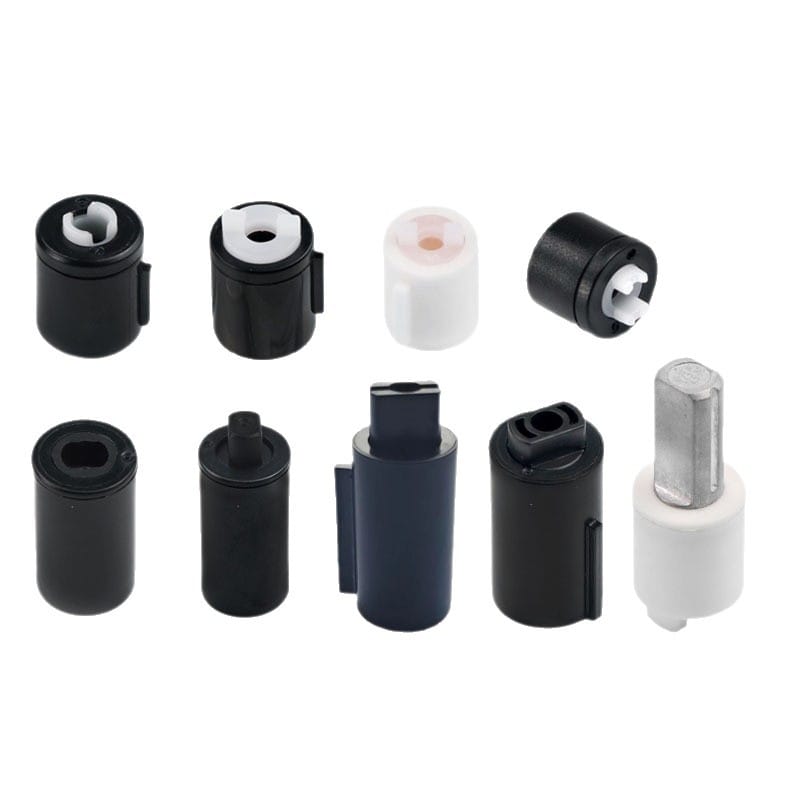

Figure 4: Heavy-duty rotary dampers are essential for controlling the rapid closure of vending machine delivery flaps.
4. Partnering with Janhinge for Specialized OEM Solutions
Whether you are protecting a $50,000 grand piano or engineering a rugged outdoor vending machine, off-the-shelf hinges are rarely sufficient. You need a motion control partner capable of custom engineering.
As a direct OEM factory, Janhinge offers:
•Custom Torque Profiling: We calculate the exact weight and lever arm of your lid or flap to engineer a damper that provides the perfect closing speed.
•Material Expertise: From acoustically silent plastics for musical instruments to heavy-duty zinc alloys for vending machines, we select the right materials for your specific environment.
•100% Quality Assurance: Every damper we produce undergoes automated torque and leak testing, ensuring zero defects reach your assembly line.
Contact the Janhinge engineering team today to discuss your specialized motion control requirements and request custom prototypes.
5. Frequently Asked Questions (FAQ)
Q1: Can a rotary damper be retrofitted onto an existing piano that doesn’t have a soft-close feature?
A: Yes. While many modern pianos have dampers built into the internal hinges, Janhinge also manufactures external, ultra-thin soft-fall devices that can be easily retrofitted onto the fallboard of older upright and grand pianos without modifying the woodwork.
Q2: Do friction hinges used in laboratories shed particles that could contaminate samples?
A: Standard hinges can generate metal dust through friction. However, for laboratory and cleanroom applications, we engineer our friction hinges using specialized self-lubricating polymers and high-grade stainless steel to eliminate particulate shedding and ensure a clean environment.
Q3: Why does a vending machine flap need a damper if it already has a strong return spring?
A: The strong return spring is necessary to snap the door shut quickly to prevent theft. However, without a damper, that strong spring causes a violent slam that will eventually break the plastic flap or the machine housing. The damper acts as a shock absorber, allowing the spring to close the door securely but softly.
Q4: What is the difference between a gear damper and a barrel damper?
A: A gear damper has a toothed gear on the rotating shaft and is typically driven by a rack or another gear; it is excellent for continuous 360-degree rotation. A barrel damper (or vane damper) is usually mounted directly on the hinge pivot point and provides damping over a limited angle (e.g., 110 degrees), making it ideal for lids and flaps.
Q5: How do I specify the correct damper for a heavy laboratory instrument cover?
A: You need to calculate the maximum torque, which occurs when the cover is horizontal. The formula is Torque = Weight × Distance to Center of Gravity. We recommend sending your CAD files to the Janhinge engineering team; we will perform the calculations and provide a custom-tuned analytical balance lid damper OEM sample for your testing.