
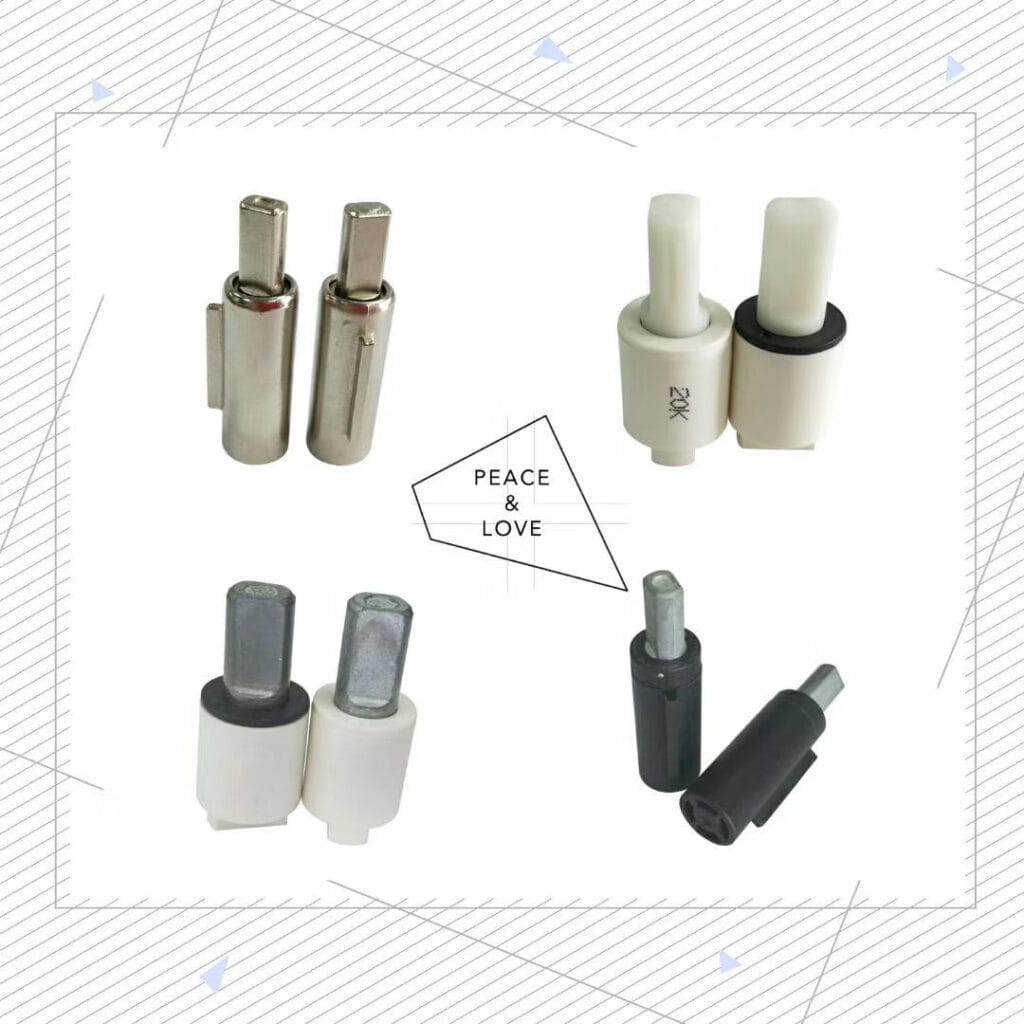
In the highly competitive sanitary ware industry, the difference between a standard bathroom fixture and a premium luxury product often comes down to acoustics and tactile feedback. A toilet seat that slams shut not only creates an unpleasant noise but also risks cracking the ceramic bowl and poses a pinching hazard to children.
Today, a toilet seat soft-close dampers hinge soft close mechanism is a mandatory feature for any reputable bathroom brand. However, for procurement managers and product engineers, sourcing these critical components involves navigating complex technical specifications, rigorous lifecycle testing, and strict international environmental regulations.
This guide, developed by the engineering and export teams at Janhinge, explores the technical intricacies of sanitary ware dampers and outlines strategies for building a resilient rotary damper global supply chain. Discuss more on Whatsapp.
1. The Engineering Behind the Soft-Close Toilet Seat
A soft-close toilet seat relies on a specialized rotary damper integrated into the hinge assembly. Unlike industrial dampers that absorb massive impacts, sanitary dampers must provide a smooth, controlled descent over a specific timeframe.
1.1 Damping Torque and Closing Time
The most critical toilet seat soft close damper technical specification is the damping torque. This torque must be perfectly matched to the weight and center of gravity of the specific toilet seat model.
•Insufficient Torque: The seat will fall too quickly, resulting in a slam.
•Excessive Torque: The seat will close agonizingly slowly or stall before reaching the bowl, forcing the user to push it down manually (which can damage the damper).
Engineering Best Practice: Specify a target closing time (e.g., 4 to 7 seconds from a 70-degree open angle). At Janhinge, we engineer custom torque profiles to accommodate everything from lightweight polypropylene (PP) seats to heavy thermoset resin (UF) or solid wood models.
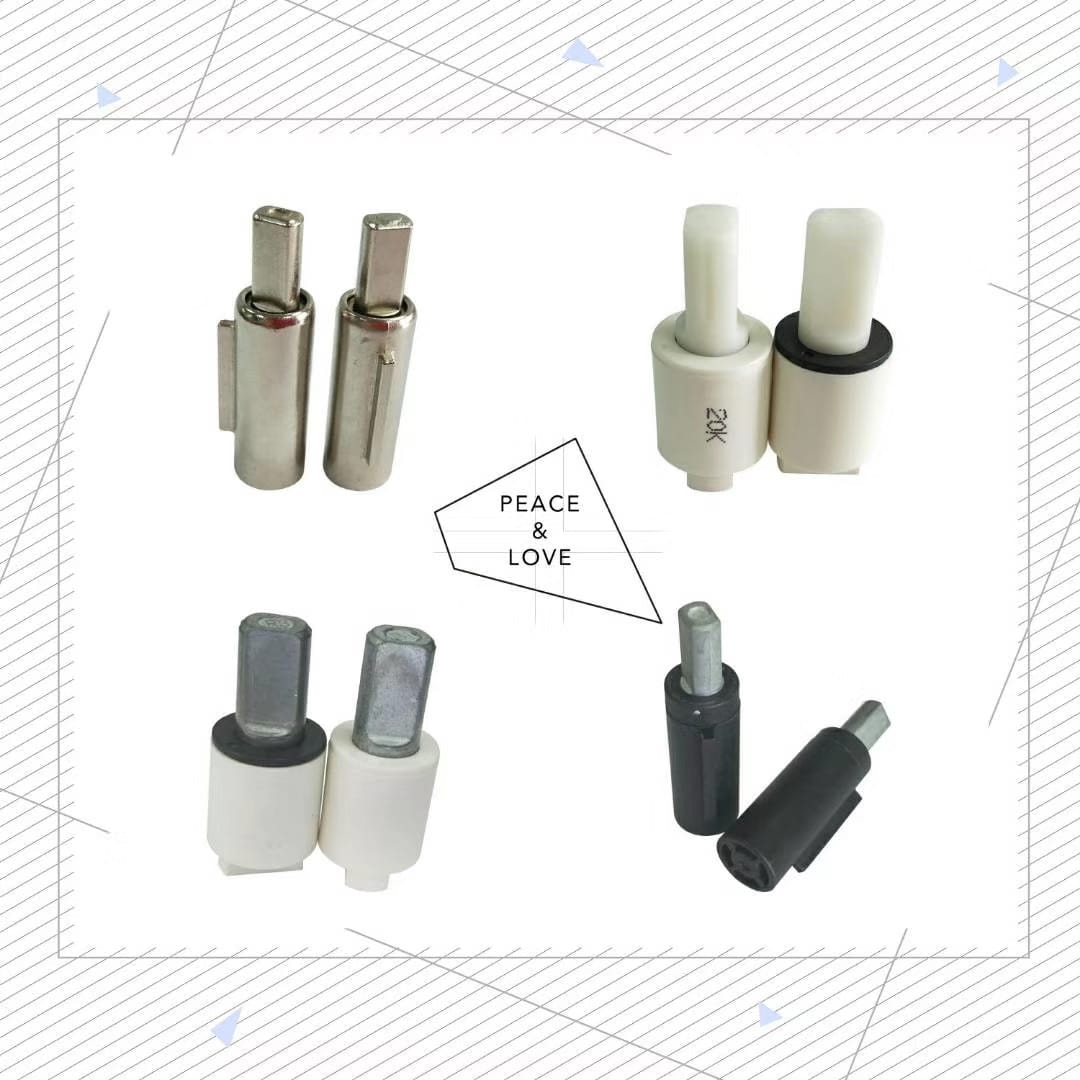
Figure 1: The internal mechanism of a rotary damper controlling the slow descent of a toilet seat.
1.2 Temperature Stability in the Bathroom Environment
Bathrooms experience extreme temperature fluctuations. In a cold winter morning, standard silicone oil thickens, causing the seat to close too slowly. After a hot shower, the oil thins, potentially leading to a faster, less controlled descent.
Premium bathroom sanitary ware damper hinge manufacturers utilize specialized, temperature-stable silicone fluids. These advanced fluids maintain a consistent viscosity, ensuring the closing time remains within a strict tolerance (e.g., ±1.5 seconds) across a temperature range of 5°C to 40°C (41°F to 104°F).
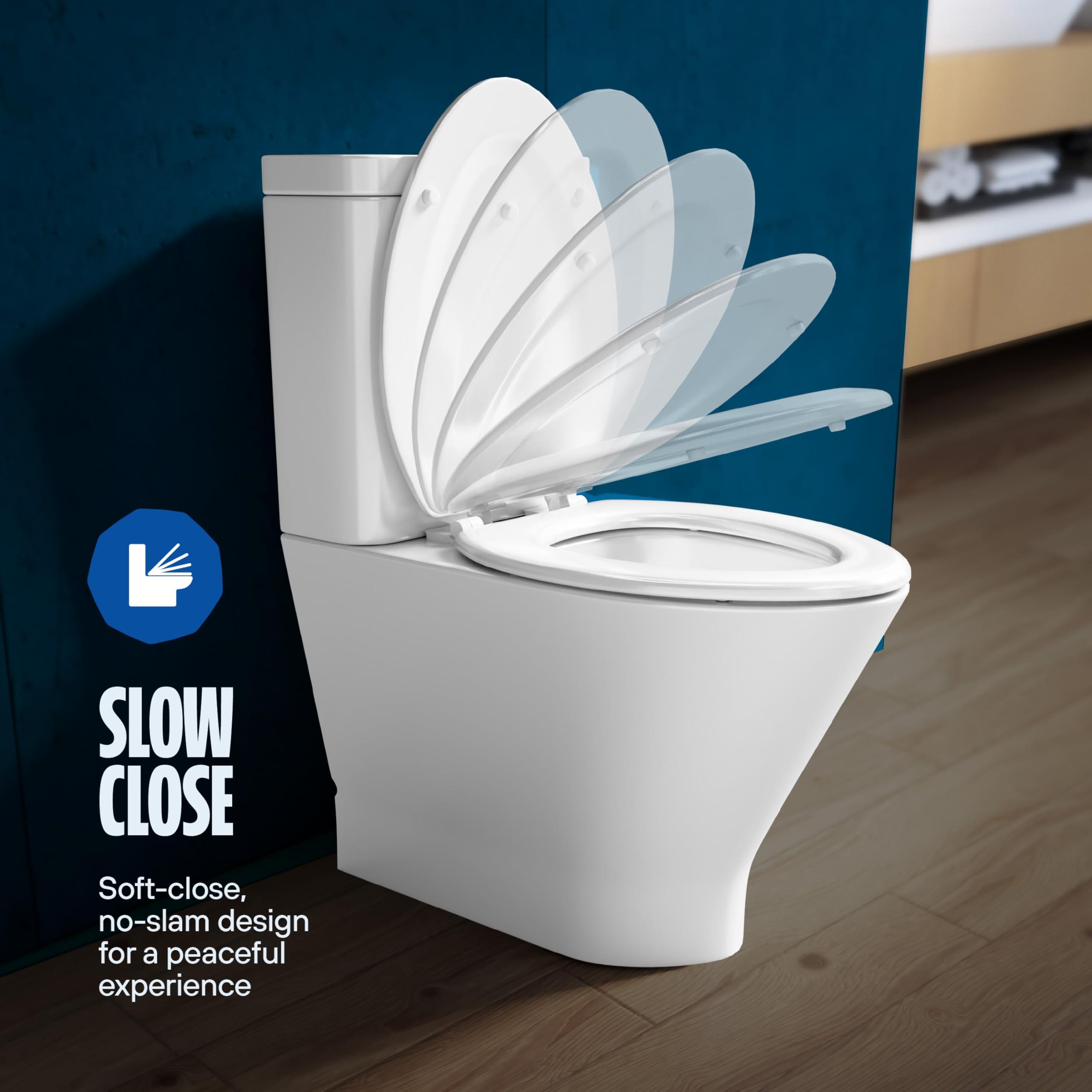
Figure 2: Premium toilet seats rely on temperature-stable rotary dampers for a consistent luxury experience.
2. Quality Standards: Lifecycle Endurance and Leak Prevention
A toilet seat is one of the most frequently used items in a household. The damper must withstand years of repeated operation without failing.
2.1 The 100,000-Cycle Benchmark
Industry standards typically require a minimum of 50,000 operational cycles. However, for premium OEM brands, this is insufficient. Janhinge conducts rigorous automated lifecycle testing, ensuring our sanitary dampers exceed 100,000 cycles with less than a 15% drop in damping force. This guarantees a decade or more of reliable, silent use.
2.2 Zero-Leakage Sealing Technology
The integrity of the damper relies entirely on its ability to permanently retain the silicone oil. Leakage ruins the soft-close function and creates an unhygienic mess.
To prevent this, Janhinge utilizes high-quality housing materials like Polyacetal (POM) or Polybutylene Terephthalate (PBT). More importantly, we employ ultrasonic welding and proprietary O-ring configurations to hermetically seal the damper. Every single unit undergoes a 100% automated air-pressure leak test before leaving our factory.
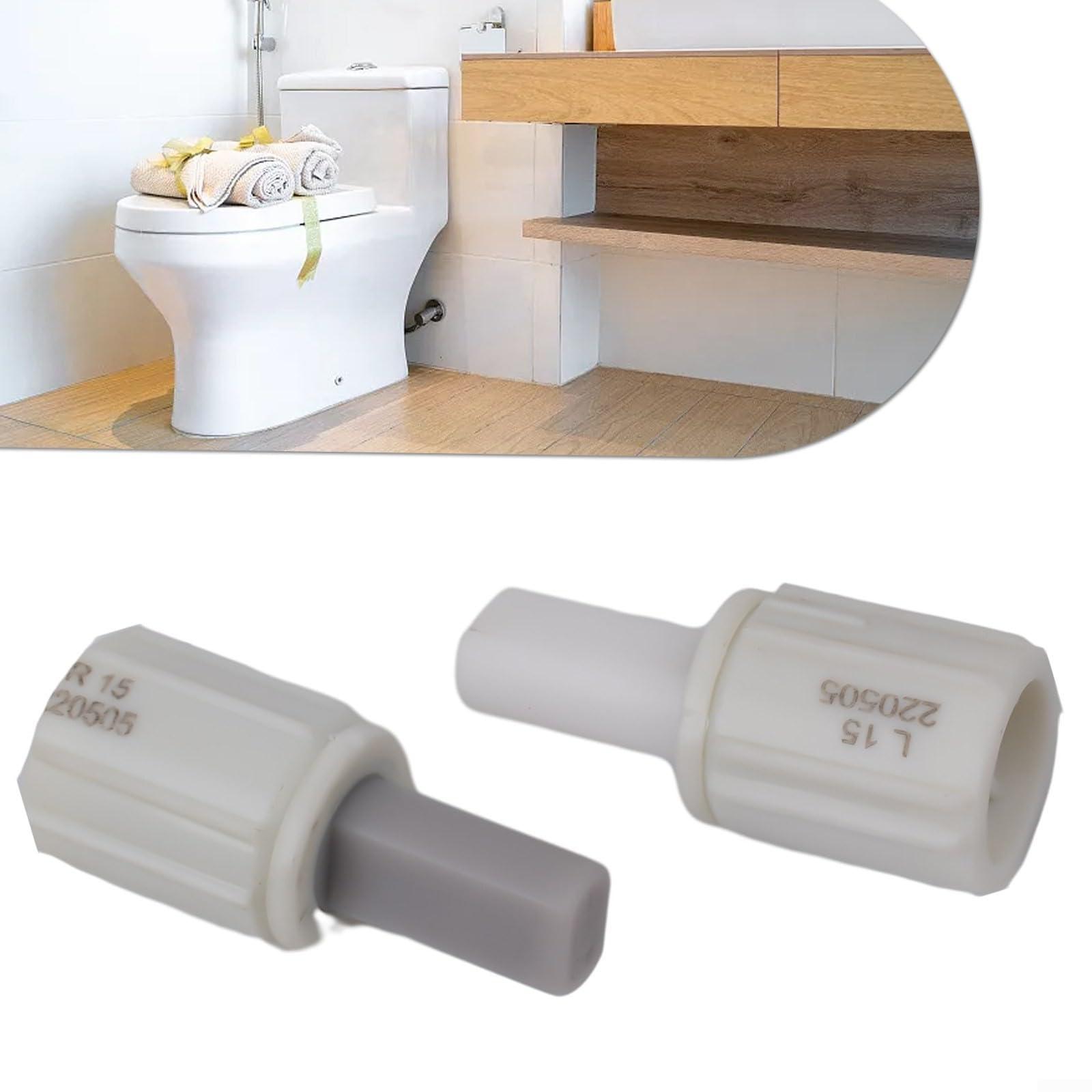
Figure 3: High-quality POM plastic rotary dampers designed specifically for sanitary ware applications.
3. Navigating the Global Supply Chain and Export Compliance
For global sanitary ware brands, sourcing components from China offers significant cost advantages and scalability. However, procurement teams must ensure their suppliers comply with strict international regulations.
3.1 REACH and RoHS Certification
When exporting to Europe or North America, environmental compliance is non-negotiable. A damper hinge REACH RoHS certification guarantees that the product does not contain hazardous substances (such as lead, cadmium, or certain phthalates) that could harm consumers or the environment.
Janhinge is fully committed to sustainable manufacturing. All our rotary dampers and friction hinges are manufactured using eco-friendly materials and certified silicone oils, ensuring seamless customs clearance and compliance with EU REACH and RoHS directives. Discuss more on Whatsapp.
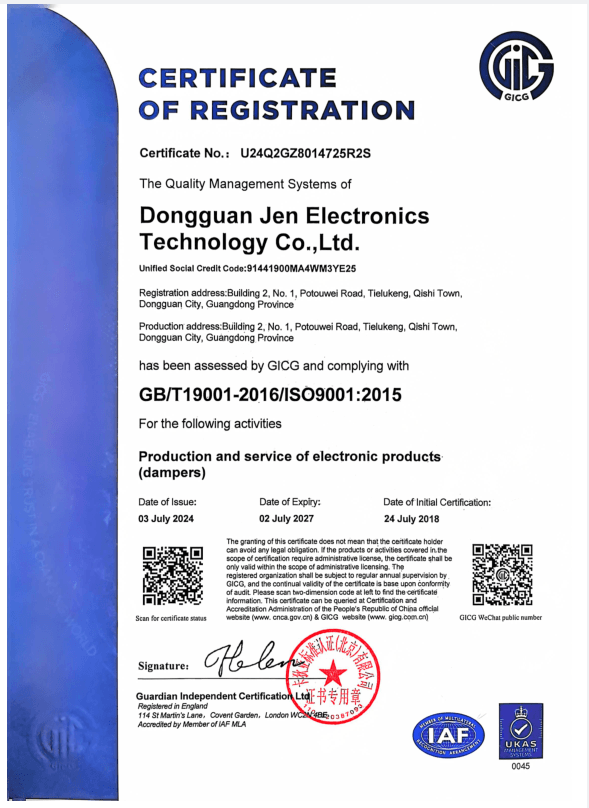
Figure 4: Compliance with international environmental standards like REACH and RoHS is essential for global export.
3.2 Building a Resilient OEM Partnership
Relying on trading companies introduces risks regarding quality control and intellectual property. Partnering directly with a specialized rotary damper factory like Janhinge provides:
•Direct Engineering Support: Co-develop custom hinge designs directly with our R&D team.
•Scalable Production: Our highly automated injection molding and assembly lines can fulfill bulk orders of hundreds of thousands of units with consistent quality.
•Supply Chain Transparency: We welcome factory audits and provide comprehensive testing reports for every batch shipped.
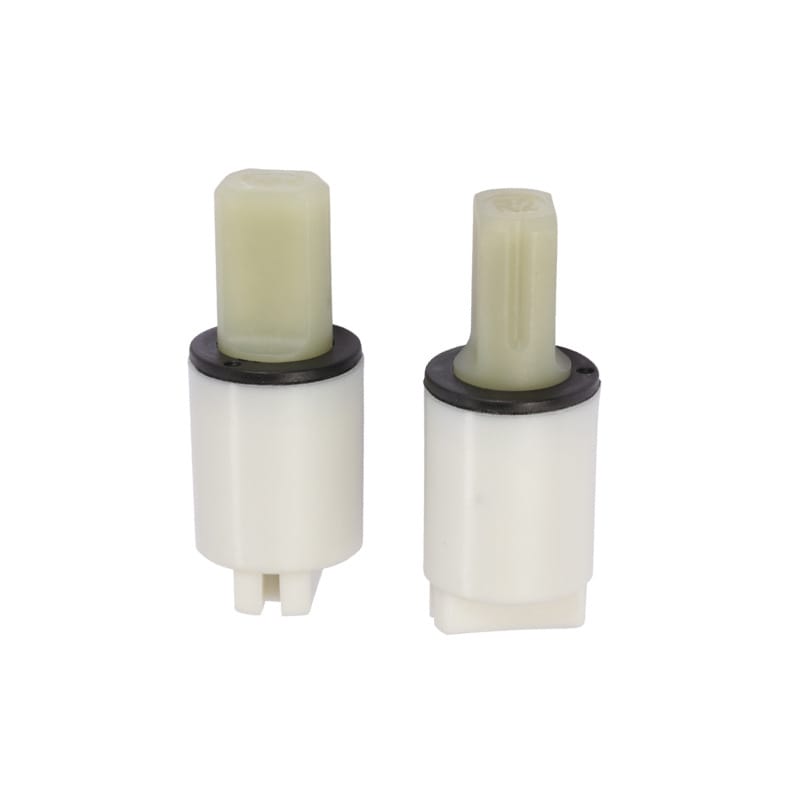
Figure 5: Zinc alloy shaft rotary dampers provide superior durability for heavy-duty sanitary applications.
4. Conclusion
The soft-close toilet seat is a perfect example of how precision micro-engineering enhances daily life. By understanding the critical specifications of torque, temperature stability, and lifecycle endurance, sanitary ware brands can elevate their product offerings.
Furthermore, by partnering with a certified, direct OEM manufacturer, procurement teams can secure a reliable, compliant, and cost-effective global supply chain.
Contact Janhinge today to request technical samples, review our REACH/RoHS certifications, or discuss a custom damper solution for your next sanitary ware project. Discuss more on Whatsapp.
5. Frequently Asked Questions (FAQ)
Q1: How do I choose the right damper torque for a new toilet seat design?
A: The required torque depends on the weight, length, and center of gravity of the seat and cover. We recommend sending your CAD drawings or physical prototypes to the Janhinge engineering team. We will calculate the exact torque required and provide custom-tuned samples for your evaluation.
Q2: What happens if a user forces a soft-close toilet seat down manually?
A: Forcing a standard damper closed can cause a pressure spike that ruptures the internal seals, leading to oil leakage and failure. Janhinge engineers specific “overload protection” features into our premium sanitary dampers, allowing the fluid to bypass safely if excessive manual force is applied, protecting the mechanism.
Q3: Are your sanitary dampers compliant with European environmental regulations?
A: Yes. All Janhinge rotary dampers and friction hinges are manufactured using materials and silicone oils that are fully compliant with EU RoHS (Restriction of Hazardous Substances) and REACH regulations. We can provide the necessary certification documents for your import/export compliance.
Q4: Can you manufacture dampers for heavy thermoset (UF) toilet seats?
A: Absolutely. Thermoset (Urea-Formaldehyde) seats are significantly heavier than standard PP (Polypropylene) seats. We manufacture high-torque rotary dampers, often utilizing reinforced zinc alloy shafts, specifically designed to handle the increased kinetic energy of UF seats while maintaining a 4-7 second closing time.
Q5: What is your production capacity and lead time for bulk sanitary damper orders?
A: Janhinge operates a highly automated manufacturing facility. For standard sanitary damper models, we can fulfill bulk orders (e.g., 50,000+ pieces) within 10 to 15 days. For custom OEM designs requiring new tooling, prototype delivery is typically 20 days, followed by rapid scaling to mass production.